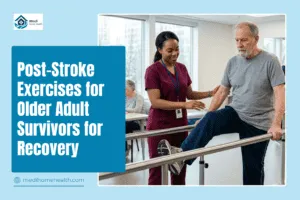
Each year, hundreds of thousands of adults in the United States experience strokes. The level of physical impairment depends on where the stroke occurred in the brain and how severe…
Read more

Older adults often understand that quitting smoking is one of the most important steps they can take to improve their health. Even so, breaking a habit that has lasted for…
Read more

Each year, a large number of older adults undergo surgical procedures. While many operations are successful, surgery isn’t always the safest choice for every senior. Age, overall health, and recovery…
Read more

A dementia diagnosis can make everyday tasks much harder for older adults and increase the chances of accidents at home. As memory and judgment decline, living alone can become unsafe.…
Read more

Many seniors enjoy healthy and active retirement years, while others deal with challenges that affect their daily lives. Even when difficulties arise, older adults can continue living fulfilling lives with…
Read more
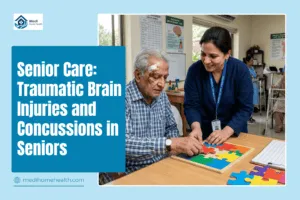
A traumatic brain injury (TBI) is a serious head injury that can affect a person’s ability to remember, think clearly, learn new information, and understand what is happening around them.…
Read more

Good ear care becomes even more important as people grow older. Looking after your senior loved one’s hearing can lower the risk of infections, hearing loss, and other ear-related problems.…
Read more

Keeping busy each day gives older adults both physical movement and mental stimulation, which can support memory, overall wellness, and emotional health. Encouraging your senior loved one to participate in…
Read more

Growing older brings changes throughout the body, and the brain is often one of the first areas where seniors notice differences. Cognitive health is influenced by genetics, overall wellness, and…
Read more