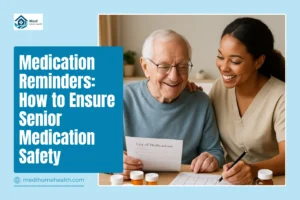
As people age, they often develop health conditions that require one or more prescription or over-the-counter medicines. Managing several medications can create opportunities for mistakes. Family members can use a…
Read more
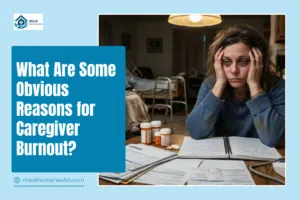
Caregiver burnout develops when the ongoing demands of care cause emotional, physical, and mental exhaustion. It can change a person’s attitude from patient and supportive to frustrated, withdrawn, or uninterested.…
Read more

Limited mobility doesn’t mean seniors have to give up enjoyable and meaningful activities. Many hobbies can be adapted for sitting or resting and still provide mental, emotional, and social benefits.…
Read more

When caring for an older loved one, skin care can easily take a back seat to concerns such as nutrition, preventing falls, or making sure medications are taken correctly. However,…
Read more

Emphysema is a common lung condition among older adults, making prevention an important part of healthy aging. Although the disease develops gradually, ignoring early risks can lead to serious complications…
Read more

The biggest difference between 24-hour home care and live-in care depends on what happens overnight. With 24-hour care, caregivers work in rotating shifts so someone is awake and available at…
Read more

Modern technology gives older adults more ways to stay connected and avoid loneliness through social media. Every day, more seniors are discovering how online platforms help them keep in touch…
Read more

If you’ve never dealt with chronic inflammation yourself, you may not realize how much it can affect your senior loved one’s health. Ongoing inflammation can trigger a variety of symptoms,…
Read more

If you’re helping care for a 70-year-old woman, you likely want her to stay healthy, active, and independent for as long as possible. Regular physical activity is one of the…
Read more