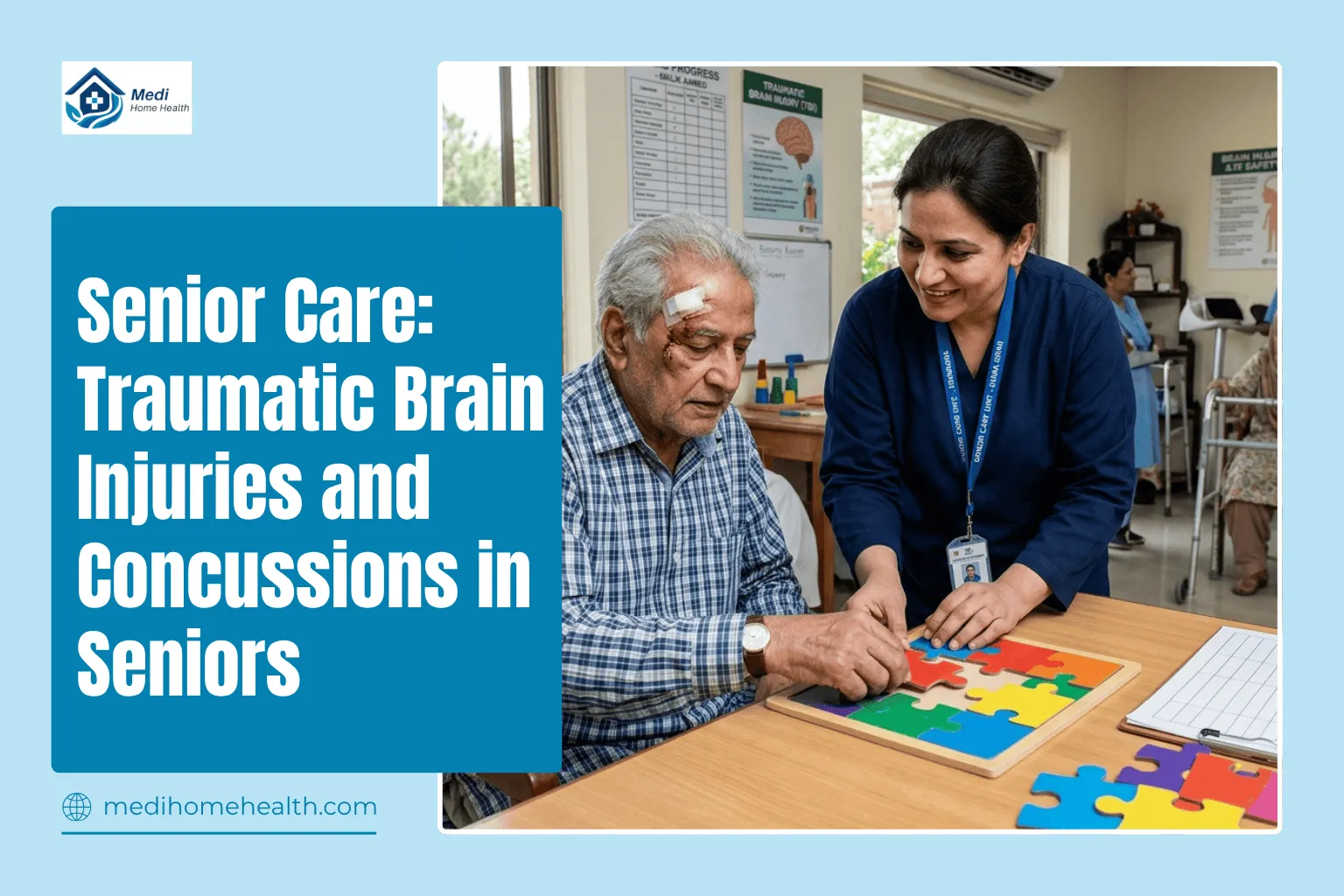
A traumatic brain injury (TBI) is a serious head injury that can affect a person’s ability to remember, think clearly, learn new information, and understand what is happening around them. In older adults, these injuries are often harder to identify because many of the warning signs resemble common age-related memory or thinking problems.
What Happens to the Brain After an Injury?
When a senior receives a hard blow to the head, there may be no visible cut or bruise. Even so, significant damage can happen inside the skull. The brain shifts suddenly away from the impact, then moves back and strikes the inside of the skull where the blow occurred. If the impact is strong, this back-and-forth motion may happen more than once.
This sudden movement can damage nerve cells and tear tiny blood vessels inside the brain. As those vessels leak blood, fluid begins to build up, causing brain tissue and fluid-filled spaces to swell. The added pressure places more stress on the injured brain. Studies have also shown that, within a few hours after a TBI, harmful proteins such as amyloid and tau start collecting in the brain, leading to additional injury to brain cells.
Although the brain slowly recovers after a traumatic injury, some of the effects may continue for a long time. Damaged blood vessels can remain blocked because of clots or lingering injury. Harmful protein deposits may continue building for months, causing ongoing damage that could increase the risk of developing symptoms linked to dementia.
Seniors living with dementia can continue enjoying a better quality of life with the support of trained professional caregivers. Age-related health conditions can make it harder for older adults to remain safe at home, but Loudoun County, VA live-in care professionals are available around the clock to provide dependable assistance. Whether your loved one is recovering from a stroke or living with dementia, the experienced caregivers at MediHomeHealth can provide the support needed to enhance his or her quality of life.
Signs and Symptoms of Traumatic Brain Injury
Falls are one of the most common reasons adults age 75 and older experience traumatic brain injuries. A TBI may be mild, moderate, or severe, though many cases are classified as mild because they aren’t immediately life threatening. Symptoms of a mild TBI, often called a concussion, may appear right after the injury or may not develop until several days or even weeks later. Watch for any of the following signs:
- Loss of consciousness immediately after the injury
- Trouble remembering how the injury happened
- Sudden confusion or feeling disoriented
- Worsening confusion in seniors who already have dementia
- Difficulty speaking clearly or making sense
- Problems with balance or coordination
- Changes in hearing or vision
Older adults recovering from a head injury often need extra help with everyday activities. If your senior loved one has been diagnosed with a serious condition and requires assistance with bathing, grooming, transportation, meal preparation, or other daily tasks, turn to MediHomeHealth, a trusted provider of homecare services. We also provide specialized support for seniors living with Alzheimer’s disease, dementia, and Parkinson’s disease.
Diagnosing and Treating Brain Injuries in Older Adults
Doctors often diagnose a traumatic brain injury without loss of consciousness by asking seniors questions about the accident and checking their memory of recent events, such as the current date or the name of the current president. Imaging tests, including CT scans and MRIs, can reveal bleeding, swelling, or other injuries inside the brain. Depending on how serious the injury is, treatment may include:
- A brief hospital stay for close observation
- Recovery and monitoring at home
- Outpatient rehabilitation to rebuild lost abilities and daily skills
No matter how minor a head injury may seem, it should never be ignored. Even if you only believe your loved one may have hit his or her head during a fall or another accident, schedule a medical evaluation if any symptoms suggest a possible traumatic brain injury.
Having a trained caregiver nearby after a head injury can provide reassurance for both seniors and their families. Every older adult has different care needs, so the type of assistance required will vary. Families can rely on MediHomeHealth to create personalized in-home care plans that match each senior’s unique situation. Our holistic Balanced Care Method encourages healthy habits such as eating nutritious meals, staying physically active, and maintaining meaningful social connections. We also offer our Cognitive Therapeutics Method, which provides mentally engaging activities that support brain health and may help delay the progression of dementia. To learn more about our dependable in-home care services, call MediHomeHealth today at +1 (253) 565-2365.
More Blogs You May Like

Ethical and Legal Considerations in Senior Home Care
Navigating home-based senior care is not only about comfort and service quality, but also about knowing the legal...
Read More
What to Consider When Hiring a Private Caregiver?
For many families, this situation comes up often: when an older adult begins to need more support than...
Read More
Can Someone Be Forced into a Care Home?
When an older family member starts finding daily tasks difficult, relatives often become concerned about their safety and...
Read More