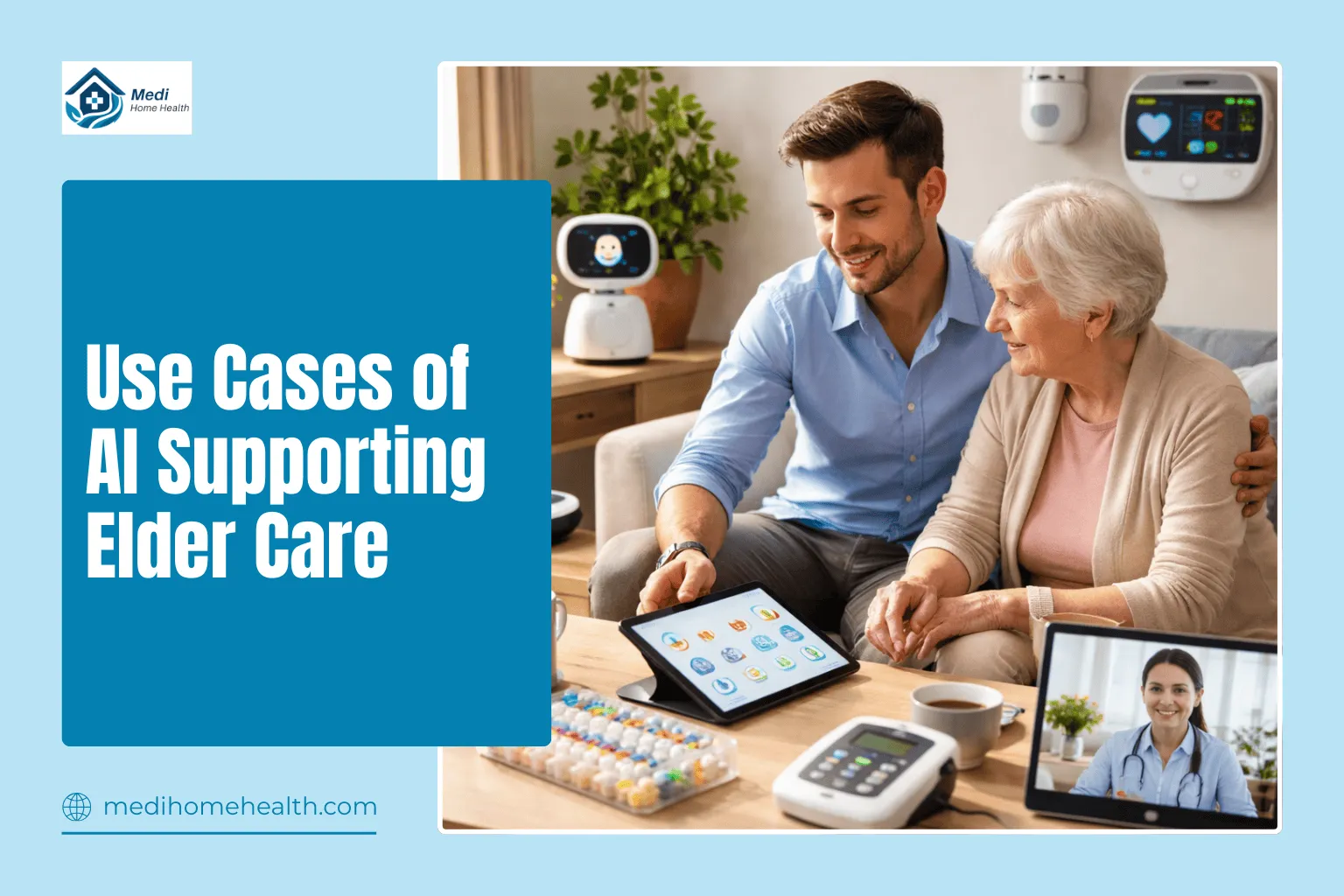
Artificial intelligence (AI) is now part of many everyday systems, and in healthcare, senior care is one of the areas seeing steady use. As people live longer and care needs increase, AI offers practical tools that help older adults stay safe, assist caregivers, and support daily wellbeing. From detecting falls to supporting memory, AI helps make aging more secure, informed, and connected. In this article, we review five practical examples of how AI is being used to support seniors and how these tools are applied in care settings. We also explain how platforms such as SOAPsuds support this approach in real-world care environments.
1. Fall Awareness and Risk Reduction
Falls remain one of the most common risks for older adults and are a major cause of injury and hospital stays. AI-based fall systems rely on sensors, cameras, and pattern analysis to recognize falls as they happen. Some tools also review movement patterns, balance, or walking style to identify risks early and reduce the chance of a fall.
Use case example:
In an assisted living community, motion sensors placed in resident rooms notify staff when unusual movement or a fall is detected, allowing quicker assistance and improved resident safety.
Benefits:
- Faster alerts to care staff
- Lower injury-related hospital visits
- Early identification of fall risks
2. Ongoing Health Tracking and Alerts
AI can review information from wearables, smart home tools, and health records to follow changes in vital signs, sleep habits, and daily activity. When patterns shift from what is normal, AI systems can flag possible concerns such as dehydration, infection, or breathing issues before they become serious.
Use case example:
A senior uses a wearable device that monitors heart rate and oxygen levels. When readings fall outside expected ranges, the system sends an alert to a caregiver or family member for follow-up.
Benefits:
- Earlier notice of health changes
- Fewer emergency care visits
- Hands-off daily monitoring
3. Medication Reminders and Tracking
Many older adults manage several prescriptions, which increases the risk of missed doses or errors. AI-based medication tools and smart dispensers help manage schedules by sending reminders, tracking usage, and notifying caregivers when medications are skipped.
Use case example:
A smart speaker reminds a senior when it is time to take medication and listens for confirmation. If there is no response, a caregiver receives a message to check in.
Benefits:
- Better consistency with medications
- Lower risk of medication-related problems
- Greater independence at home
4. Mental Stimulation and Social Interaction
AI tools also support cognitive health and emotional wellbeing. Interactive programs such as memory games, voice assistants, and guided activities help keep the mind active. These tools are especially helpful for seniors experiencing memory loss, dementia, or limited social contact.
Use case example:
An AI-based companion app chats with older adults, shares music or stories, and offers simple memory activities to encourage daily engagement.
Benefits:
- Support for mental activity
- Reduced feelings of isolation
- Personalized daily interactions
5. Care Planning and Record Support
AI is helping care teams reduce paperwork by assisting with care planning, daily documentation, and trend tracking. These tools allow staff to focus more on people rather than forms while still maintaining accurate records and compliance.
Benefits:
- Less time spent on paperwork
- More consistent care records
- Stronger audit readiness
Where SOPAsuds Fits
SOPAsuds is designed around structured clinical note-taking and it supports many of the daily documentation needs found in senior care settings. It is a SOAP-based documentation tool that helps care staff record observations, assessments, and actions clearly and consistently across shifts and care teams.
SOPAsuds supports clinical documentation workflows by:
- Enabling structured SOAP notes for daily care and clinical updates
- Helping staff record changes in condition in real time
- Reducing missed or incomplete documentation
- Creating consistent notes that are easier to review and audit
The platform also helps standardize communication between caregivers, nurses, and clinical supervisors through clear, organized records that reflect ongoing care decisions.
SOPAsuds AI Medical Scribe allows care teams in senior care facilities to document accurately, reduce ambiguity in notes, and support safer, more informed care through reliable clinical records.
What’s Ahead for AI in Senior Care
As technology continues to improve, AI tools in senior care will become more common and easier to use. Expected developments include:
- AI tools that recognize emotional changes
- Early warning systems for chronic conditions
- Voice-based tools for seniors with limited tech experience
Better coordination between medical and social care services
Even with advanced tools, success will depend on how well technology supports the human side of care: understanding, patience, and connection.
Final Thoughts
AI is not meant to replace caregivers. Its role is to assist them. From reducing fall risks to improving care planning, AI is helping open new options in senior care. With thoughtful use, older adults can remain safer, more comfortable, and more engaged in daily life.
There are platforms that help care providers move forward by combining practical technology with people-focused care values, bringing better support to today’s senior communities.
More Blogs You May Like
Supporting Seniors in Maintaining Hobbies and Passions Actively
In-home care allows older adults to continue enjoying their favorite hobbies by offering practical support, dependable transportation, helpful...
Read More
Senior Care: Safe and Fun Summer Activities for Older Adults
Summer gives seniors a good opportunity to enjoy outdoor time and stay connected with relatives, friends, and neighbors....
Read More
Sleep and Aging: Improving Senior Sleep Health
Quality sleep is important for both physical and mental health at every stage of life. In older adults,...
Read More