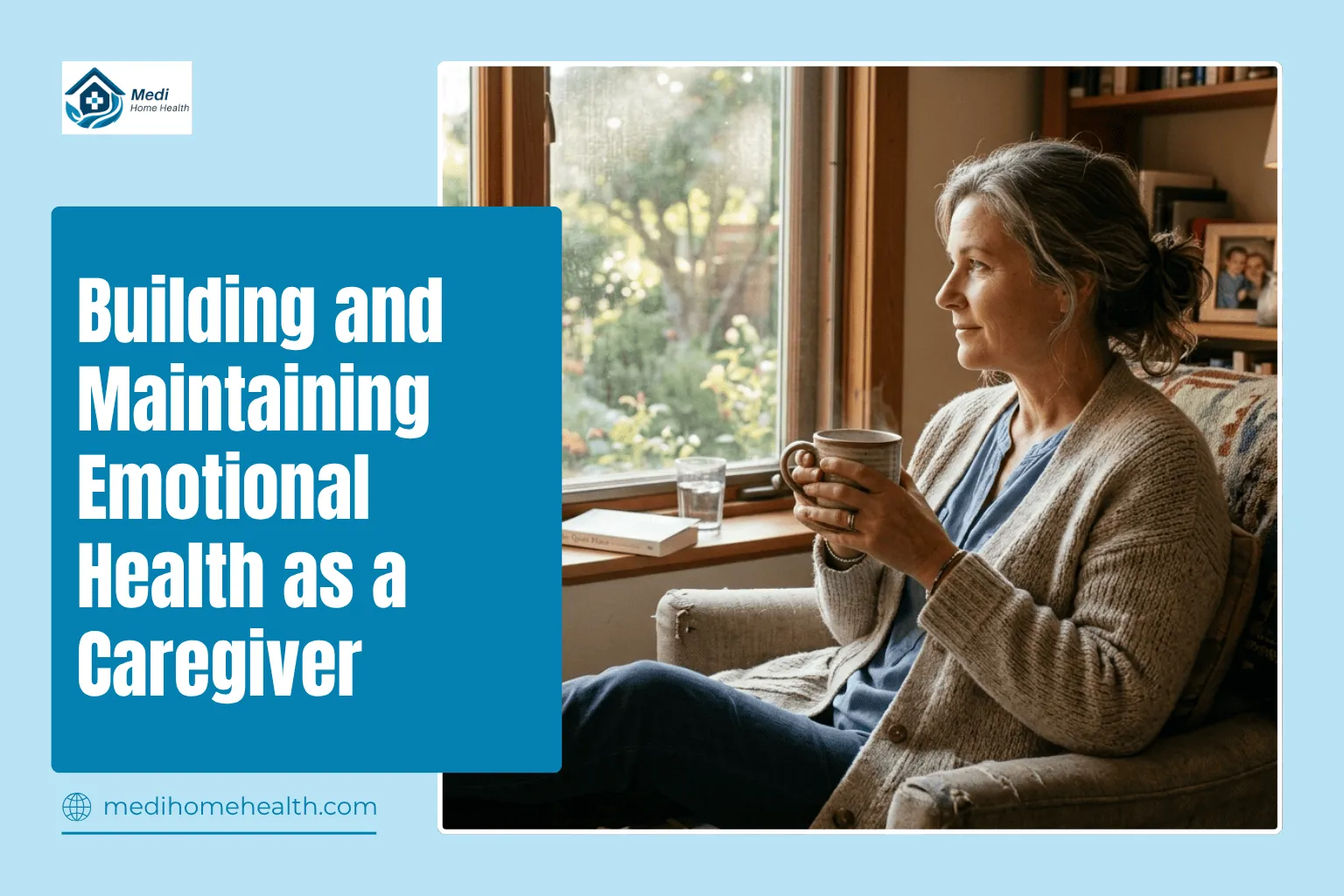
Strong emotional support can make caregiving more manageable and less draining. Your support circle does not need to include many people, but it should consist of individuals you can depend on. Having encouraging, understanding, and dependable people around you can reduce feelings of stress and help you maintain a more positive outlook. Below are several sources of emotional support that caregivers can use and the advantages they provide.
1. Make Time for Personal Interests
Setting aside time for yourself away from your older family member is important because it can ease stress and reduce feelings such as frustration or bitterness. One of the best ways to find emotional balance is by pursuing activities you enjoy. Exploring new interests or continuing existing ones can introduce you to people who share similar passions and contribute positively to your wellbeing. Whether you participate in a sports league, attend fitness classes, learn a new dance style, or take art lessons, hobbies can provide meaningful emotional connections and a welcome break from caregiving duties.
2. Show Consideration Toward Family Members
If caregiving responsibilities are shared among siblings or relatives, approach those relationships with patience and a willingness to listen. Being considerate of other people’s opinions can strengthen family bonds and improve communication. Maintaining a respectful attitude often encourages loved ones to keep you involved in conversations, family chats, and important decisions. On the other hand, focusing on criticism or frequently pointing out mistakes may create distance and increase feelings of isolation.
Providing care for an aging loved one can be difficult for families without professional caregiving experience, but support is available. Family care aides can rely on MediHomeHealth in Loudoun County for additional help. We offer dependable live-in and respite care services as well as specialized support for seniors living with Alzheimer’s disease, dementia, stroke recovery needs, and Parkinson’s disease.
3. Express Your Needs
Family caregiving can be demanding, and many caregivers spend years helping others without receiving much recognition. When you keep your emotions to yourself, the effort and dedication you provide may go unnoticed. Your relatives may not realize that you need encouragement, appreciation, or emotional reassurance unless you communicate those needs. Instead, they may assume you are handling everything comfortably and do not require acknowledgment or support from those around you.
For many households, supporting an elderly loved one can become difficult to manage alone. Thankfully, professional assistance is available when needed. Experienced home care aides can provide quality support on a flexible schedule. From helping with mobility and daily exercise to offering transportation for medical appointments and social outings, professional care can help older adults maintain their independence and quality of life.
4. Connect with Other Caregivers
Meeting regularly with people who understand the realities of caregiving can be an excellent source of encouragement and guidance. Consider asking your loved one’s healthcare team about caregiver support groups in your area. These groups are designed to create a welcoming environment where care aides can openly discuss their experiences and concerns without fear of criticism. Along with emotional encouragement, participants often exchange practical advice that can make everyday caregiving responsibilities easier. For added convenience, many support groups now offer virtual meetings through online platforms and video calls.
5. Stay Socially Connected
When friends or relatives invite you to social events, make an effort to participate whenever possible. Attending gatherings gives you a chance to spend time with people outside of your caregiving role and build meaningful personal connections.
Social interaction is one of the most effective ways for caregivers to manage stress and reduce the risk of emotional exhaustion. During these occasions, try to set caregiving concerns aside for a while. Focus instead on enjoying the event, engaging in conversations, and making the most of the experience.Care aides also need opportunities to rest and focus on their own health. If caring for an older family member has become overwhelming, respite care may provide the break you need. Families throughout Loudoun County and Virginia can turn to MediHomeHealth for dependable support. One of our professional caregivers can assist your loved one at home while you rest, work, complete errands, or take time away. To learn more about our in-home care services, call us today at +1 (253) 565-2365.
More Blogs You May Like

Holiday Care Tips for Family Caregivers
The holiday period brings many moments people look forward to, from catching up with relatives and friends to...
Read More
Common Causes of Caregiver Burnout in Home Care
Caregiver burnout develops when the ongoing demands of care cause emotional, physical, and mental exhaustion. It can change...
Read More
Helpful Exercises for Seniors Recovering from a Stroke
Each year, hundreds of thousands of adults in the United States experience strokes. The level of physical impairment...
Read More