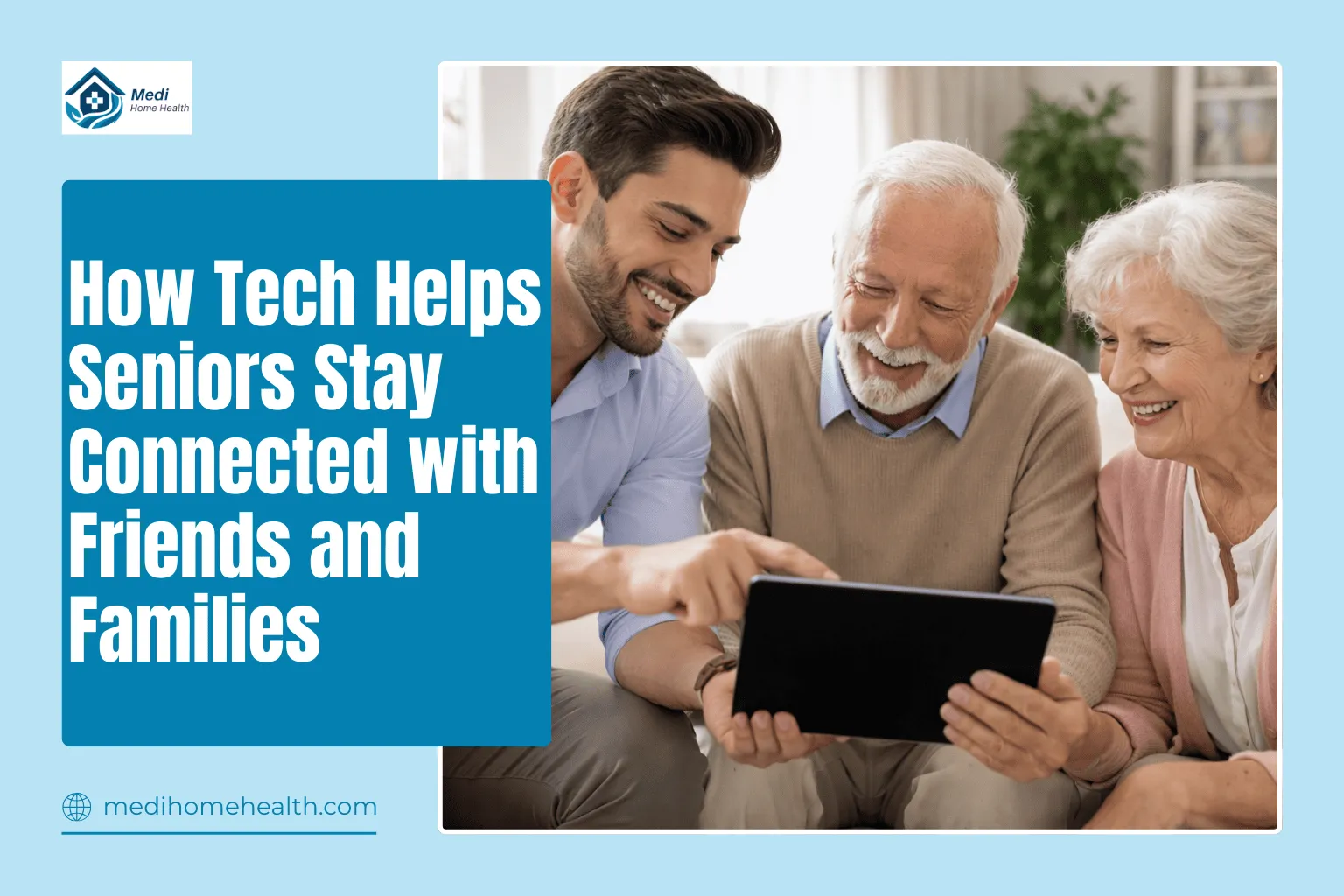
In the current digital era, technology plays a big part in helping seniors stay in touch, especially for those living in assisted care communities. Closing the digital gap helps older adults stay connected to family, friends, and what’s happening around them. Online tools create chances for conversation, brain engagement, and emotional comfort. Still, many seniors hesitate to use new devices because the learning curve can feel overwhelming.
Assisted living settings can support this shift by offering guidance, training, and access to devices. With the right help, residents can feel confident using technology and discover how it can support their day-to-day life.
Recognizing the Digital Gap
The difference in technology use between seniors and younger people has many layers. A major reason is that some seniors simply never had computers or smartphones in their daily routine. Surveys show that a noticeable share of adults 65+ either rarely go online or never have.
Concerns about privacy, scams, and “breaking something” on a device add to this hesitation. Many older adults worry they will tap the wrong button or lose important information. Calm guidance and real support can reduce these worries and build trust.
Physical challenges including weaker eyesight, reduced hand strength, or slower movement can also make devices harder to manage. Traditional tech doesn’t always consider these needs, making use frustrating. Customized tools can make learning smoother and less tiring.
Even with obstacles, many seniors express interest in learning because they want to stay connected with grandchildren, long-distance family, or active groups online. Encouraging this interest with patience and a supportive learning environment helps build momentum.
Choosing Elder-Friendly Devices and Digital Tools
Picking the right device is a key step. Simple, easy-to-use gadgets make early experiences less stressful. For example, tablets with clear visuals, large icons, and minimal menus offer a friendlier introduction than laptops. Features such as adjustable font sizes, contrast settings, and voice controls help users with sight or mobility issues.
Voice-controlled assistants like Google Assistant or Alexa let seniors interact without navigating screens. These devices can handle simple tasks like checking the weather, sending a message, or calling someone hands-free.
There are also tech options designed just for seniors. Some TV-based systems allow video calls, picture sharing, and appointment reminders through the remote they already use. This removes the fear of learning completely new systems and makes digital communication feel familiar.
Wearables like smartwatches can track heart rhythm, detect falls, and send alerts to caregivers or family. These tools can support healthcare routines and add peace of mind. Devices should feel comfortable, simple to wear, and not overloaded with unnecessary features to ensure real use.
Building Skills and Confidence Through Support
Training makes a huge difference in reducing fear and confusion. Step-by-step sessions that move at a relaxed pace help residents feel respected. Working one-on-one allows each person to learn what matters most to them, whether it’s texting or joining a video call.
Peer support is often successful because seniors may feel more relaxed learning from someone their own age who has gone through the same process. It also builds friendships and removes feelings of pressure.
Connecting lessons to real interests like recipes, puzzles, faith groups, or music makes learning enjoyable. If someone sees how a tool improves their favorite hobby, they are more likely to use it regularly.
Input from learners can guide future training. Asking residents what feels confusing or what they enjoyed helps staff adjust instruction. Programs should grow based on what residents actually need rather than a generic checklist.
Building Social Bonds Through Online Interaction
Online communication keeps families close even when miles apart. Video call apps such as FaceTime, Zoom, or WhatsApp make face-to-face conversations possible without physical travel.
Social platforms can also help reduce loneliness. Facebook groups or community pages can give seniors a place to share photos, comment, and stay updated. With safe guidance, they can explore at their own speed and learn how to avoid scams or spam.
Instant messaging apps create casual, everyday contact. Group chats where family members post news and pictures help older adults feel present in moments they may have missed.
There are also private online communities designed only for older adults. These spaces offer discussion groups, friendships, and shared interest boards. Care staff can introduce residents to options that suit their personality, whether they enjoy hobbies, conversation, or support groups.
Using Technology to Support Health and Lifestyle
Digital healthcare options make medical care easier. Telehealth systems allow residents to speak to doctors on video instead of arranging transport for every visit. This saves time and keeps routines predictable.
Health wearables track important signs like blood pressure or heart rhythm, and send medication reminders or emergency alerts. Staff can help connect these devices to healthcare providers when needed.
Apps for mental wellness can help with relaxation or brain training. There are simple programs for breathing exercises, memory tasks, or attention games that help maintain cognitive strength and stress relief.
Simple scheduling apps help with remembering appointments, medication, and social plans. These tools encourage independence while giving families and caregivers more peace of mind.
Keeping Older Adults Connected
Normalizing technology as part of everyday routines builds confidence. With access to tools, patient instruction, and ongoing support, seniors can learn at any age. When the barriers are reduced, technology becomes a bridge instead of an obstacle.
MediHomeHealth supports residents as they explore digital resources that bring comfort and connection. Our team offers help, training, and device guidance to strengthen relationships, enhance daily living, and support personal independence. Reach out to learn how we combine human support with digital assistance to improve the senior living experience.
More Blogs You May Like

How to Choose an In-Home Care Agency for Loved Ones?
Many family caregivers try to manage all of a loved one’s care on their own, but this approach...
Read More
Why is Elderly Dental Care in Assisted Living Important?
Dental care plays an important role in senior health, yet it is often given little attention. As people...
Read More
Common Myths about Senior Mental Health That Need to Be Corrected
Today's older adults have lived through decades of growing awareness about mental health. People now understand depression, anxiety,...
Read More