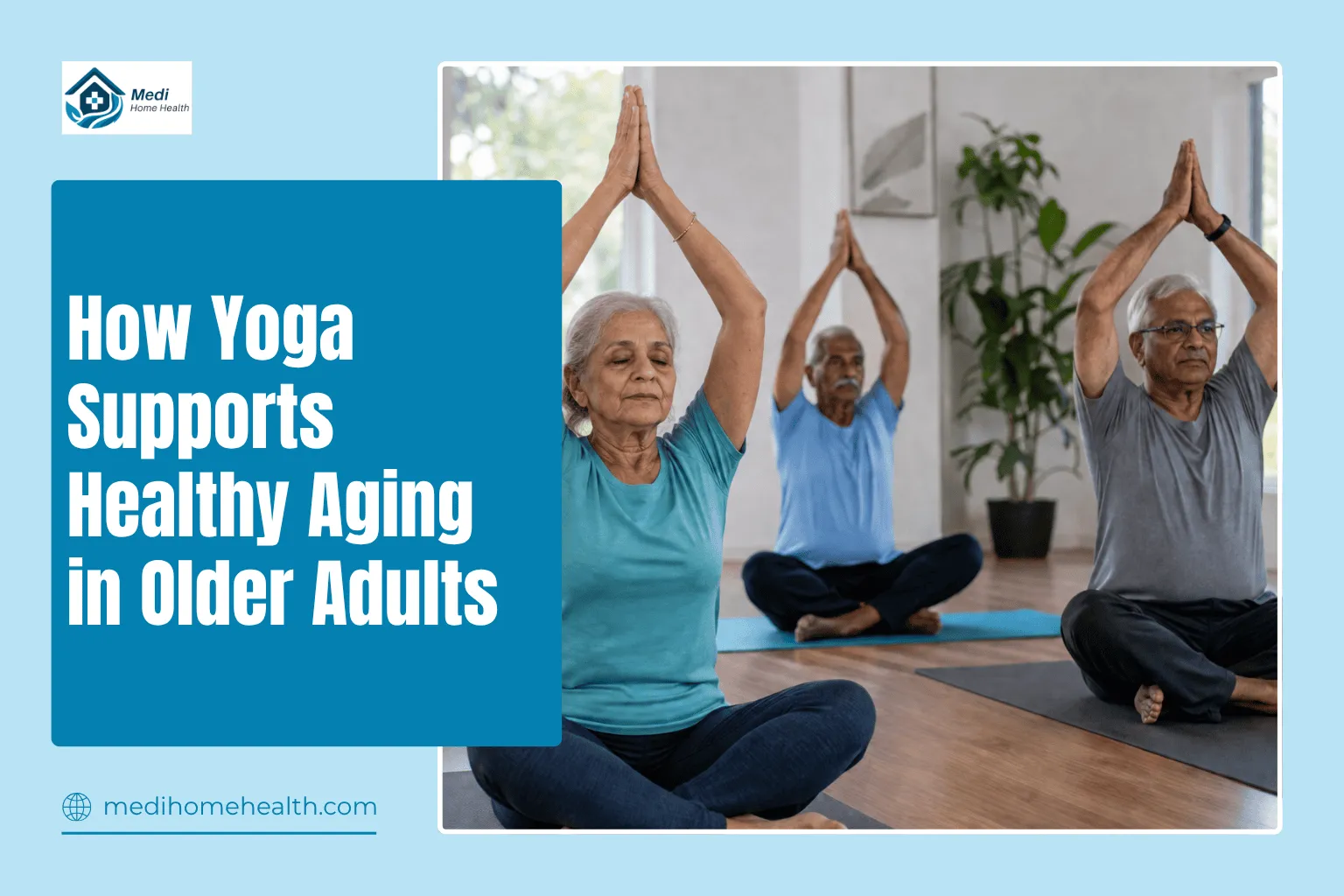
As people move into later life, it can be easy to become less active than before. Retirement often brings more free time, and many people look forward to slowing down and taking life at an easier pace. For older adults, daily routines may become calmer and less demanding.
While this can be enjoyable, spending too much time sitting still may create health concerns. Joints can become stiff, muscles may weaken, and mental sharpness can also decline. Because of this, many seniors look for ways to stay active. Along with walking or gardening, yoga is becoming more popular with older adults as a gentle way to support long-term health.
The benefits are becoming clearer every year. Yoga has shown itself to be an effective way to stay mobile, active, and well during the later stages of life.
Why Choose Yoga?
Yoga offers more than many standard forms of exercise.
It is a full-body practice made up of stretches, movements, and poses that began centuries ago in India and grew from early meditation traditions. Although it first developed as part of spiritual practice, helping people improve focus and inner awareness, it has long been known to offer many physical benefits as well.
For generations, people have shared stories about yoga helping them feel healthier, calmer, and more balanced.
Today, these benefits are supported by research. Studies have found that regular yoga practice can improve health in several ways, many of which may be especially helpful for older adults.
Whether or not someone is interested in the spiritual side of yoga, it can still provide practical advantages such as:
1. Better Mobility
Unlike high-impact activities such as running or cycling, yoga promotes movement in a slow and controlled way. This lowers the chance of injury and may help manage joint problems such as arthritis. Some people notice clear improvements in movement after regular practice.
2. Lower Stress and Better Focus
Yoga was originally linked with meditation. Many poses include steady breathing, concentration, and reduced distractions. People often finish a session feeling calmer, lighter, and more relaxed. It may also improve sleep quality.
3. Healthier Breathing and Circulation
Through breath control and movement, yoga can support heart health and improve blood flow. Deep breathing exercises may also help the lungs work more efficiently. Both the heart and lungs can benefit over time.
4. Stronger Balance and Core Muscles
Falls are a major cause of injury in later life. Yoga places a strong focus on posture, stability, and strengthening the midsection. This can help older adults feel steadier and more confident when moving around.
5. Support for Brain Health
All of these benefits may also help the mind. Relaxation can improve concentration and memory. Better circulation and reduced stress may lower certain health risks linked to ageing. Yoga may also be useful for some people recovering after past health issues.
Easy Yoga Poses for Older Adults
Now that we have looked at how yoga may support physical and mental health, where should you begin? Classes are often the best way to learn, but many people also start at home by following beginner videos online. All you need is a quiet area, a comfortable mat, and some time to yourself.
Try starting with these poses and build from there.
Mountain Pose
Do not let its simple look fool you. Mountain Pose, also known as “tadasana,” is a key yoga position. It is often used at the start and end of movements, and on its own can improve posture, balance, and breathing.
Sphinx Pose
This pose gives extra attention to the back, helping strengthen the spine and improve posture. It also opens the chest, shoulders, and lungs.
Tree Pose
A step beyond tadasana, Tree Pose helps build leg and core strength while improving balance and body awareness. It stretches the legs and may also ease discomfort linked to flat feet or sciatica.
Bird Dog Pose
This is a more active movement that focuses strongly on balance and core control. It also benefits the arms and legs. Move slowly and keep your breathing steady throughout.
Child’s Pose
Like Mountain Pose, Child’s Pose is often used as a resting position between harder movements. It gently stretches the hips, legs, and ankles while helping the body and mind relax. This allows you to prepare for the next pose without fully stopping the session.
Downward Dog
This position works both the upper and lower body together, helping balance while providing a stretch for many muscle groups.
Warrior II Pose
Named after a powerful figure from Hindu tradition, Warrior II gives a deep stretch to the legs, hips, and groin. Regular practice may also help build stamina and support digestion.
Triangle Pose
Triangle Pose can strengthen the thighs and hips while supporting the knees and ankles. It is also thought to help digestion and ease some symptoms linked to menopause.
Protection Against Frailty
It is worth remembering that yoga can benefit people of every age and fitness level. It can also be a helpful activity for caregivers and busy professionals who want to bring more calm and balance into their routine.At MediHomeHealth, we help families find the right support to remain healthy and comfortable at home. Contact us today to learn more about our home care services.
More Blogs You May Like

Recognizing the Signs of Heat Stress in Aging Adults
Summer offers time outdoors and moments with family, but for older adults, high temperatures can create serious health...
Read More
How In-Home Care Enhances Quality of Life
Receiving support at home brings comfort, familiarity, and personal help, letting you keep your independence while getting the...
Read More
Tech for Seniors in Digital Age to Stay Socially Connected
In the current digital era, technology plays a big part in helping seniors stay in touch, especially for...
Read More