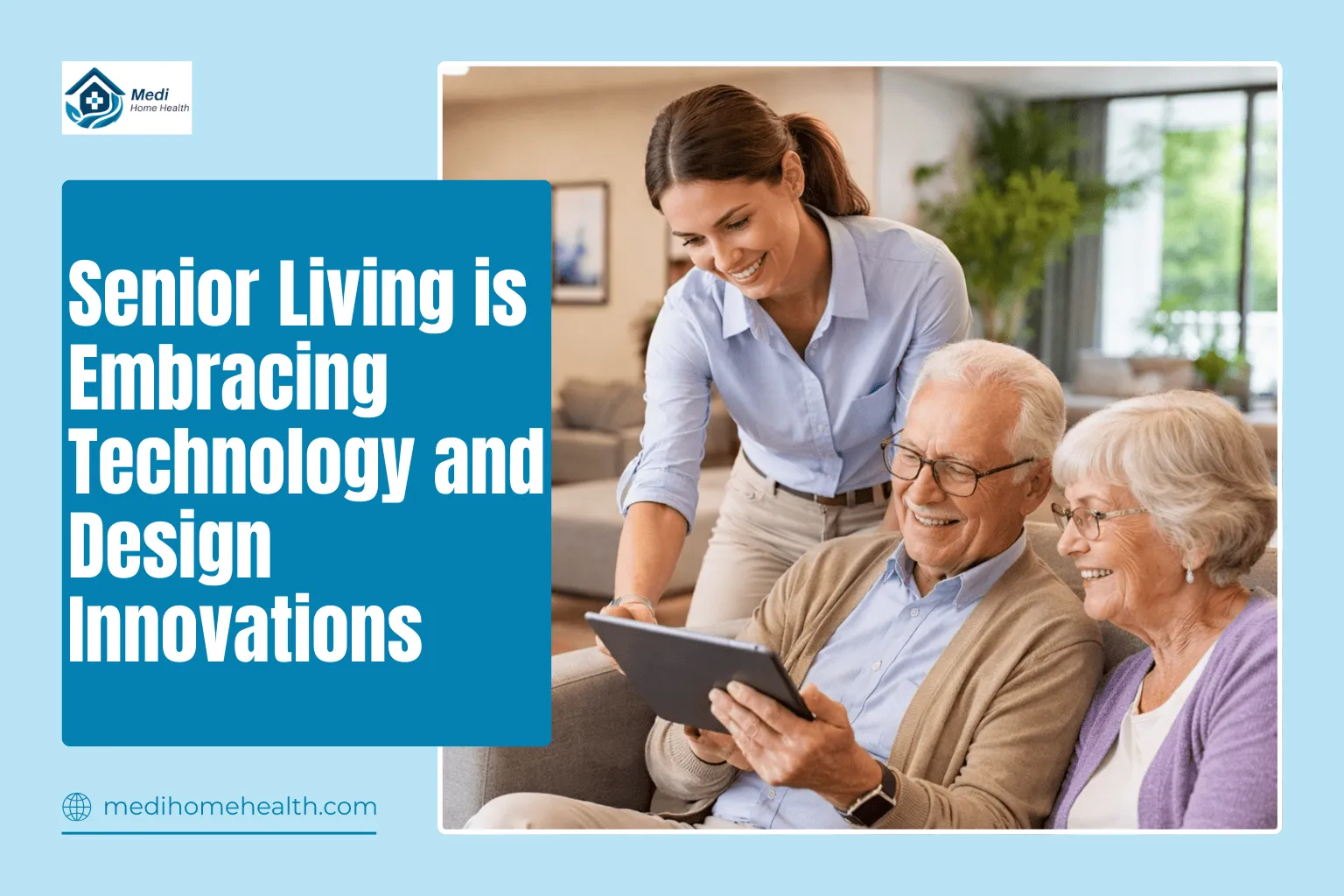
Senior living is shifting gradually as new ideas in technology and design take shape. With more older adults seeking support, communities are expected to offer care that feels practical and comforting instead of institutional. Many places are now focusing on independence, safety, and daily joy by improving how seniors communicate, move, and interact. Facilities are starting to combine updated tools with compassionate support to build environments that feel genuinely supportive.
This progress is not limited to new buildings or digital devices. Teams are rethinking how surroundings can strengthen confidence, make routines easier, and help residents feel included. Care is becoming more active and collaborative instead of something that happens in the background. Living areas are turning into spaces for connection, movement, and personal freedom.
Technology as a Support System, not a Substitute
Smart tools are slowly becoming part of senior care in ways that feel useful instead of overwhelming. Devices like health-tracking wearables can monitor heart rate, breathing, and sleep so that medical issues are noticed sooner. This allows residents to take part in their own wellness and ask for help before a problem escalates. Technology is not replacing caregivers; it gives them better information so they can respond faster.
Virtual medical visits are also common, letting seniors meet with doctors without the stress of traveling. It reduces long waiting times and lowers exposure to illness. More importantly, residents receive support that adapts to their schedule instead of the other way around.
Smart home features such as voice controls, automatic lights, and climate adjustments make rooms easier to manage, especially for seniors with mobility concerns. These systems encourage independence by reducing the need for physical effort to complete simple tasks. Technology like AI monitoring also looks for unusual changes in routine and alerts staff when something seems off, offering families reassurance that no warning signs will go unnoticed.
Building Spaces with Healthy Designs
Architects and designers are shifting toward layouts that balance safety and comfort. Open rooms, sunlight, calm colors, and fewer visual barriers can reduce confusion and help residents stay oriented. Natural light and open spaces also encourage interaction and movement, which are important for mental health.
Practical safety elements like non-slip tiles, smooth transitions, and grab bars lower the chance of falls. The CDC states that more than one out of every four older adults falls each year, so communities are focusing on accessibility more than ever. Homes and apartments are being built to remove hazards rather than simply adjusting after accidents happen.
Personal touches in living spaces are growing in demand. Seniors are encouraged to decorate, rearrange furniture, and organize rooms to match their habits. This creates familiarity and emotional comfort. Outdoor spaces, including gardens and simple walking paths, help reduce stress and promote natural movement. Green areas are valued not only for beauty but also for their positive effect on mood and physical well-being.
Data-Driven Care Plans
Many modern facilities are shifting toward care driven by meaningful data. Health records that are shared digitally allow nurses, doctors, and specialists to understand a resident’s needs without delays. When everyone on the care team sees the same information, decisions become more accurate and consistent.
Predictive tools can recognize early signs of trouble. Sleep issues, medication changes, or a sudden drop in activity are flagged so staff can respond proactively. This approach aims to solve problems early rather than waiting for them to worsen. It supports a smoother and more stable experience for residents.
Some communities also use engagement apps that let seniors schedule visits, view wellness goals, or send questions to staff. It gives residents more of a voice in their routine and reinforces that their preferences matter. Feeling included often leads to better cooperation and a stronger sense of dignity.
Bringing Generations Together
Intergenerational programs are becoming more common because they help reduce loneliness and create mutual respect between seniors and younger people. Shared activities such as storytelling, music classes, or art projects allow everyone to learn from each other. According to Generations United, 92% of Americans believe these programs reduce senior isolation. When generations spend time together, everyone benefits.
These connections help challenge stereotypes. Younger people learn patience and empathy, while seniors regain a sense of purpose. Schools and universities are working with senior communities so residents can mentor, attend lectures, or engage in campus events. Instead of being seen as passive recipients of care, seniors are viewed as contributors with knowledge and experience.
Volunteer visits also support socialization. Hobby clubs, reading circles, and informal visits from neighbors build community identity. Residents interact with others outside the facility, which strengthens bonds and reduces the emotional distance that sometimes comes with long-term care.
Choosing Greener and Sustainable Practices
Sustainability is becoming a meaningful priority among senior care organizations. Facilities are using recycled materials, energy-saving appliances, and efficient lighting to reduce environmental strain. Older adults often appreciate these measures because many grew up valuing careful resource use.
Green certifications like LEED are being pursued to validate energy conservation, water management, and responsible waste habits. These buildings prove that comfort and efficiency can coexist. Landscaping choices, such as native plants and water-saving irrigation, reduce upkeep while maintaining a calm outdoor environment.
Composting, recycling stations, and food donation systems help reduce waste. These efforts involve residents, caregivers, and the surrounding community. They also create a shared sense of responsibility and pride. Sustainable practices are shaping long-term care into something more thoughtful and future-conscious.
What Comes Next
The future of senior living is leaning toward flexibility, personal choice, and meaningful human interaction. Technology, thoughtful design, data-guided care, multi-age communities, and environmental awareness are working together to set a new standard. These changes are not about luxury; they are about basic dignity and comfort.
If you want to explore compassionate care with progress in mind, talk to MediHomeHealth to discover how our In-Home care services approach supports seniors and older adults at every stage.
More Blogs You May Like

Why is Elderly Dental Care in Assisted Living Important?
Dental care plays an important role in senior health, yet it is often given little attention. As people...
Read More
How to Handle Repeated Questions from a Loved One with Dementia
One of the most helpful ways to respond to repeated questions during dementia care is with patience, kindness,...
Read More
Common Causes of Caregiver Burnout in Home Care
Caregiver burnout develops when the ongoing demands of care cause emotional, physical, and mental exhaustion. It can change...
Read More