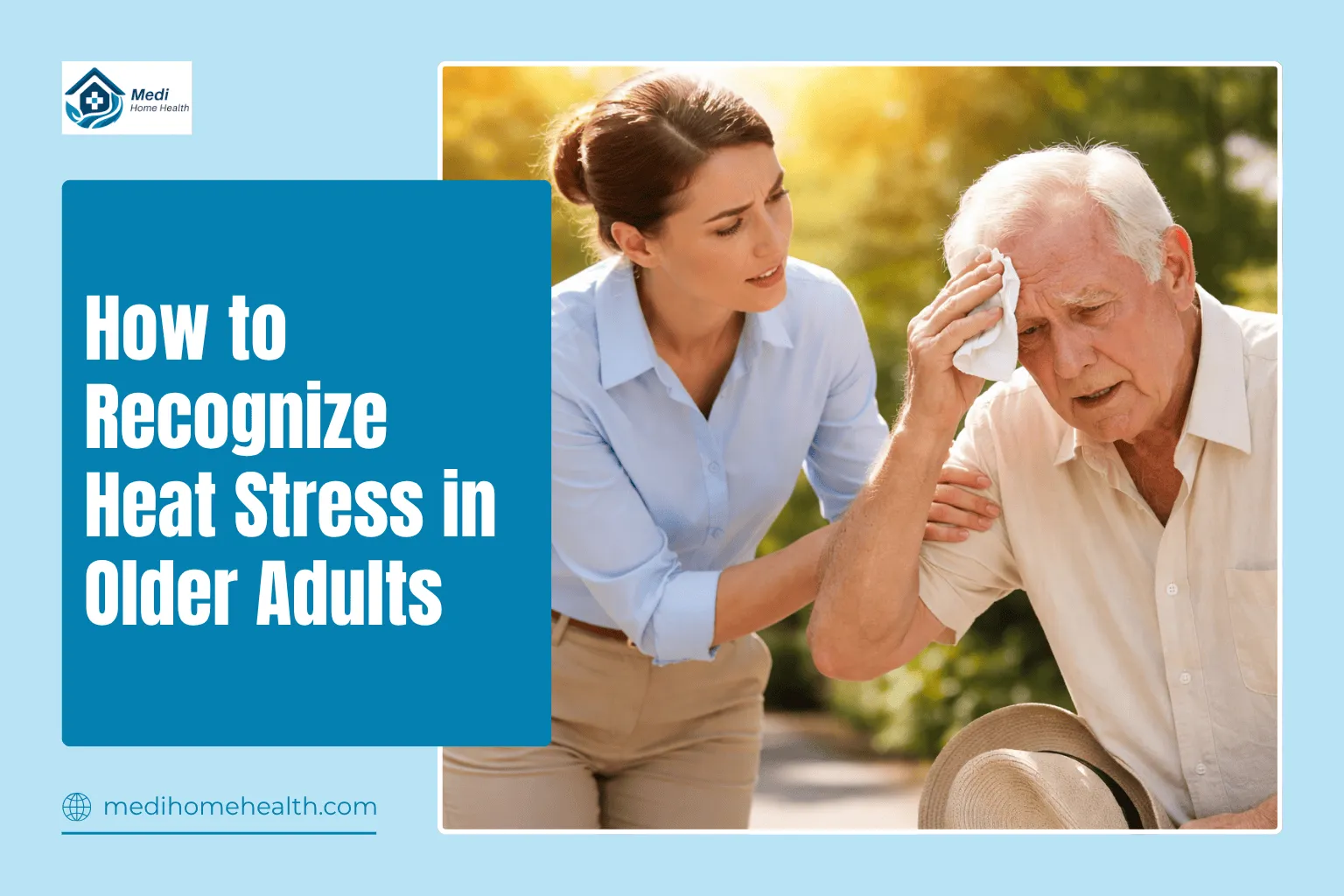
Summer offers time outdoors and moments with family, but for older adults, high temperatures can create serious health concerns. Adults aged 65 and over are at greater risk of heat stress, a condition that may cause dehydration, confusion, and even hospital admission if not addressed early. In seniors, heat stress not only occurs more easily, it can also develop faster and become more severe than it does in younger, healthy adults.
Home care assistants monitor the effects of extreme heat on older clients each year. For this reason, understanding early symptoms, recognizing personal risk factors, and responding quickly is essential.
Why Seniors Face Higher Heat Risk
Hot weather affects people of all ages, but natural changes in the aging body reduce the ability to control internal temperature. This makes cooling down more difficult. Older adults may also fail to recognize rising body heat until the situation becomes serious. When combined with medical conditions or certain medications, even moderate heat can pose danger.
Key risk factors include:
- Ongoing conditions such as heart disease, diabetes, kidney disorders, or lung disease
- Medications that influence hydration, including diuretics and blood pressure drugs
- Limited mobility that makes it harder to reach cooler areas
- Living alone, which may delay noticing or responding to symptoms
- Memory loss or cognitive decline that reduces awareness of thirst
These factors increase the likelihood of heat stress, reduce awareness of early warning signs, and delay medical care, which may result in a serious emergency.
Identifying Symptoms of Heat Stress
Recognizing early warning signs can stop heat stress from becoming life-threatening. Watch for the following symptoms:
- Unusual fatigue or weakness
- Lightheadedness or fainting
- Muscle spasms
- Upset stomach, vomiting, or diarrhea
- Fast heartbeat
- Dark urine or reduced urination
- Confusion, disorientation, or sudden behavior changes
- Head pain or vision problems
- Strong thirst
If an older person shows these signs, especially during hot or humid conditions, immediate action is important.
Steps to Take if Heat Stress Is Suspected
If symptoms appear in an older adult:
- Move them into a cool or air-conditioned room
- Offer small amounts of cool water unless they are unconscious or vomiting
- Place cold packs on the neck, underarms, and wrists
- Remove extra layers of clothing
- Contact a GP or seek urgent medical help if symptoms continue or worsen
Heat stress can progress quickly. Do not wait for several symptoms before responding; acting early can prevent serious complications. It is safer to seek help promptly rather than delay, as older adults can decline rapidly and become harder to treat.
Ways to Reduce the Risk of Heat Stress
Preventing heat illness is the most effective approach. Consider these practical steps during warmer weather:
- Stay hydrated: Encourage frequent small drinks of water throughout the day, even before feeling thirsty
- Keep living spaces cool: Use fans or air conditioning, or spend time in cooler public places such as shopping centers or libraries. During heatwaves, some community spaces may extend opening hours for those without home cooling, or consider visiting friends who have air conditioning.
- Maintain regular contact: Call or visit older family members daily during heatwaves if they live alone
- Choose light clothing: Wear breathable fabrics like cotton or linen in lighter shades
- Avoid peak heat hours: Schedule activities, errands, or exercise early in the morning or later in the evening
- Use cooling methods: Apply cool cloths, use mist sprays, or soak feet in cool water to lower body temperature
- Review medications: Some prescriptions increase heat sensitivity; consult a GP or pharmacist
Home Care Assistance professionals are trained to observe these risks and act quickly if heat-related symptoms arise, offering reassurance to families and added safety for seniors.
When Additional Help May Be Needed
If you believe a loved one may be vulnerable to heat stress due to health conditions, memory concerns, or living alone, in-home support may be helpful.
With dedicated home care, services can include:
- Monitoring fluid and meal intake
- Managing prescribed medications
- Ensuring the home remains cool and safe
- Providing companionship and routine wellbeing checks
- Assisting with errands, transportation, and personal care during hot weather
Consistent daily assistance can lower the chance of emergencies and support overall wellbeing during summer.
Heat stress is serious but largely preventable. With awareness, sensible precautions, and timely assistance, elders can remain safe and comfortable throughout the warmer months.
Receiving support at home from a trusted provider such as MediHomeHealth can improve comfort and independence while aging at home. MediHomeHealth delivers practical solutions that help seniors remain self-sufficient.
Elder Care at MediHomeHealth
As an established aged care provider, MediHomeHealth delivers personalized in-home services that help older adults live safely and comfortably in their own homes. Both private and government-funded Care Packages are available at MediHomeHealth. Care Workers complete thorough training to deliver high-quality in-home aged care, supporting individuals who wish to age in place. The organization also helps clients understand the process and access approved care packages.
More Blogs You May Like

Senior Care: Safe and Fun Summer Activities for Older Adults
Summer gives seniors a good opportunity to enjoy outdoor time and stay connected with relatives, friends, and neighbors....
Read More
What is Anosognosia Dementia or Lack of Insight?
What happens when someone living with dementia cannot recognize the changes others clearly notice?
Read More
How to Lower Blood Pressure in Seniors
Harvard University states that about 25 percent of people in the United States have hypertension without knowing they...
Read More