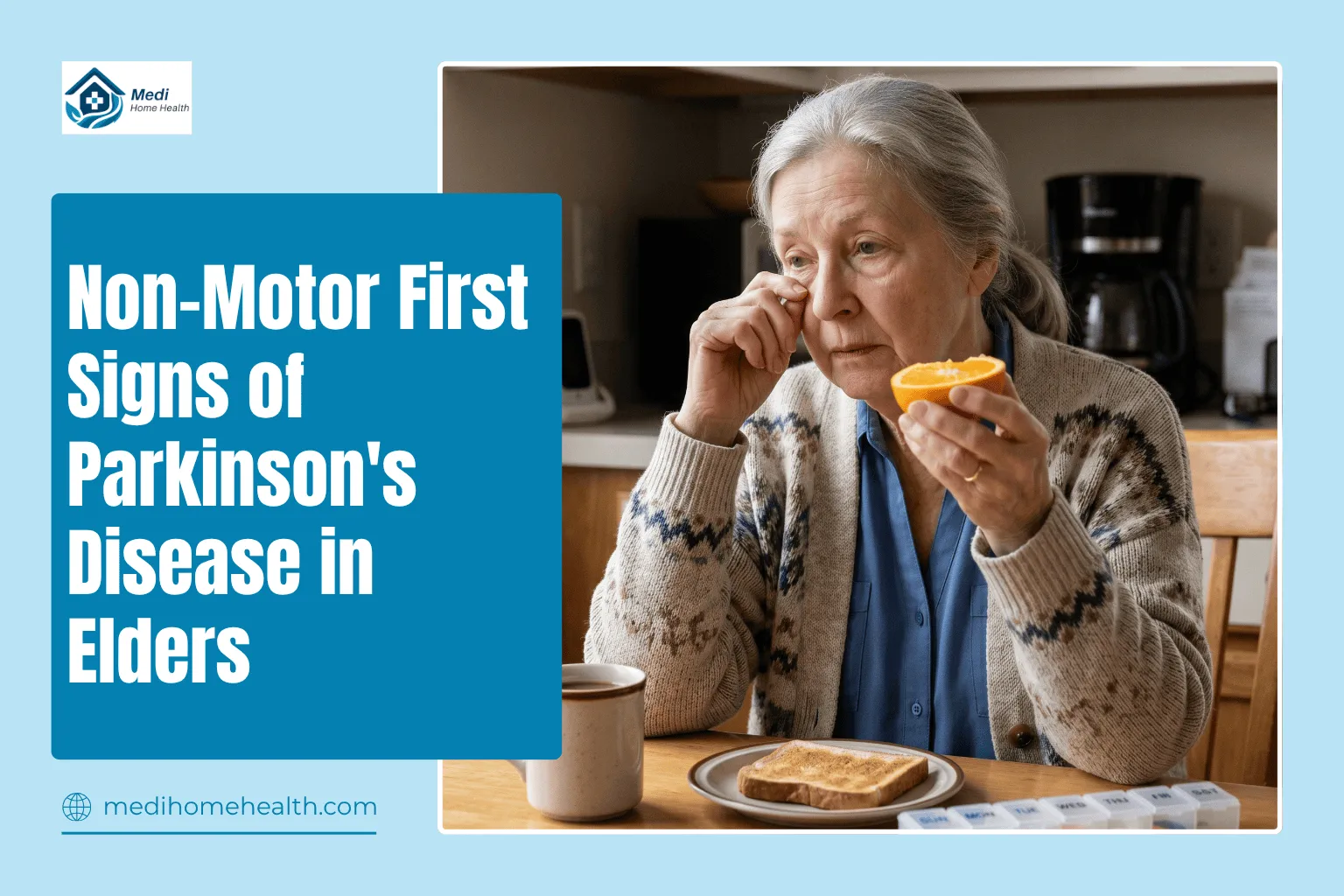
When a family member is living with Parkinson’s disease, daily life can begin to change in ways you may not expect. Most people connect Parkinson’s with shaking or trouble moving, yet many early warning signs are actually quiet changes unrelated to movement.
Parkinson’s can also influence energy, speech, and facial expression. These symptoms sometimes appear years before diagnosis, and understanding them early may help make caring for your loved one feel more manageable.
Understanding Hidden Parkinson’s Symptoms
Parkinson’s disease does not look the same for every person. Some individuals experience tremors along with slow or rigid movement, while others may only notice one symptom or none of the common physical signs. The condition affects much more than movement and can interfere with different parts of everyday living.
Non-physical symptoms may affect sleep, memory, emotions, and other important body functions, which means they often need equal attention and support.
Below are several common non-motor symptoms linked to Parkinson’s disease:
1. Sleep Problems
Interrupted sleep or poor sleep quality is very common in people with Parkinson’s disease. Your loved one may struggle with insomnia, feel exhausted during the daytime, or move frequently during sleep. Some people may physically react to dreams by kicking, shouting, or making sudden movements while asleep.
2. Changes in Speech
People with Parkinson’s are often unaware that their voice has changed, though relatives usually notice it first. The condition may cause speech to become quieter, softer, or slightly raspy because of muscle stiffness. Some people also begin pausing more often during conversations.
3. Thinking and Sensory Difficulties
Certain individuals with Parkinson’s may struggle with focus or managing multiple tasks at once. Memory may seem less sharp, and handwriting may slowly become smaller or tighter over time, a symptom known as micrographia.
A reduced sense of smell is also one of the earliest symptoms connected to Parkinson’s disease. If your loved one suddenly cannot recognize scents, it is important to mention it to their doctor. Some people may also develop blurred vision, dry eyes, or double vision caused by reduced muscle control and less blinking.
4. Dizziness When Standing Up
A quick fall in blood pressure, called orthostatic hypotension, may cause lightheadedness after standing from a bed or chair. Since dizziness is already common among older adults, this symptom connected to Parkinson’s can easily go unnoticed.
5. Low Energy or Reduced Expression
Many people with Parkinson’s feel drained or lacking motivation even after resting. Experts believe this may be connected to disrupted sleep and changes in brain activity.
Your loved one may also begin showing less facial expression, sometimes called a flat affect. Their face may not clearly display happiness, sadness, or frustration. This does not mean they no longer feel emotions. They still experience emotions normally, but the muscles in their face may not respond the same way.
6. Medication Reactions
Medicines used to manage Parkinson’s symptoms can improve daily functioning, though some may lead to impulsive actions or other unusual behaviors. If you notice any changes, contact the doctor.
Parkinson’s medications usually need to be taken at exact times each day. Missing doses or taking them late can strongly affect symptom control. While caregivers from MediHomeHealth do not provide medications directly, they can remind your loved one when it is time to take them.
7. Physical Changes in the Body
Heavy sweating or increased sensitivity to heat and cold is common in people with Parkinson’s disease. The condition may interfere with the body’s ability to control temperature, particularly in women. Because of this, the symptom is sometimes mistaken for menopause.
Constipation is another frequent early symptom. Parkinson’s disease can affect nerves in the autonomic nervous system that help move food through the digestive tract. This issue is often long lasting and may appear years before diagnosis.
Ways to Help Someone Living with Parkinson’s
Supporting someone with Parkinson’s takes patience, understanding, and ongoing care. Although you cannot stop the condition itself, there are several ways to make daily life easier and more comfortable:
1. Stay in contact with their doctor
Even a small change in medication may improve symptoms. Keeping notes about new symptoms or behavior changes can help doctors adjust treatment plans when needed.
2. Help manage daily energy
Encourage regular sleeping habits and allow time for short breaks throughout the day when activities become tiring.
3. Exercise together
Light physical activity such as stretching, walking, or yoga may improve mood, increase energy, and help the body stay active.
4. Encourage movement during the day
Remind your loved one to shift positions and move around regularly to reduce stiffness and discomfort.
5. Make time for enjoyable moments
Shared hobbies, laughter, and relaxing activities can help bring comfort and maintain emotional connection during difficult periods.
6. Support independence where possible
Allow your loved one to continue doing tasks they can safely manage on their own. This can help protect confidence and preserve a sense of control.
7. Consider professional caregiving support
MediHomeHealth provides non-medical care at home to support families caring for someone with Parkinson’s disease. Caregivers can assist with daily routines such as bathing, dressing, meal preparation, transportation to appointments, and companionship.
Home Care Support for Parkinson’s Disease
Parkinson’s disease often brings unexpected emotional and physical challenges. With patience, education, and reliable support, families can better handle these changes while helping loved ones stay comfortable at home.
As Parkinson’s symptoms progress, many families find that additional home support becomes helpful. MediHomeHealth provides non-medical Parkinson’s care designed to support quality of life at home while also giving family caregivers reassurance and peace of mind.Contact MediHomeHealth to learn more about available care options.
More Blogs You May Like

Looking After a Dementia Parent While Working Full-time
Looking after a parent with dementia while working full-time is one of the most difficult situations a family...
Read More
Caregiver Plan for Elderly Loved One at Home
Looking after elderly loved ones takes careful thought to help make sure they stay safe, comfortable, and content....
Read More
Helping Children Stay Connected with a Loved One Who Has Dementia
When a grandparent or another family elder is living with Alzheimer’s disease or a different form of dementia,...
Read More