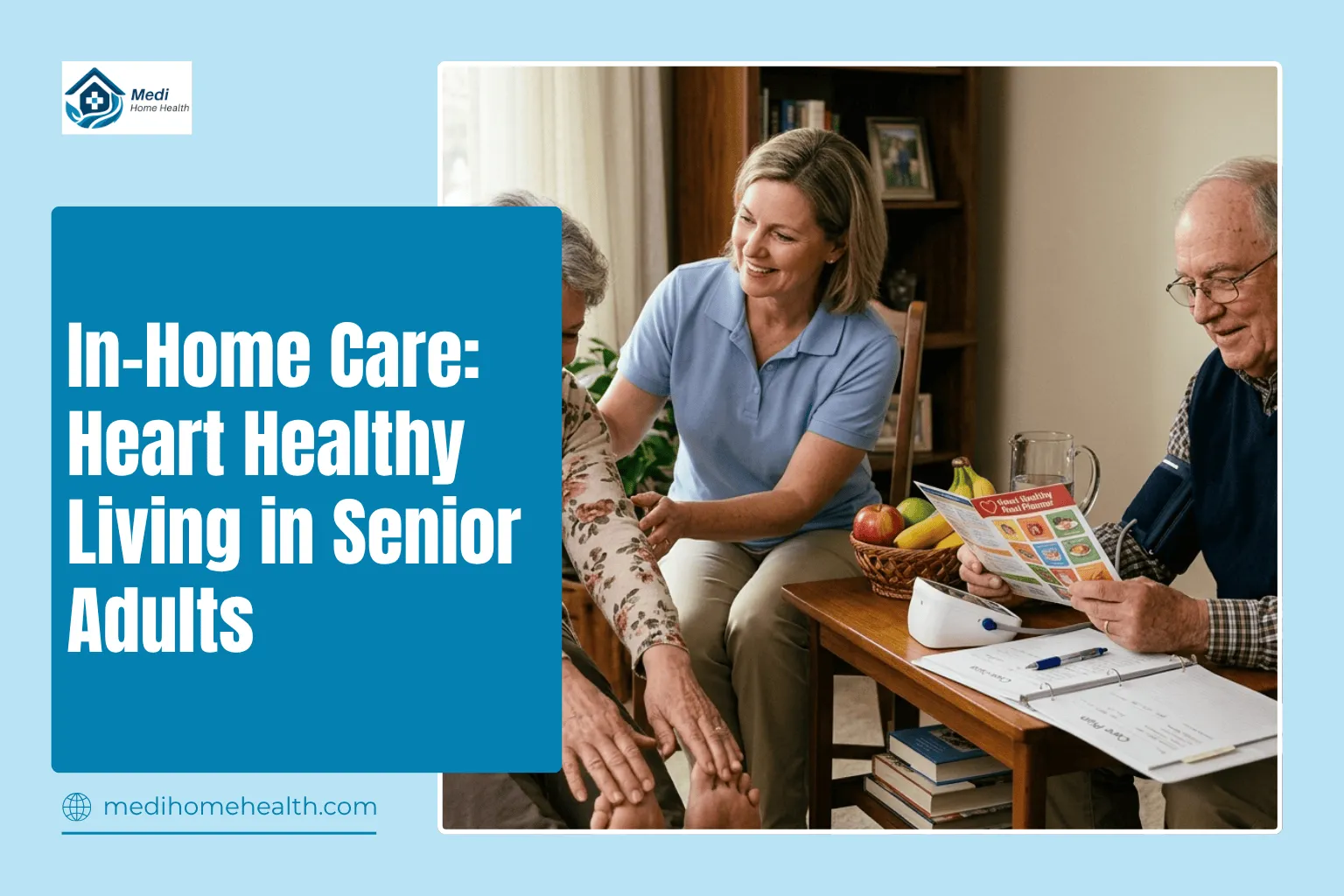
In healthcare, serious emergencies often receive the most attention because they require immediate treatment. Still, long-term health is usually built through the small choices people make every day rather than in emergency situations. Prevention is not usually one major action. A healthy heart is often supported through many simple habits repeated consistently from morning until bedtime.
From a nursing perspective, preventing heart disease is about more than avoiding medical problems. It is also about maintaining strength, energy, and overall well-being. Many heart-related conditions do not begin suddenly. Instead, the body often shows quiet warning signs over time. At MediHomeHealth, we focus on more than emergency care. We believe professional home care can support daily wellness and help people remain stable, active, and healthier for longer.
Paying Attention to Early Warning Signs
Understanding Mild Symptoms Before They Become Serious
One of the most common misunderstandings about heart attacks is the belief that they always happen suddenly with severe chest pain and collapse. In reality, many heart-related issues begin with subtle symptoms long before becoming emergencies. In clinical care, we often see people ignore mini heart attack symptoms because they seem mild or manageable. These signs may include ongoing nausea that feels similar to indigestion, unusual tiredness that rest does not improve, or discomfort in the jaw or upper back.
This is especially common among women and older adults because their symptoms may not match the typical image of chest pain. Ignoring mild heart attack symptoms because they do not seem serious enough can become dangerous. By the time pain becomes severe, important treatment time may already be lost.
Why Delaying Care Can Become Dangerous
The “wait and see” approach is often where avoidable health problems become more serious. This is one reason high-quality home care can play an important role in protecting health. Having a trained Home Health Aide (HHA) at home creates an extra layer of support and observation. Caregivers are trained to notice small changes in a person’s normal condition, such as pale skin, breathing difficulties after light activity, or reduced appetite that might otherwise be ignored. Detecting these changes early can make treatment more effective.
Simple Ways to Support Heart Health
Staying Active Without Intense Exercise
When people think about a heart-healthy lifestyle, many imagine difficult workouts at a fitness center. However, medical research shows that regular activity matters more than extreme exercise, especially for long-term heart health. The goal is not intense athletic training but steady “Zone 2” activity that raises the heart rate slightly while still allowing comfortable conversation. This may include brisk walking outdoors or light resistance exercises at home.
Why Stress Control Matters for the Heart
Managing stress is also an important part of improving heart health because long-term stress can raise cortisol levels and place strain on the cardiovascular system. Ongoing stress may keep blood pressure elevated and affect overall wellness. This is where support from a Home Health Aide can provide practical benefits. By helping with everyday responsibilities such as laundry, errands, and light housekeeping, caregivers reduce some of the daily stress that can affect heart health and allow clients more time to rest and recover.
Supporting Heart Health Through Better Nutrition
Using Diet to Help Prevent Heart Disease
Nutrition plays a major role in supporting cardiovascular wellness. Learning how to reduce the risk of heart disease often starts with improving eating habits. Meals that include leafy vegetables, healthy fats, and lean protein sources may help reduce inflammation and support healthier arteries. While many people understand which foods are healthier, daily tasks like shopping, preparing ingredients, and cooking can become difficult because of fatigue or busy schedules.
Easy Meal Preparation for Heart Health
This is one area where home care can provide meaningful support. Meal preparation is an important service offered by Home Health Aides. Instead of relying on processed foods that often contain large amounts of sodium, a MediHomeHealth caregiver can help clients maintain a heart-friendly diet with less effort. Caregivers may shop for fresh groceries and prepare lower-sodium meals based on personal preferences. This helps healthy choices become easier and more practical for daily life.
How Professional Support Helps Long-Term Prevention
Why Healthy Habits Become Harder Alone
We often remind clients that motivation and energy are limited resources. Making major lifestyle changes without support can feel difficult because consistency takes effort that many seniors may need for other responsibilities. It can become easy to skip exercise or choose unhealthy snacks when feeling tired or overwhelmed. Without support, many plans for maintaining a heart-healthy lifestyle gradually become harder to follow.
Building Everyday Support for Better Health
Professional home care services can help turn healthy goals into regular habits. A MediHomeHealth care aide provides encouragement and daily structure that can make long-term changes easier to maintain. This may include medication reminders, companionship during walks, or simply having someone present who understands the individual’s care plan. Clients are not only receiving caregiving support, but also building a partnership focused on long-term wellness and safety.
Conclusion: Building Better Heart Health One Day at a Time
Heart health is usually built through everyday habits at home rather than only during medical appointments. It develops through healthy meals, regular movement, and the comfort that comes from living in a well-supported environment. Understanding how to lower the risk of heart disease is an important first step, but maintaining those habits often becomes easier with dependable support. No one has to manage these changes alone. We encourage you to contact MediHomeHealth today to learn how our experienced Registered Nurses and Home Health Aides can support your path toward stronger heart health through personalized daily care. You may also contact us directly at +1 (253) 565-2365.
More Blogs You May Like
What Does a Live-in Caregiver Need?
Providing a separate bedroom for a live-in care aide is essential. This area serves as their personal space...
Read More
How to Talk with Family About a Senior Loved One’s Care Needs
Talking about an older family member’s care requirements can be difficult and emotional for everyone involved. Whether support...
Read More
Ways to Provide Care for Senior Loved Ones with Alzheimer’s Disease
Looking after an aging parent with Alzheimer’s can bring meaningful moments, but it can also be difficult. As...
Read More