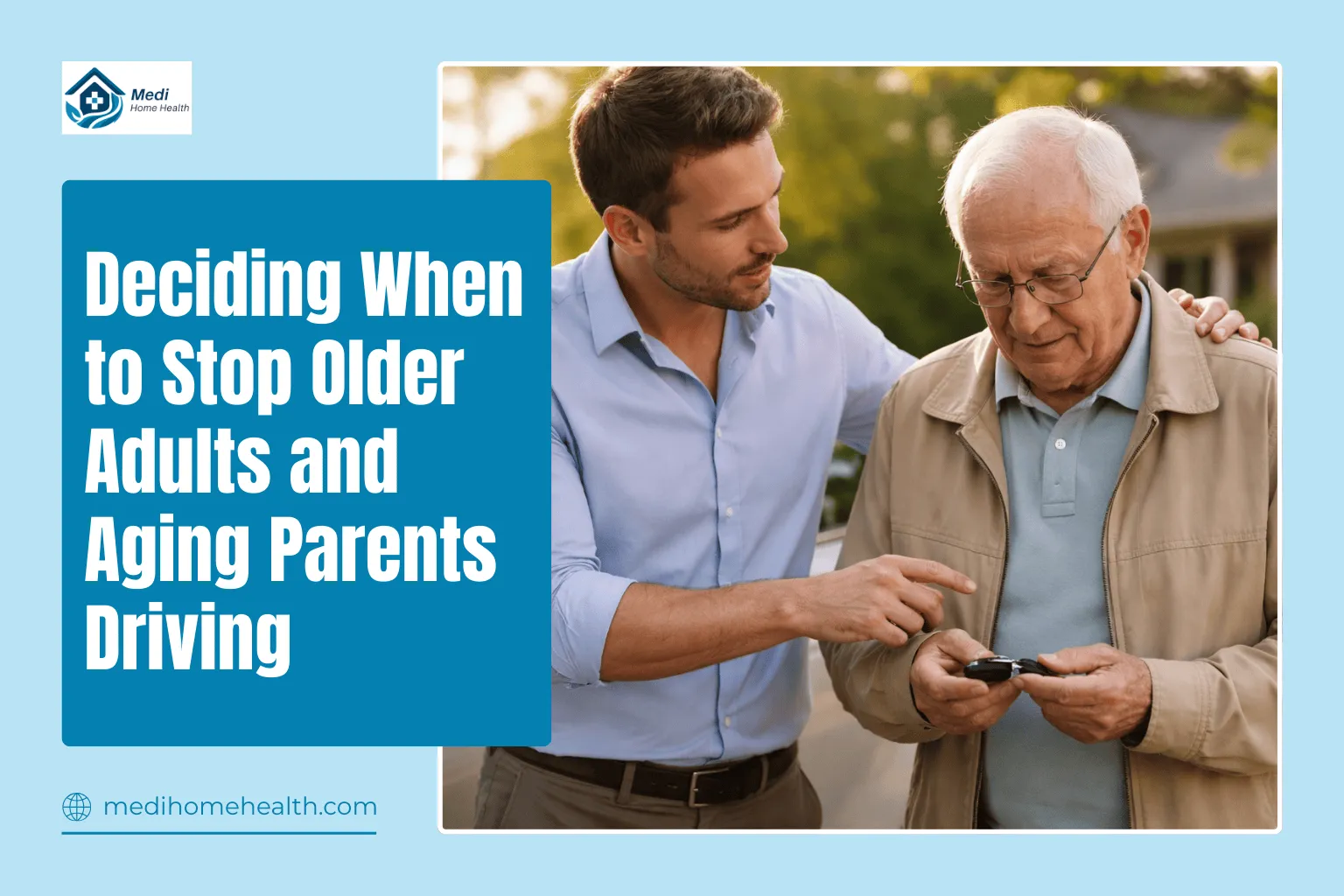
Losing the ability to drive is one of the most difficult changes that comes with aging. It affects daily freedom, self-image, and independence. When driving safety becomes a concern, families often struggle with how to raise the issue and what steps should follow.
Concerns may involve memory loss, vision changes, or physical weakness, and taking away car keys can lead to grief, resistance, or family tension.
Still, addressing unsafe driving is one of the most critical choices families face.
This guide explains when and how to step in around senior driving, using compassion, clear signs, and practical steps that families can rely on.
Warning Signs That Driving May No Longer Be Safe
Some changes are easy to miss. Others are more noticeable. Each one increases risk:
- Getting confused on familiar roads
- New scrapes, dents, or small accidents
- Delayed reactions at intersections or during turns
- Mixing up the accelerator and brake
- Vision trouble or sensitivity to light
- Growing nervousness while driving
- Loved ones refusing to ride along
- A healthcare provider raising concerns or suggesting testing
Seeing several of these signs together often means it is time to talk seriously about safety.
Dementia and Driving Safety
Driving can become risky even in the early stages of dementia. Common reasons include:
- Slower thinking in busy traffic
- Becoming disoriented in known areas
- Trouble understanding signs, signals, or road markings
- Reduced awareness of personal limits, often called anosognosia
As memory loss progresses, many individuals resist stopping driving despite clear evidence. This response is not defiance. It is often linked to changes in the brain that affect insight and judgment.
Tips for Talking About Driving with Aging Adults
| Tip | Why It Helps |
| Bring it up early | Starting the talk before a serious incident gives everyone time to adjust and lowers resistance later. |
| Use health concerns as the basis | Presenting it as a medical or safety issue removes blame and keeps the focus on well-being. |
| Talk as a team | Using “we” sounds supportive and shared, rather than controlling or final. |
| Share clear options | Lining up rides, caregivers, or local transport helps preserve choice and independence. |
| Skip hard deadlines | A trial period feels less threatening and allows gradual acceptance of the change. |
| Use gentle therapeutic explanations | Simple stories can ease stress and confusion, especially for someone with dementia. |
| Ask for a doctor’s note | Guidance from a trusted clinician shifts the decision away from family conflict. |
| Reduce visual reminders | Keeping keys and the car out of sight can lessen daily frustration and urges |
| Acknowledge the feelings | Recognizing the loss shows respect and helps the person feel heard. |
| Emphasize what comes next | Focusing on future routines and outings keeps the conversation hopeful and forward-looking. |
Steps to Take When Driving Needs to End
Helping someone stop driving is never simple. With planning and steady support, it can feel more like a shift toward safety than a sudden loss.
The following steps can help families move ahead with care:
Arrange a Driving assessment
Many states offer road tests through rehabilitation programs. These evaluations provide neutral feedback and reduce pressure on family members to make the decision alone.
Include aTrusted Medical Professional
Doctors familiar with aging or memory loss can explain concerns clearly and calmly. Written guidance from a provider can make discussions feel less personal and more supportive.
Learn About Local Regulations
Some areas allow doctors or relatives to request a license review. These processes focus on safety rather than punishment.
Create a Clear TransportationPlan
Giving up driving also means replacing what the car provided. Work together to list important outings such as:
- Shopping trips
- Religious services or weekly meals
- Medical visits
- Personal errands or social visits
Then decide how those needs will be met through family, companions, neighbors, or paid services.
Explore Ride-hailing Options
More choices are available today:
Uber for Older Adults: An easy-to-use setup with tools that allow caregivers to help schedule rides
Rides in Sight is a free listing that helps locate nearby transportation services for older adults or people with mobility limits that make driving difficult.
Lyft Concierge or local senior ride programs offered through community agencies
MediHomeHealth caregivers who can both drive and stay with someone from pickup to drop-off, offering routine, reliability, and emotional care
Giving up driving does not mean giving up control. Aging at home can still include outings, social time, and personal choice when the right help is arranged.
Extra Factors to Consider with Dementia
When dementia is involved and safety becomes an issue, stopping driving may be required. Still, the change does not need to feel sudden or severe.
Here are some ways to lower pushback and keep trust intact:
Out of sight, Out of mind
Take away or secure car keys. You may also move the vehicle or disable it. Fewer daily reminders can help reduce focus on driving over time.
Use Calm and Reassuring Wording
You might say:
- “The doctor thinks it’s best to pause driving for now.”
- “The car needs work, so let’s wait a bit.”
- “You’ve driven for years. It’s okay to let someone else drive today.”
These phrases help avoid arguments and protect dignity—especially when awareness is reduced.
Remain Steady and Predictable
If the person says they are still able to drive, avoid debating. In later stages of dementia, logic can raise stress. A steady voice, set routines, and gentle redirection tend to work better.
How MediHomeHealth Helps Families Adjust After Driving Ends
We have helped many families through this same change. Our goal is to reduce stress, offer support, and keep daily life respectful and familiar.
Our care teams offer:
- Caregivers who are able to drive safely and assist with errands, medical visits, and social plans
- Dementia-aware support focused on redirection, consistent routines, and emotional comfort
- Transportation planning guided by Client Success Managers to support preferred schedules and activities
- Ongoing presence so stopping driving does not lead to loss of purpose or connection; our care focuses on what matters most to each person
We often remind families: “Driving may stop. But the journey must go on.” Contact us to learn how MediHomeHealth helps older adults stay active, safe, and involved each day.
Considering Home Care for a Loved one?
We can walk you through your choices and help you find a plan that works for your family, finances, and care needs. Call us or contact MediHomeHealth online, and we’ll follow up within 24 hours.
More Blogs You May Like

Best Anti-Inflammatory Foods for Seniors Needing Home Care
The word “inflammation” is being used everywhere lately. From social media posts about digestion to podcasts focused on...
Read More
Best Fall Prevention Exercises for Seniors
Falls are one of the most common and serious risks facing older adults. Each year, over 14 million...
Read More