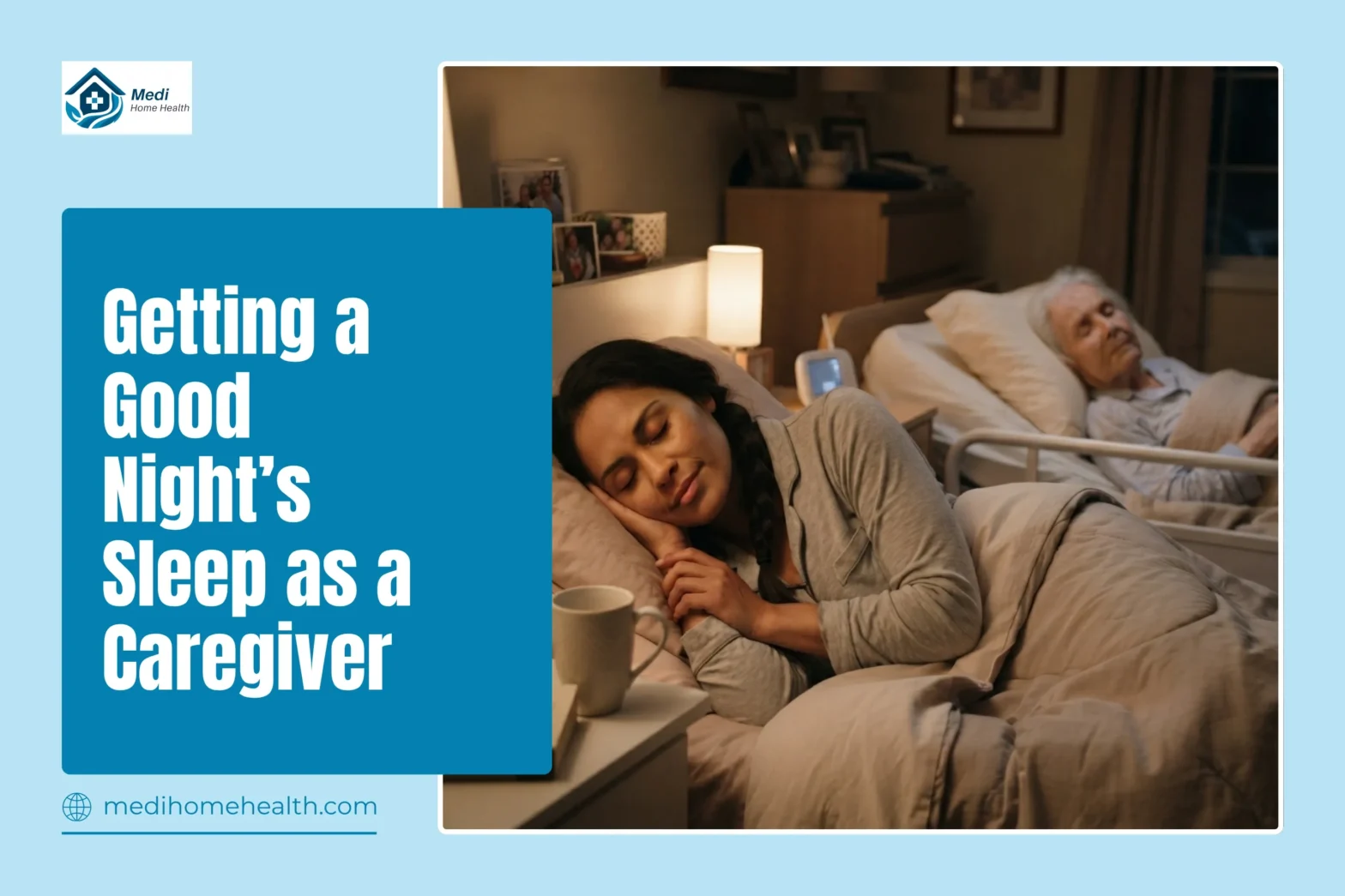
Family caregivers often have busy days that may involve running errands, preparing meals, getting their children ready for school, and handling HOUSEHOLD chores. Managing all these responsibilities can be tiring, which is why getting enough rest each night is important. Healthy sleep habits can support a caregiver’s wellbeing and reduce the risk of burnout. Here are some tips that can help family caregivers get better sleep.
Skip Daytime Naps
Although your older loved one may enjoy taking a nap during the day, you should try to avoid napping whenever possible. Rather than lying down, choose an activity that keeps you involved, such as doing crafts, working on a personal project, or spending time gardening. Your body generally needs around eight to ten hours of sleep per night and nothing beyond that. Taking a daytime nap could interfere with your nighttime sleep pattern and raise the risk of interrupted rest. As a result, you may become sleep deprived and find it harder to manage your caregiving duties.
Cut Back on Caffeine
Coffee may cause indigestion and other issues that interfere with your ability to sleep. If you decide to drink caffeinated beverages, reduce your intake and avoid having them at least two hours before going to bed. Consuming caffeine can interrupt sleep or make it harder to fall asleep in the first place. It is better to have caffeine after waking up or at another point before noon. Remember that coffee is not the only common source of caffeine, as certain teas and sodas also contain it and may affect your sleep habits.
If you depend on large amounts of caffeine simply to make it through the day, consider hiring a family caregiver for extra support so you can get some rest. Loudoun County respite care professionals can help older adults with a variety of everyday activities, giving family caregivers time to handle personal responsibilities or take breaks that may prevent burnout. Whether you need help for several hours each day or a few days during the week, respite care can be a helpful option for family caregivers who feel overwhelmed.
Keep Your Body Moving
Physical activity can help family caregivers sleep more soundly and maintain their overall fitness. Sleep also supports the immune system, giving your body time to recover and restore itself. As a result, you may reduce the chances of getting sick and lower the risk of certain accidents, which can improve the care you provide to your parent while supporting your own wellbeing. For healthier sleep habits, consider exercising during the early afternoon. Intense activity can increase endorphin circulation and leave you feeling energized. If you exercise too close to bedtime, falling asleep may become more difficult.
Many family caregivers place their own wellbeing last because they are focused on caregiving duties. If you’re the main family caregiver for an older loved one and need extra help with providing high-quality in-home care, MediHomeHealth is here to assist. We are a trusted In-home care agency dedicated to improving the way older adults experience aging.
Create a Relaxing Nighttime Routine
Before heading to bed each night, make sure your caregiving tasks for the day are complete, including helping your loved one prepare for sleep. To improve your sleep habits, spend some quiet time before bed so you can meditate or calm your mind and body while resting comfortably. You can also lower the lights and remove distracting background sounds. However, if soft music helps you relax and fall asleep, leave it playing at a gentle volume. Keep your bedroom at a comfortable temperature to avoid a restless night.
Families who need support caring for older loved ones can rely on MediHomeHealth, a trusted provider of elderly home care in Loudoun County and Virginia. Our customizable care plans can include meal preparation, mental and social engagement, help with personal hygiene, and many other services. Schedule a free in-home consultation by calling us today at +1 (253) 565-2365.
More Blogs You May Like

How Pedaling Help Seniors Living with Parkinson’s Disease
Parkinson’s disease affects millions of Americans and gradually impacts the brain’s ability to control movement. As the condition...
Read More
Aging Care: Hobbies for Better Senior Living
Older adults today often lead busy, active lives, and their hobbies can reflect that lifestyle. Traditional pastimes such...
Read More
Non-Motor Symptoms of Parkinson’s Disease in Seniors
When a family member is living with Parkinson’s disease, daily life can begin to change in ways you...
Read More