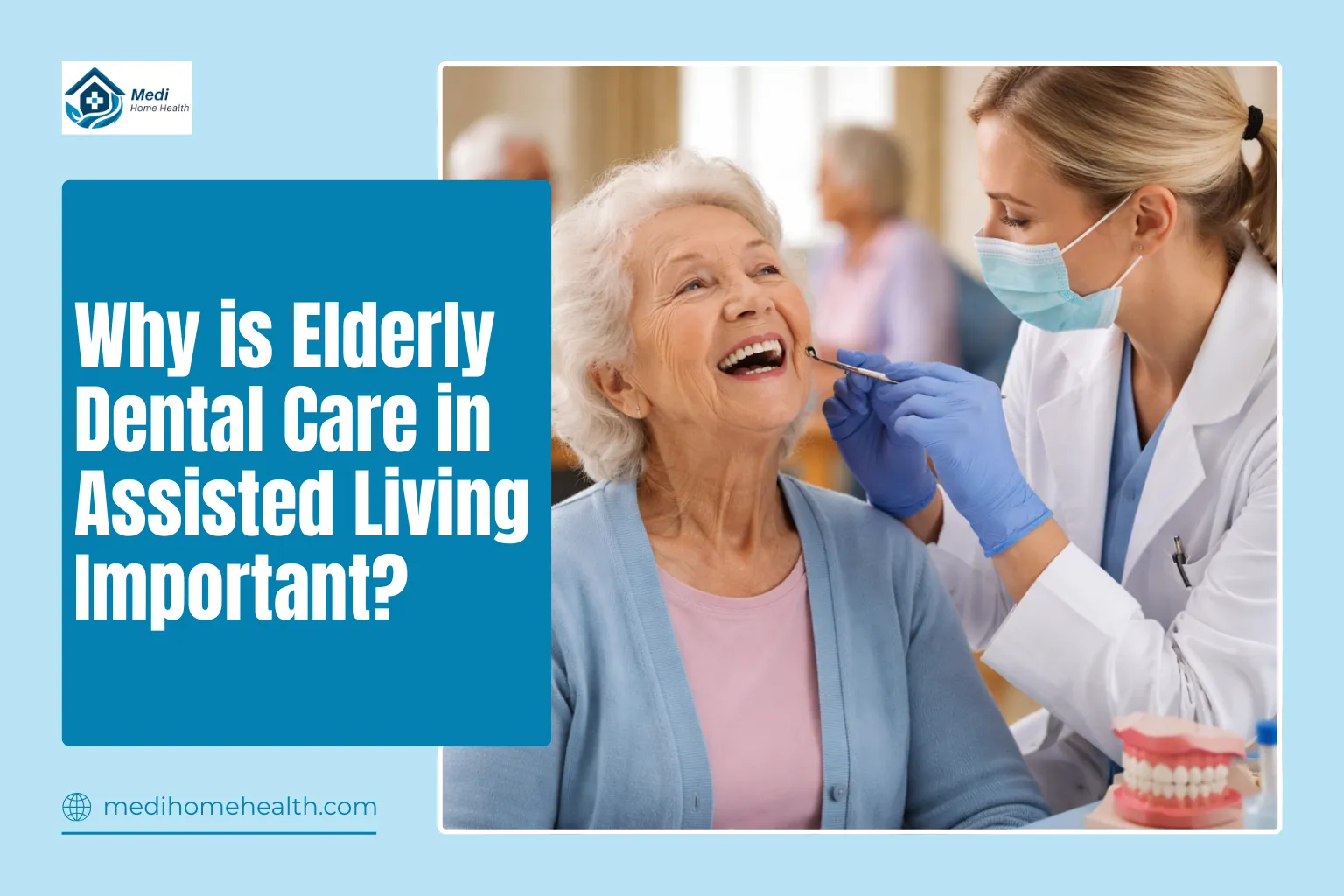
Dental care plays an important role in senior health, yet it is often given little attention. As people grow older, oral health becomes closely linked to proper nutrition, overall physical health, and daily comfort. When dental needs are ignored, problems can develop that affect both the mouth and the rest of the body. Recognizing the value of oral care helps support long term wellness in older adults.
Giving dental care proper attention in assisted living communities helps protect residents’ comfort and general health. Routine dental visits, daily hygiene habits, and early treatment can prevent many issues. Seniors benefit when oral care is part of everyday routines. Healthy teeth and gums support confidence, dignity, and physical stability.
How Oral Health Affects the Body?
Poor dental health in seniors is connected to a range of medical conditions. Gum infections may worsen chronic illnesses such as diabetes or heart disease. Bacteria from the mouth can spread and place added strain on the immune system. Good oral hygiene supports stronger overall health.
Tooth loss and mouth pain often cause seniors to avoid certain foods. Trouble chewing can reduce food choices and lead to poor nutrition. Keeping teeth functional allows seniors to eat a wider variety of healthy meals. Dental care often restores comfort during eating.
Emotional well-being may decline when dental problems remain untreated. Ongoing pain or concern about appearance can lead seniors to limit social contact. Feelings of embarrassment or isolation are common. Addressing dental issues early helps restore confidence and social involvement.
Daily oral hygiene and regular cleanings help prevent many health concerns. Encouraging seniors to care for their teeth lowers risks across the body. Assisted living staff can reinforce these routines through guidance and monitoring. Simple habits can support lasting health.
Barriers to Dental Services
Many older adults face challenges when seeking dental care. Limited finances or lack of insurance can make dental visits difficult to afford. Delayed treatment often leads to more serious and costly problems later. Financial strain remains a common reason seniors skip dental care.
Distance from dental providers creates additional difficulty. Limited transportation or reduced mobility may prevent regular appointments. Travel can place stress on both residents and caregivers. Alternative options are often needed to improve access.
Certain health conditions can interfere with daily oral care. Arthritis or memory loss may make brushing and flossing difficult. Assistance from caregivers becomes necessary in these cases. Support helps ensure daily hygiene is not overlooked.
Assisted living communities can help improve access through coordination. On site visits or transportation arrangements reduce common obstacles. Staff training ensures residents receive appropriate help. Organized care planning supports better dental outcomes.
How Assisted Living Communities Help?
Assisted living facilities have a direct impact on residents’ oral health. Including dental checks in routine wellness reviews allows early detection of problems. Trained staff can spot warning signs quickly. Early response reduces pain and complications.
Working with dental professionals brings care closer to residents. Mobile services or in house visits improve convenience. Familiar surroundings can ease anxiety during appointments. Easier access often improves follow through.
Daily support from staff is essential for oral hygiene. Helping residents brush and floss promotes proper technique and regular care. Supplies should be accessible, and routines adjusted to individual needs. Small changes can improve consistency.
Education supports a shared focus on oral health. Reminders, group discussions, and staff encouragement help reinforce habits. Positive reinforcement increases motivation. Communities that value dental care support broader wellness goals.
Prevention and Learning
Preventive dental care lowers the risk of emergencies. Routine cleanings and exams catch issues early. Seniors benefit from predictable care schedules. Prevention is easier than treating advanced problems.
Education helps residents and caregivers understand the importance of oral hygiene. Visual tools and demonstrations support better habits. Advice that fits senior needs improves results. Learning should continue over time.
Diet choices affect dental health. Assisted living menus can limit sugar and focus on nutritious foods. Teaching residents how food impacts teeth adds protection. Clear guidance often leads to better eating habits.
Regular reviews allow staff to track oral health changes. Care plans can be adjusted as needs change. Staying aware supports timely care. Consistent monitoring prevents missed concerns.
Supporting Cognitive and Physical Needs
Memory related conditions create challenges for dental care. Seniors with dementia may resist or forget hygiene routines. Gentle reminders and structure help improve cooperation. Consistency reduces frustration.
Physical limitations can also affect oral care. Joint pain or limited movement may make brushing difficult. Adaptive tools can support independence. Many residents still need caregiver help.
Behavioral concerns may affect dental visits. Fear or confusion can cause distress. Calm communication and familiar routines help reduce anxiety. Predictable processes improve comfort.
Care plans should reflect each resident’s abilities. Facilities benefit from working with dental professionals. Staff training helps adjust care as conditions change. Flexibility ensures proper support.
Making Dental Care a Priority in Senior Living
Oral care is essential to senior health and daily comfort. Good dental habits support nutrition, reduce illness, and improve confidence. Assisted living communities are well placed to reinforce consistent care.
More Blogs You May Like

Senior Care: Benefits of In-Home Aging for Seniors
Growing older at home, often called aging in place, has become a preferred option for many older adults....
Read More
How to Address Arthritis in Seniors
Arthritis is a common health condition among older adults, and it can make movement more difficult while affecting...
Read More
How Physical Therapy Supports Seniors in Long-Term Care?
As people grow older, staying physically active becomes more important for maintaining independence and day-to-day wellbeing. For individuals...
Read More