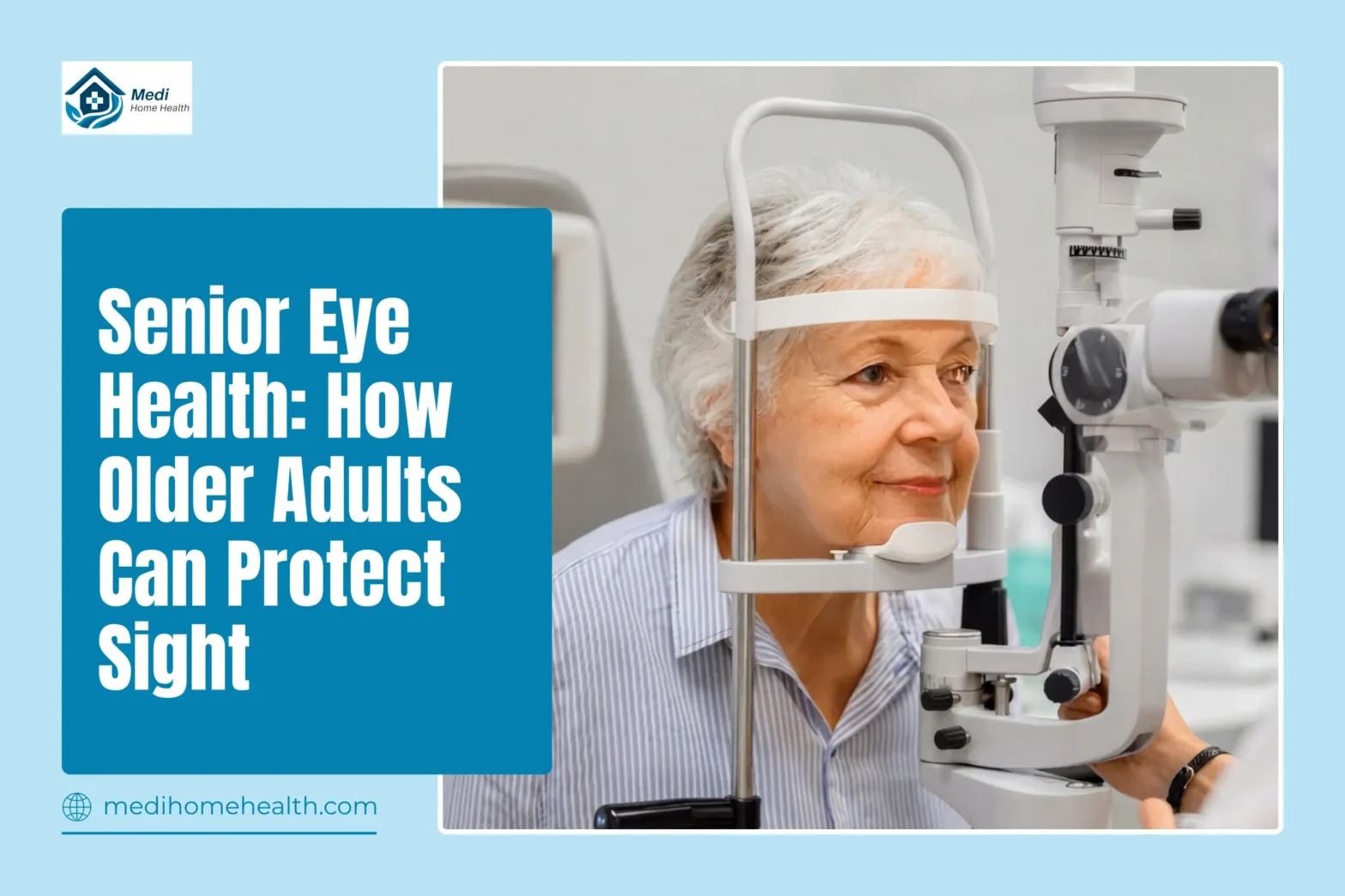
Seniors often overlook their eye health until they notice a problem, but there are several practical steps your elderly loved one can take to protect his or her vision with age. Here are five simple ways to help your loved one care for his or her eyesight.
1. Schedule an Annual Eye Exam
The American Academy of Ophthalmology advises adults over age 65 to have their vision checked every year. Regular eye exams can help doctors identify conditions such as cataracts and glaucoma before they become more serious, giving your loved one an opportunity to begin treatment early and limit further vision loss. If your loved one has diabetes, keeping up with yearly eye exams is particularly important.
Seniors with significant vision loss may require extra support to continue living safely at home. For many seniors in Loudoun County, VA live-in care can play an important role in helping them age in place with greater safety and comfort. It is also essential that seniors receive assistance from caregivers they can depend on. At MediHomeHealth, we carefully screen our live-in and 24-hour caregivers and hire professionals with experience in the senior home care field. These standards help seniors stay in familiar surroundings while lowering their chances of falls, injuries, and other serious health problems.
2. Add More Vegetables to the Diet
Lutein and zeaxanthin are antioxidants that can be found in several foods seniors should include in their diets, especially green vegetables. These nutrients may help protect against macular degeneration, which is a major cause of blindness among older adults. Eating different types of vegetables in various forms is important for getting a range of nutrients. Orange and yellow vegetables, dark leafy greens, and egg yolks contain antioxidants that may lower the risk of macular degeneration. Capers, garlic, onions, and shallots also contain cysteine, lecithin, and sulfur, which may help protect the eye lenses from cataracts and support better night vision.
3. Put on Protective Eyewear
Some people skip safety goggles because they assume they will not have an accident, but older adults can suffer eye injuries while working on hobbies, handling cleaning products, or completing everyday chores such as mowing the lawn. Encourage your loved one to wear protective goggles during these activities. For added safety, make sure the goggles include side shields that help protect the eyes from objects or chemicals approaching from the sides.
If your loved one has vision difficulties and requires help with everyday activities, professional support can make daily life easier. Seniors may experience many challenges as they grow older, and trained in-home caregivers can help reduce some of these difficulties while providing dependable elderly home care. MediHomeHealth can support your aging loved one with daily needs and help him or her continue living safely and comfortably at home.
4. Protect Your Eyes with Sunglasses
Seniors who enjoy outdoor activities should shield their eyes from the sun because long-term exposure to its rays may increase the risk of macular degeneration and cataracts. Good-quality sunglasses that block 100 percent of UVA and UVB rays can offer valuable protection, especially when your loved one spends long periods outside or enjoys reading outdoors. Simply squinting does not provide adequate protection and may contribute to headaches. Wraparound sunglasses and a wide-brimmed hat can offer another layer of protection when spending time in bright sunlight.
5. Manage Blood Sugar Levels
Diabetic retinopathy can damage vision by weakening the blood vessels near the eyes and causing them to leak. This condition may also result in swelling around the eyes, although some people may experience few noticeable symptoms other than declining vision. Your loved one may need to manage his or her weight, follow a doctor-approved eating plan, and exercise regularly to reduce the risk of diabetes-related vision problems. If your loved one has diabetes, encourage healthy blood sugar management through proper nutrition, physical activity, weight control, and prescribed medication when necessary.
Various health problems associated with aging can make independent living more difficult for older adults. Still, many of these challenges can be handled more easily when families choose professional home care. Loudoun County and Virginia families can count on trained caregivers to help their loved ones stay safe, comfortable, and independent at home. Call MediHomeHealth today at +1 (253) 565-2365 to learn more about our dependable in-home care services.
More Blogs You May Like
How Gardening Heals Older Adults as a Stress Coping Mechanism
Many older adults turn to hobbies as a healthy way to reduce everyday stress. Gardening is one activity...
Read More
Non-Motor Symptoms of Parkinson’s Disease in Seniors
When a family member is living with Parkinson’s disease, daily life can begin to change in ways you...
Read More
How to Talk with Family About a Senior Loved One’s Care Needs
Talking about an older family member’s care requirements can be difficult and emotional for everyone involved. Whether support...
Read More