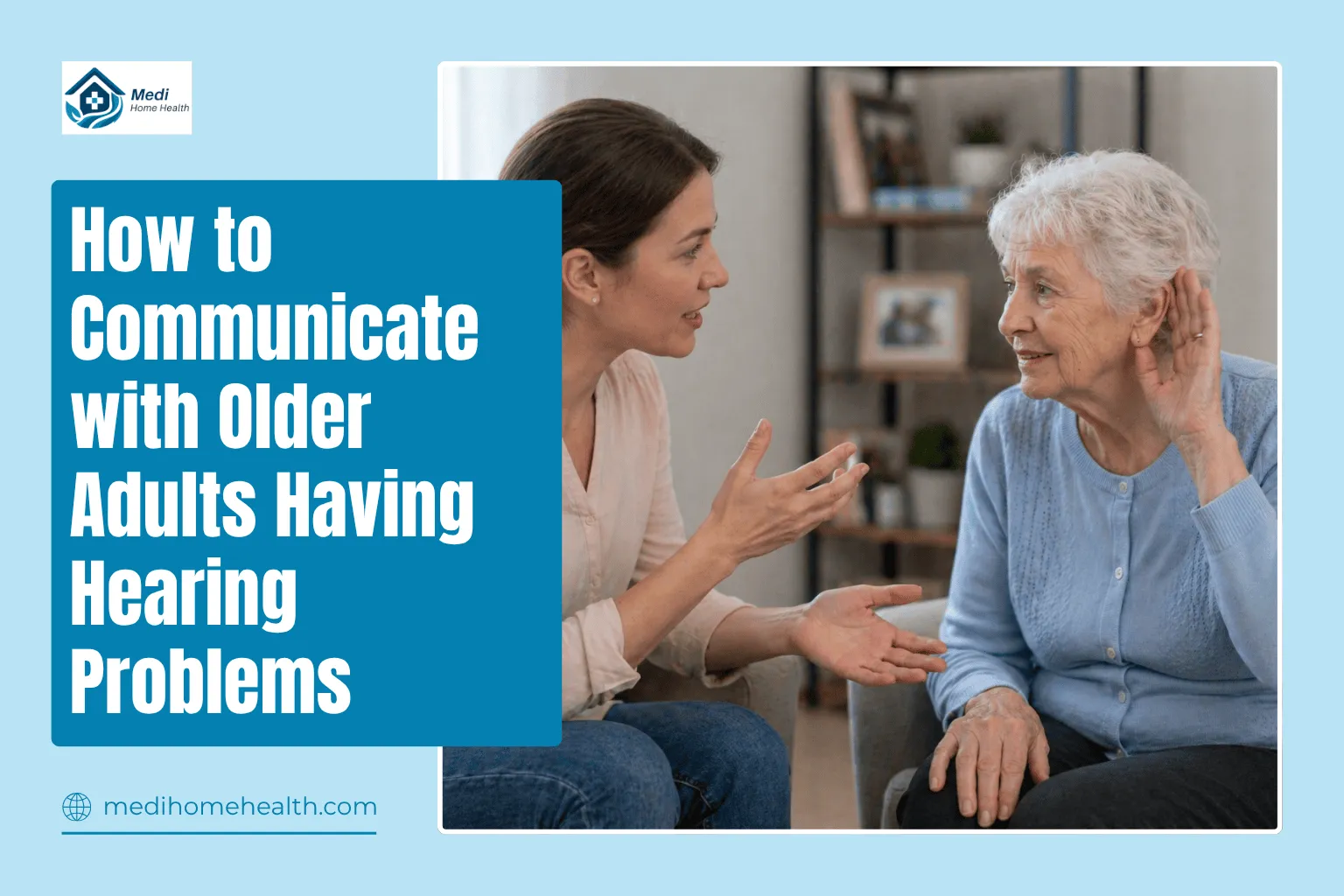
We often speak with others without giving it much thought, so meeting someone who finds everyday speech harder can feel unfamiliar at first. Still, talking with a person who has hearing loss does not need to be difficult. In fact, it can be just as natural and enjoyable as any other conversation. No expert sign language skills are needed.
You only need to remember a few useful tips.
#1 Stay Calm and Speak Normally
Many people try too hard when speaking with someone who is deaf or hard of hearing. Instead of talking clearly, they may start shouting. Some overdo lip movements, which can actually make lip reading harder. Others simplify every sentence too much, which may come across as rude.
Stay relaxed and handle it like a normal chat. Speak in your usual tone and avoid mumbling or hiding your mouth. Facial expressions and body language carry a lot of meaning, so use them naturally to help explain what you mean.
#2 Ask How They Like to Communicate
Each person has their own preferred way of communicating. Before starting a longer conversation, ask what works best for them. Do they use sign language? Can they lip read? Do they hear some sounds but not all clearly?
Let their preference guide the conversation and allow them to set the pace. It also helps to avoid slang, heavy jargon, or short forms. You do not need to oversimplify, but keeping your words clear and direct can make things easier.
#3 Face the Person While Speaking
For many deaf or hard-of-hearing people, one of the most frustrating things is when someone turns away while talking. Many depend on lip reading or facial cues, so looking elsewhere makes communication harder.
Always face the person when speaking and try not to move around too much. Do not cover your mouth or block your face with objects. Good lighting also helps, so avoid sitting in deep shadow or directly in front of bright lights. Keep background noise as low as possible.
#4 Keep the Conversation Clear and Organized
Before you begin speaking, make the topic clear. This gives the other person context and helps them follow along more easily.
If several people are talking together, take turns. Multiple voices at once can be confusing for anyone, and even more so for a person with hearing loss. Let one person finish before another starts. While talking, check now and then that everyone is following the discussion.
Remember the earlier point as well. Face the person with hearing loss, and include them directly in the conversation rather than only speaking to others nearby.
#5 Use Gestures and Expressions
Body language plays a major role in communication. This becomes even more helpful when talking with someone who is deaf or hard of hearing. Use hand movements, facial expressions, and natural gestures to support your words.
This may be as simple as pointing to an item you mean or showing size and direction with your hands. Over time, using gestures becomes easier and more natural. If something is not understood, try saying it another way. You can also write it down if needed.
#6 Ask If You Can Do Better
Try not to overthink the situation. Speaking with someone who has hearing loss may seem stressful at first, mostly because people worry about making mistakes. In reality, it is simply another conversation with a few small adjustments.
Do not hesitate to ask whether they understood you. More importantly, ask if there is a better way for you to communicate. Each person is different, and feedback helps you learn what works best.
Good communication is never only about speaking. It is also about listening and adapting.
Respect Goes a Long Way
When you stay patient, clear, and open-minded, communication becomes much easier. Small efforts such as facing the person, speaking naturally, and checking understanding can make a big difference.If your family needs dependable care at home, MediHomeHealth can help. We connect families with experienced in-home caregivers who provide personal support and companionship. Reach out today to learn more about care options in your area.
More Blogs You May Like

How Seniors Can Live Well with Chronic Pain or Illness
Chronic pain impacts a large number of older adults and often comes from arthritis, nerve issues, past injuries,...
Read More
What is Compassionate In-Home ALS Care for Seniors?
An ALS diagnosis can change daily life in major ways for both the individual living with the condition...
Read More
Do You Get What You Pay for in the Large Assisted Living Facilities
Alright, everyone, pull up a chair while we go through the top five reasons you or, let’s be...
Read More