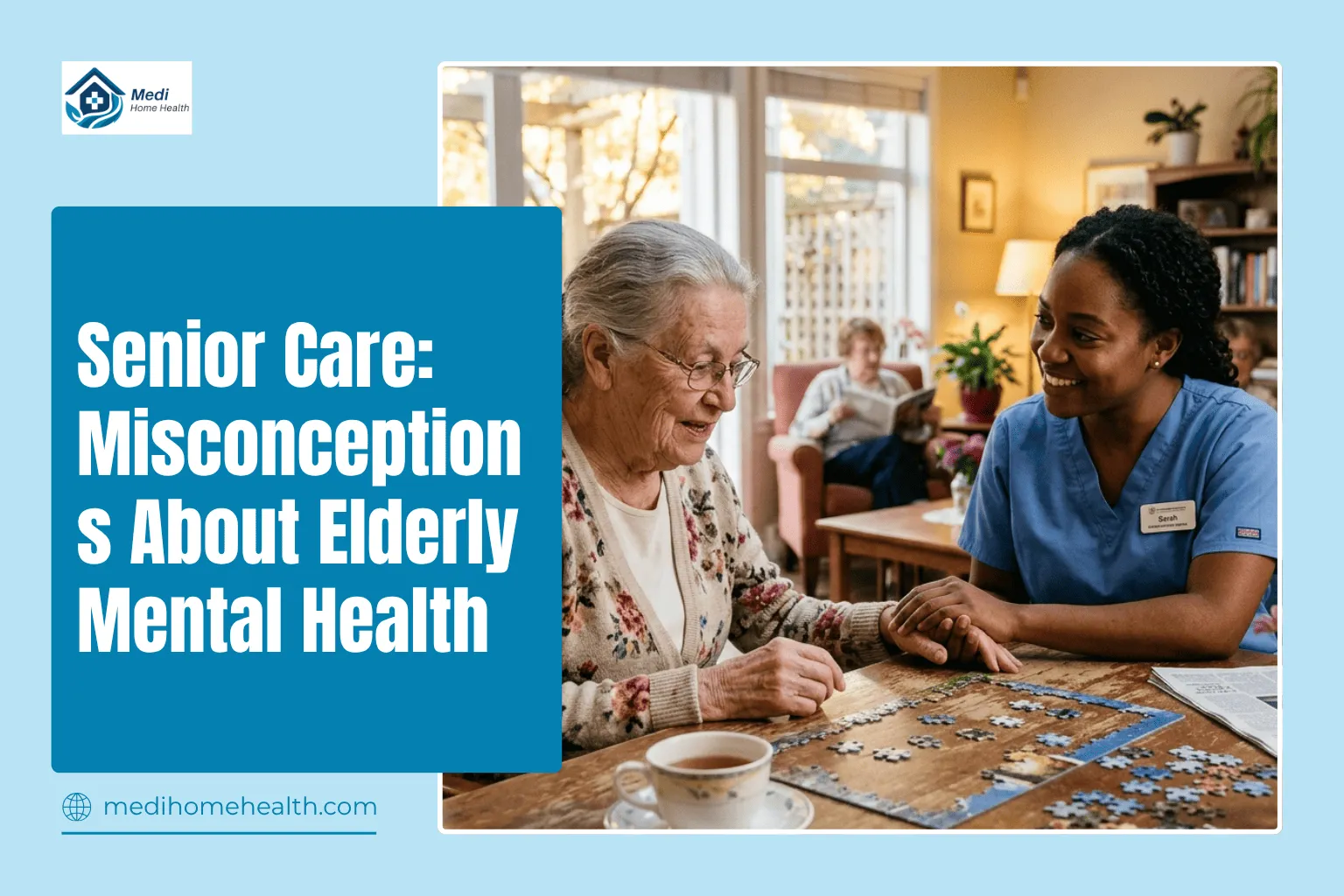
Today’s older adults have lived through decades of growing awareness about mental health. People now understand depression, anxiety, and similar conditions far better than in the past. Even so, several false beliefs about seniors still prevent many older adults from getting the care and support they deserve. Clearing up these misconceptions can help seniors protect their mental and emotional wellbeing at every stage of life.
1. Older Adults Can’t Improve Their Mental Wellbeing
Many people assume seniors are too fixed in their habits to make positive changes. Although older adults often enjoy familiar routines, it doesn’t mean they’re unable to adjust or benefit from treatment. If your aging loved one begins showing signs of depression or another mental health condition, encourage him or her to speak with a healthcare professional.
Maintaining good health and independence can become more difficult with age, but the right support can make a meaningful difference. Families can rely on professional elderly home care services to help seniors build healthy habits that support both physical and emotional wellbeing.
2. Seniors Are Too Old to Develop Substance Abuse Problems
Some people believe older adults should simply know better than to misuse alcohol or drugs, but addiction can affect people of any age. A senior may begin drinking to cope with loneliness or emotional pain. Others may become dependent on prescription medications or return to previous substance use. Offering understanding and appropriate treatment is far more helpful than blaming or criticizing them.
3. Older Adults Prefer Living in Isolation
Some seniors say they enjoy spending most of their time alone. While your loved one may appear comfortable staying home every day, regular social contact is still important for emotional health. Encourage opportunities to spend time with family, friends, or neighbors. If your loved one has a quiet personality, a friendly companion can provide enjoyable conversation and company without making social situations feel stressful.
For families living in Loudoun County and nearby communities, respite care can be an excellent option when an aging loved one needs companionship for a few hours each week or occasional help with household responsibilities. At MediHomeHealth, we focus on helping seniors remain independent while continuing to live comfortably at home.
4. Feeling Depressed Is Just Part of Growing Older
Many people mistake ongoing sadness as a normal part of aging. It’s also common to assume grief after losing a spouse, family member, or close friend will simply disappear with time. However, depression in older adults should never be ignored. If your loved one continues struggling for an extended period after a loss, professional evaluation and treatment may be needed.
5. Seeking Treatment Won’t Make a Difference
Some people wrongly believe there’s little value in treating mental health concerns later in life. In reality, receiving proper care can greatly improve a senior’s quality of life. For instance, an older adult coping with depression after losing mobility may once again enjoy volunteering, spending time with family, and participating in meaningful activities after receiving the right support.
6. Personality Changes Are Inevitable with Age
Families sometimes assume irritability, anger, or rude behavior naturally comes with getting older. While occasional mood changes can happen, ongoing behavior changes may point to conditions such as depression, dementia, or another medical issue. Identifying and treating the underlying cause may help your loved one regain the positive personality family members have always known.
In Loudoun County and Virginia area, MediHomeHealth can provide valuable support for older adults and their families. With assistance from the caregivers at MediHomeHealth, seniors can enjoy healthier, happier lives at home. Our Balanced Care Method encourages nutritious eating, regular physical activity, social engagement, and other healthy habits that support overall wellbeing. Whether your loved one needs hourly assistance or live-in care, call us today at +1 (253) 565-2365 to learn more about our personalized in-home care services.
More Blogs You May Like
How to Talk with Family About a Senior Loved One’s Care Needs
Talking about an older family member’s care requirements can be difficult and emotional for everyone involved. Whether support...
Read More
How Live-In Care Works and What Live-In Caregiver Does?
If you or a family member needs round-the-clock support but would prefer to stay at home, live-in care...
Read More
Non-Motor Symptoms of Parkinson’s Disease in Seniors
When a family member is living with Parkinson’s disease, daily life can begin to change in ways you...
Read More