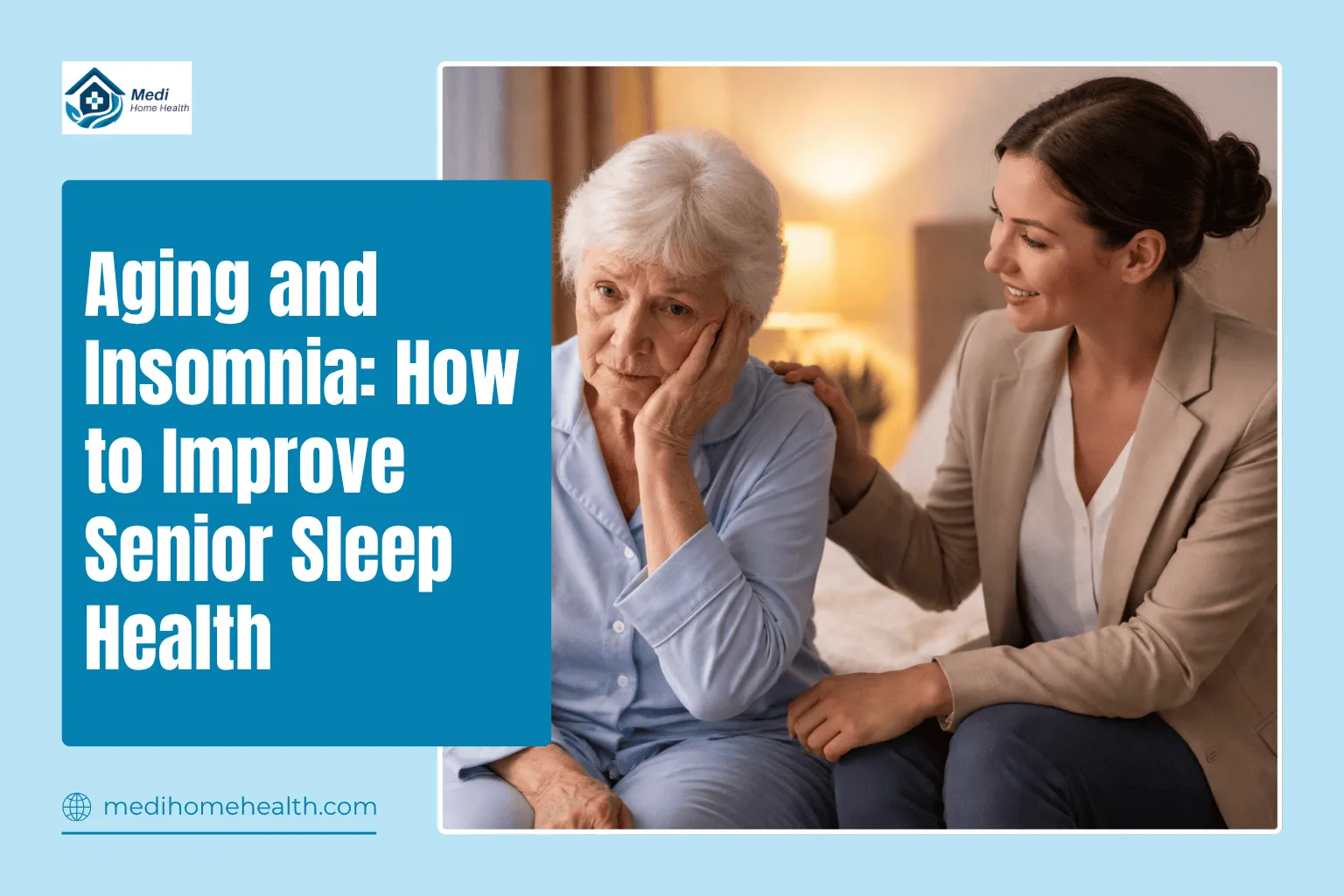
Quality sleep is important for both physical and mental health at every stage of life. In older adults, proper rest supports the immune system, heart function, and thinking skills. Ongoing insomnia can harm the body and brain, increasing the risk of cognitive decline and long-term illnesses such as heart disease, diabetes, and depression. The good news is that sleep concerns can be treated, and many seniors can receive help for insomnia and other sleep problems through medical providers and in-home care support.
Common Reasons Seniors Experience Insomnia
Health professionals advise adults to aim for seven to nine hours of sleep each night. For many older adults, however, reaching this goal can be difficult. Many seniors report trouble falling asleep, waking up repeatedly during the night, or rising much earlier than they did in earlier years.
A number of factors can contribute to sleep problems in older adults, including:
1. Circadian Rhythm Shifts
The body’s internal clock often changes with age. Seniors may become sleepy earlier in the evening and wake earlier in the morning than before. Deep sleep stages also become shorter over time. These changes can interrupt normal sleep patterns and increase insomnia
2. Environmental Influences
Loud surroundings, uncomfortable bedding, or changes in lighting can also disrupt sleep..
3. Chronic Pain
Pain-related conditions, such as arthritis, can make it hard to get comfortable in bed and may cause frequent awakenings at night.
4. Low Activity Levels
Physical movement during the day supports better rest, yet some older adults may not get enough exercise to promote healthy sleep.
5. Medical Conditions
Long-term health issues including heart disease, high blood pressure, dementia, sleep apnea, and restless leg syndrome can interfere with restful sleep in seniors.
6. Medications
Many prescription medications carry side effects that disturb sleep, including diuretics, antidepressants, antihistamines, and beta-blockers.
7. Emotional Factors
Depression, anxiety, and ongoing stress can make it challenging to fall asleep or remain asleep through the night.
8. Poor Bedtime Habits
Irregular bedtimes, daytime naps, and stimulating activities like watching television before sleep can make falling asleep more difficult.
How Ongoing Insomnia Affects Senior Health
In addition to feeling tired or moody after a restless night, long-term insomnia can affect overall health and quality of life. Chronic sleep loss may contribute to:
- Higher risk of chronic illness: Conditions such as heart disease, stroke, cancer, diabetes, and obesity are more common among individuals with persistent insomnia. Poor sleep can also worsen existing health concerns in older adults.
- Depression and anxiety: Ongoing sleep trouble can lead to or worsen mental health conditions, including depression and anxiety.
- Greater fall risk: Sleep problems may cause fatigue and reduced balance, increasing the chance of falls and related injuries.
- Reduced immune strength: Inadequate rest weakens the body’s defense system, making seniors with insomnia more likely to become ill and to recover more slowly than those who sleep well.
- Decline in thinking ability: Lack of sleep can reduce memory, focus, and decision-making skills, raising the likelihood of dementia over time.
Managing Insomnia in Older Adults
Treating insomnia in seniors often calls for a broad plan that combines medical care, emotional support, and daily habit changes. When sleep issues are addressed early and thoroughly, seniors can see meaningful improvement in both sleep quality and overall rest.
1. Daily Habit Adjustments That Support Restful Sleep
In many situations, simple changes in daily routines can improve both the length and quality of sleep. These steps may include:
- Setting a consistent bedtime: Going to sleep and waking up at the same time each day helps regulate the body’s internal clock.
- Sleep Tracker: Track daily habits or patterns that may interfere with rest. Sharing this record with a doctor can help create a focused sleep plan.
- Regular movement: Daily exercise like walking or swimming may help older adults fall asleep faster and remain asleep longer.
- Reducing naps: Keep naps to about 30 minutes and avoid resting late in the afternoon or evening.
- Relaxation practices: Calming activities before bed, such as a warm bath, gentle breathing exercises, or quiet reading, can prepare the mind and body for sleep.
- Limiting certain drinks: Reduce or avoid caffeine and alcohol, as both can interrupt normal sleep cycles.
2. Medical and Therapeutic Support for Sleep Problems
At times, lifestyle adjustments alone may not be enough to resolve insomnia. Health professionals may suggest treatments or therapies designed to improve sleep in seniors, such as:
- Medications: In some cases, sleep aids may be prescribed, though they should be used carefully due to possible side effects.
- Counseling: Professional therapy can address underlying concerns such as depression or anxiety that disrupt rest. It may also help older adults manage stress and adjust to physical and emotional changes linked to aging.
- Cognitive behavioral therapy: Cognitive-behavioral therapy for insomnia (CBT-I) focuses on changing habits and thought patterns that interfere with healthy sleep.
How In-Home Care Can Help Improve Sleep
In-home caregivers can play an important role in supporting seniors who struggle with insomnia. By identifying possible causes and offering reassurance, caregivers can help older adults feel more secure and supported. In-home caregivers may assist with better sleep by:
- Creating consistent routines: Caregivers can support healthy sleep habits by helping maintain steady bedtimes and calming evening routines.
- Attending medical visits: Caregivers can accompany seniors to appointments to discuss sleep concerns with healthcare providers.
- Encouraging safe exercise: Gentle, senior-friendly physical activity can improve sleep quality.
- Preparing balanced meals: Caregivers can help plan meals that support good nutrition and avoid habits that interfere with sleep, such as caffeine late in the day or heavy meals before bedtime.
- Offering companionship: Emotional support and regular social interaction can reduce loneliness, which may improve mental health and sleep.
- Improving bedroom safety: Removing tripping hazards and adjusting lighting can make the sleep space safer and more comfortable.
- Providing overnight assistance: Nighttime care can be especially helpful for seniors with chronic conditions such as dementia that disturb sleep patterns.
- Overseeing medications: When sleep medications are prescribed or adjusted, caregivers help ensure they are taken correctly.
MediHomeHealth works with a holistic senior care approach, including attention to healthy sleep habits. Sleep is viewed as a key part of overall well-being. Caregivers receive training to encourage healthy routines and provide support that promotes more restful nights.
Sleep problems are common in later life, but they are not an unavoidable part of aging. Identifying the causes and addressing them through medical care, therapy, and daily routine changes is important for long-term health. With support from trained in-home caregivers, seniors can work toward better sleep and improved quality of life. Contact MediHomeHealth to learn more about how our care services and support options can assist you or your loved one.
More Blogs You May Like

How to Talk with Family About a Senior Loved One’s Care Needs
Talking about an older family member’s care requirements can be difficult and emotional for everyone involved. Whether support...
Read More
How Seniors Can Live Well with Chronic Pain or Illness
Chronic pain impacts a large number of older adults and often comes from arthritis, nerve issues, past injuries,...
Read More
Inflammaging: How Chronic Inflammation Can Affect Senior Health
If you've never dealt with chronic inflammation yourself, you may not realize how much it can affect your...
Read More