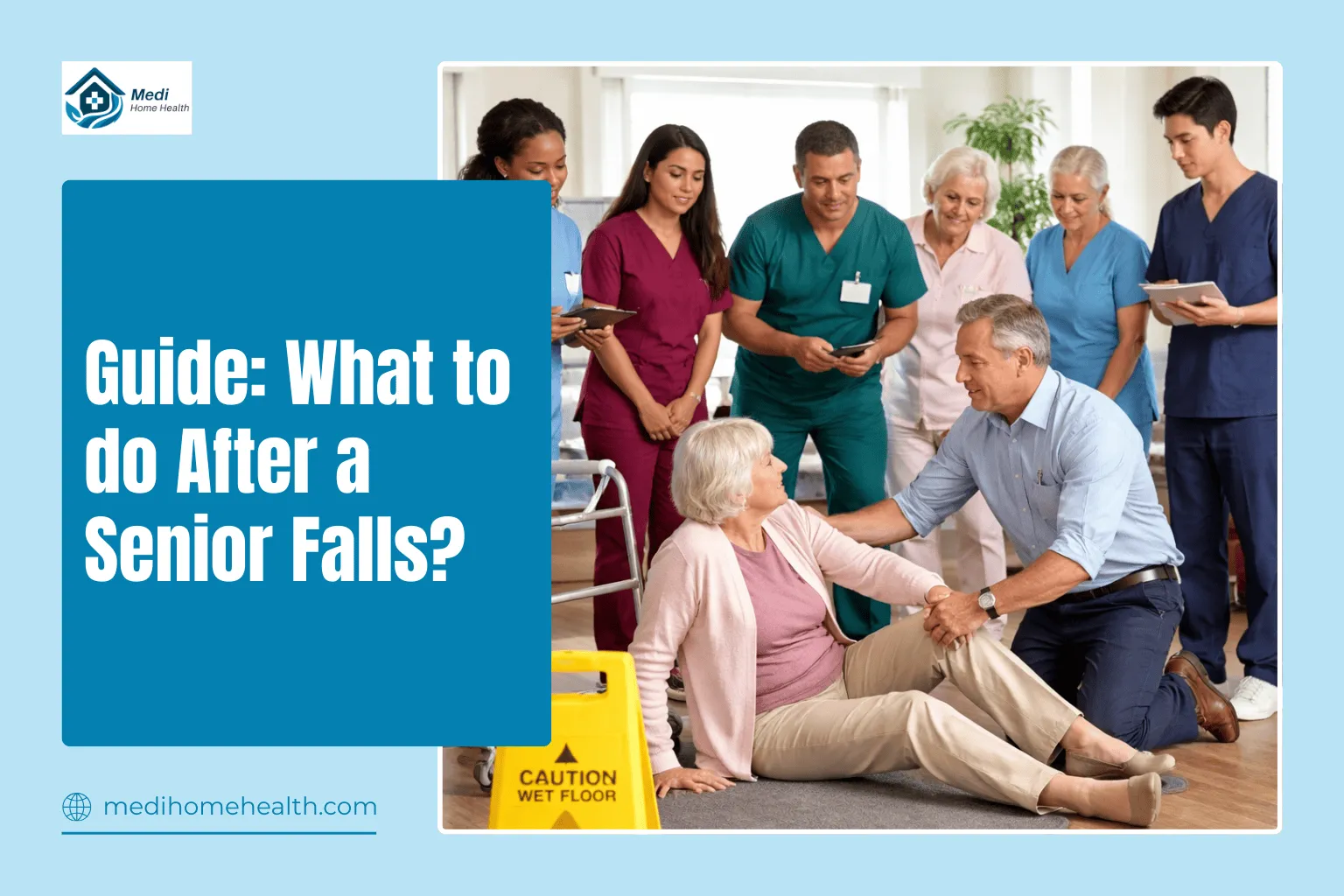
Each year, close to 3 million seniors experience a fall serious enough to require a trip to the emergency room. In 2019, falls led to more than 34,000 deaths, making them the top cause of injury-related death among adults age 65 and older. Even with these alarming numbers, many families do not focus on fall prevention or recovery until a loved one is hurt.
If an older parent or someone close to you has recently fallen, you may feel unsure about what steps to take next. How can you confirm they are truly safe? What changes can help them remain at home and lower the risk of another fall? There is no single answer that works for everyone, but there are practical actions that can reduce the chance of a repeat accident. Think of the following steps as a guide to move forward.
1. Schedule a Full Medical Checkup to Find the Cause of the Fall
About one in five falls results in a serious injury, such as a broken hip or head trauma. Treating the injury comes first, but the next important step is setting up an appointment with the person’s primary doctor or a geriatrician, a physician trained in older adult care.
Determining the root cause of the fall is the single most important thing when an aging adult falls. This means identifying why the fall happened so that similar events can be avoided in the future.
Several long-term health conditions are linked to falls, including arthritis, Parkinson’s disease, diabetes, and neuropathy, which often causes numbness in the feet or legs. Other common contributors include poor vision, inner ear issues that lead to vertigo, and orthostatic hypotension, a drop in blood pressure that occurs when an elder stands up quickly
Low iron levels, thyroid disorders, lack of fluids, and bladder control problems that cause urgent bathroom trips can also raise fall risk. Some seniors also experience frailty syndrome, a condition marked by reduced muscle strength, lower endurance, and decreased overall fitness, which makes falling more likely.
In many cases, more than one issue plays a role in a fall, so it is important to uncover as many factors as possible. A doctor should complete a detailed physical exam that includes checking walking pattern and balance. Alzheimer’s disease and other forms of dementia may affect movement, coordination, or stability. Cognitive ability should also be reviewed using a screening tool such as the Mini-Mental State Examination, and these evaluations should always be performed by a trained professional.
2. Review All Medications and Watch for Side Effects
Even if a drug reaction like dizziness did not clearly cause the fall, this is a good time to arrange what is known as a comprehensive medication review with a pharmacist. Polypharmacy, the use of multiple medications at the same time, is connected to balance and mobility problems. Nearly 23 percent of older adults take five or more medications daily, and this increases the risk of harmful drug reactions that may lead to falls.
A comprehensive medication review is a detailed session, either in person or virtual, with a pharmacist. During this meeting, the pharmacist examines possible side effects, checks for drug interactions, and considers whether each medication is still necessary or if dosage changes are needed. Despite its value, only a small number of seniors receive this type of review. Speak with your pharmacist about setting up an appointment for your loved one as soon as possible.
3. Support Your Loved One in Managing Health Concerns
The right plan to lower fall risk will depend on the individual. Still, there are several practical actions families can begin right away:
- Speak with your loved one’s doctor about adjusting medications if side effects such as dizziness, fatigue, or sudden blood pressure shifts are present.
- Encourage consistent use of a cane, walker, or other mobility aid for added stability.
- Arrange sessions with a physical or occupational therapist to strengthen muscles and improve balance and stamina.
- Check that eyeglass and hearing aid prescriptions are current and working well.
- Look into an ankle-foot orthotic device, sometimes called an orthosis, which is a brace that supports posture and balance.
- Register your loved one for a local senior exercise class like tai chi or yoga that focuses on steady movement and coordination. Studies show that older adults who stay active have a lower risk of falling.
- Consider enrolling them in a structured fall prevention course.
- Bring in a home care assistant, such as a senior companion from MediHomeHealth, so walks and daily activities are not done alone.
- Make changes at home by adding handrails or grab bars to improve safety.
4. Arrange a Professional Home Safety Review
About six in ten falls occur inside the home, so having a trained professional perform a full safety check is a smart step. If you prefer to complete the review yourself, follow a structured checklist, such as the one provided by the CDC, to stay organized.
When reviewing a home for fall risks, the focus should be on checking for secure handrails, proper lighting, and potential tripping hazards such as loose rugs or exposed cords. Clutter, particularly on floors and around staircases, should be cleared to create safer pathways. Adding non-slip mats in bathrooms and installing grab bars near toilets and showers can further reduce risk. Rearranging furniture may also help open up walking areas and make movement throughout the home easier and safer.
Do not hesitate to seek extra support, since a group effort often works best. Research from Johns Hopkins University showed that when a nurse, an occupational therapist, and a handyman worked together in the home to install safety items such as grab bars, individuals experienced better daily function.
5. Address the Fear That Follows a Fall
Experiencing a fall can be frightening, and many older adults naturally want to avoid another incident. The difficulty arises when fear leads to reduced movement. Some individuals may fall into a pattern of fear and avoidance, causing them to reduce their daily movement. Over time, this decrease in activity can weaken muscles, lower stamina, and reduce independence, which in turn raises the likelihood of future falls.
To help break this pattern, focus on rebuilding confidence and physical ability. Enrolling your loved one in a supervised exercise class for seniors, such as tai chi or yoga, can improve balance and strength. Encourage regular use of support tools like canes and grab bars to increase safety and reassurance.
If anxiety about falling remains severe, cognitive behavioral therapy (CBT) may provide relief. Research indicates that CBT can lessen fear of falling and improve stability in older adults. This form of talk therapy teaches individuals to recognize and adjust negative thoughts that may influence their actions. Speak with a physician for a referral or visit locator.apa.org to find a nearby therapist, ideally one experienced in working with older adults.
Considering Home Care for Your Family?
Our team is available to review your options and help you choose a plan that matches your loved one’s needs and your budget. Call us or reach out MediHomeHealth online, and we will respond within 24 hours to discuss the next steps.
More Blogs You May Like

24-Hour Home Care vs. Live-In Care: Which Choice Is Best for Your Loved One?
The biggest difference between 24-hour home care and live-in care depends on what happens overnight. With 24-hour care,...
Read More
Common Ways Aging Can Affect Brain Function in Seniors
Growing older brings changes throughout the body, and the brain is often one of the first areas where...
Read More
Easy Ways to Add Soy to a Senior’s Diet
Research has highlighted the many nutritional benefits of soy. While it is commonly included in vegetarian and vegan...
Read More