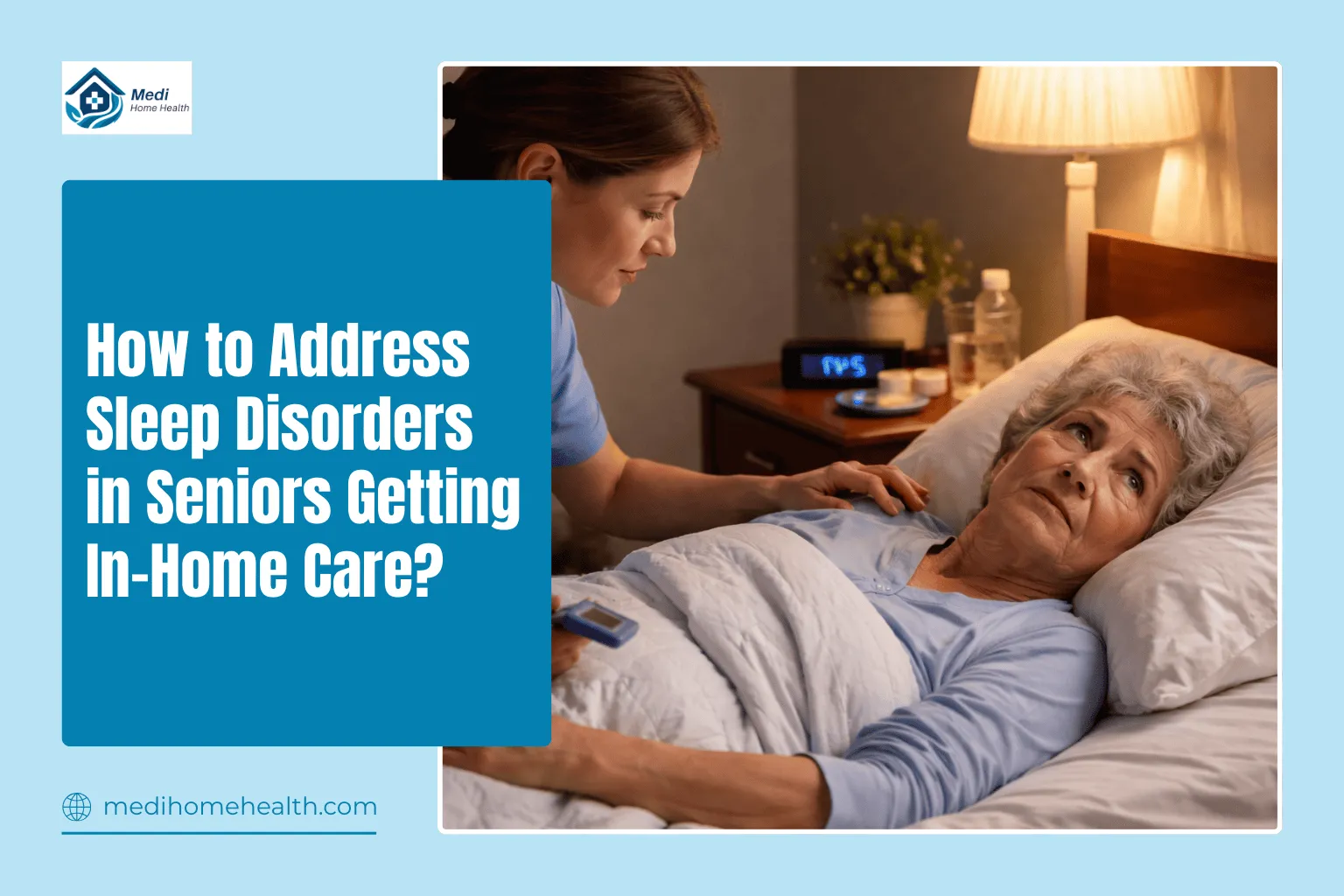
Sleep problems play a major role in the health and daily comfort of older adults. Poor rest affects thinking, emotional balance, and the body’s ability to recover. In-Home care services are well positioned to support healthy sleep through structured routines and attentive care. Quality sleep allows residents to stay involved, connect with others, and manage daily activities with more energy.
As people grow older, restorative sleep becomes even more important. Many seniors deal with broken or shortened sleep due to health issues or natural changes linked to aging. Supportive care in In-Home care can reduce sleep disruptions by using practical and personalized approaches. These efforts often lead to noticeable improvements in comfort, function, and overall quality of life.
Understanding Sleep Challenges Common in Older Adults
Sleep conditions such as insomnia, sleep apnea, and restless legs syndrome are widespread among seniors. Insomnia alone affects nearly half of older adults, according to the American Academy of Sleep Medicine. Breathing interruptions and nighttime movement issues further weaken sleep quality and increase fatigue. Identifying the exact concern helps guide the most appropriate care plan.
Sleep apnea is frequently overlooked despite its serious effects on rest and health. Loud snoring or sudden awakenings during the night may indicate obstructed breathing. Spotting these signs early helps ensure residents receive proper testing and follow-up care. Treatments like CPAP therapy often improve oxygen flow and daytime alertness.
Restless legs syndrome creates uncomfortable sensations that prompt movement, especially during nighttime hours. Many seniors report trouble falling asleep or waking often due to leg discomfort. Early identification allows for timely treatment options that improve rest. Managing this condition usually leads to better sleep and reduced frustration.
Long-term pain and certain medications may also disrupt sleep patterns. Pain relievers or medications that increase urination can cause frequent awakenings. Routine medication reviews in assisted living help uncover these contributors. Coordinated care supports both medical needs and healthy sleep.
Designing an Environment That Encourages Rest
A supportive sleep setting can greatly lower the impact of sleep disorders. Exposure to natural light during the day and low lighting at night helps regulate the body’s internal clock. Quiet, cool spaces reduce sleep interruptions and promote deeper rest. Thoughtful room design supports comfort and ease for older adults.
Supportive mattresses and proper pillows help ease pressure and discomfort. Bedding should match personal preferences for warmth and texture. Comfortable sleep surfaces reduce tossing and turning during the night. Care teams should regularly review bedding needs and adjust based on resident input.
Controlling noise and limiting overnight disturbances is essential for good sleep. Sound machines or ear protection may help those sensitive to background noise. Stable nighttime routines and mindful staff practices also contribute to better rest. Calm surroundings make it easier for residents to relax and fall asleep.
Encouraging a consistent bedtime routine strengthens healthy sleep habits. Gentle stretching, calming music, or relaxation exercises can help residents unwind. Avoiding caffeine or stimulating screens late in the evening further supports rest. Predictable routines often reduce anxiety and improve sleep onset.
Lifestyle and Behavioral Approaches to Better Sleep
Daily activity has a strong connection to sleep quality and fewer nighttime issues. Group exercise, walking programs, or gentle movement classes improve physical health and nighttime rest. Active residents often report less daytime fatigue and better sleep continuity. Regular movement supports a stable sleep cycle.
Diet also influences sleep patterns. Reducing fluids in the evening can limit nighttime bathroom trips. Light snacks and caffeine-free drinks earlier in the evening promote comfort and digestion. Staff guidance on meal timing helps residents make choices that support sleep.
Stress management techniques are helpful for seniors dealing with worry-related sleep issues. Breathing exercises, guided relaxation, and mindfulness practices calm the mind before bedtime. Journaling or reading can shift attention away from anxious thoughts. Regular use of these tools supports emotional balance over time.
Managing daytime naps can improve nighttime sleep depth. Short naps earlier in the day may be refreshing without disturbing rest later. Educating residents on smart napping habits supports healthier sleep routines. Care teams can guide residents toward balanced daytime rest.
Clinical and Therapeutic Support Options for Elderly
Some sleep conditions require medical treatment, especially sleep apnea or ongoing insomnia. Referrals for sleep studies help ensure accurate diagnosis and care planning. CPAP therapy for apnea improves breathing and reduces daytime tiredness. Medically guided treatment often leads to better sleep and improved health.
Non-drug therapies such as cognitive behavioral therapy for insomnia offer lasting benefits. CBT-I helps seniors change habits and thoughts that interfere with sleep. Research shows it can shorten the time needed to fall asleep and improve sleep duration. In-home care teams can coordinate with specialists to include this therapy.
Supplements like melatonin may support sleep timing for some older adults. Medical oversight ensures correct use and safe dosing. Sleep aids should always be reviewed by healthcare providers. Careful monitoring helps prevent dependence and unwanted side effects.
Comfort tools such as white noise devices or weighted blankets may ease anxiety-driven sleep problems. Weighted blankets can provide a calming sense of security. These tools offer additional comfort when used correctly. Professional guidance ensures safe and appropriate use.
Tracking Outcomes and Making Ongoing Improvements
Monitoring sleep patterns helps evaluate whether care strategies are effective. Sleep logs, wearable devices, and resident feedback provide useful insight. Regular tracking highlights what works best and where changes are needed. Ongoing review supports better sleep outcomes.
Clear communication among residents, families, and care teams strengthens care planning. Encouraging residents to share experiences builds trust and cooperation. Shared problem solving leads to practical adjustments over time. Resident-centered changes tend to be more effective and lasting.
Continued staff education supports consistent sleep care practices. Training in sleep hygiene, environmental adjustments, and support tools improves care quality. Awareness helps prevent setbacks and supports steady progress. Ongoing learning strengthens the overall focus on sleep health.
Routine reassessment helps identify new sleep concerns early. As health conditions change, sleep needs may also shift. Regular review ensures care plans stay relevant and helpful. Proactive attention supports long-term improvements in rest.
Experience Customized Sleep Support at MediHomeHealth
Focused efforts to reduce sleep problems improve comfort, mental clarity, and overall well-being for residents. Combining supportive spaces, daily habits, clinical care, and regular monitoring creates a strong foundation for healthy sleep. Well-rested residents are more engaged, confident, and able to enjoy community life. Families can feel confident knowing their loved ones receive thoughtful and informed sleep support.
MediHomeHealth offers experienced teams who build personalized sleep plans using therapy, environmental changes, education, and health monitoring. A strong focus on nighttime wellness reflects a commitment to both physical and emotional care. Contact MediHomeHealth to learn how personalized sleep supportcan improve rest and quality of life for your loved one.
More Blogs You May Like

How Seniors Can Live Well with Chronic Pain or Illness
Chronic pain impacts a large number of older adults and often comes from arthritis, nerve issues, past injuries,...
Read More
What Does a Live-in Caregiver Need?
Providing a separate bedroom for a live-in care aide is essential. This area serves as their personal space...
Read More
Understanding How Traumatic Brain Injuries Affect Older Adults
When a senior receives a hard blow to the head, there may be no visible cut or bruise....
Read More