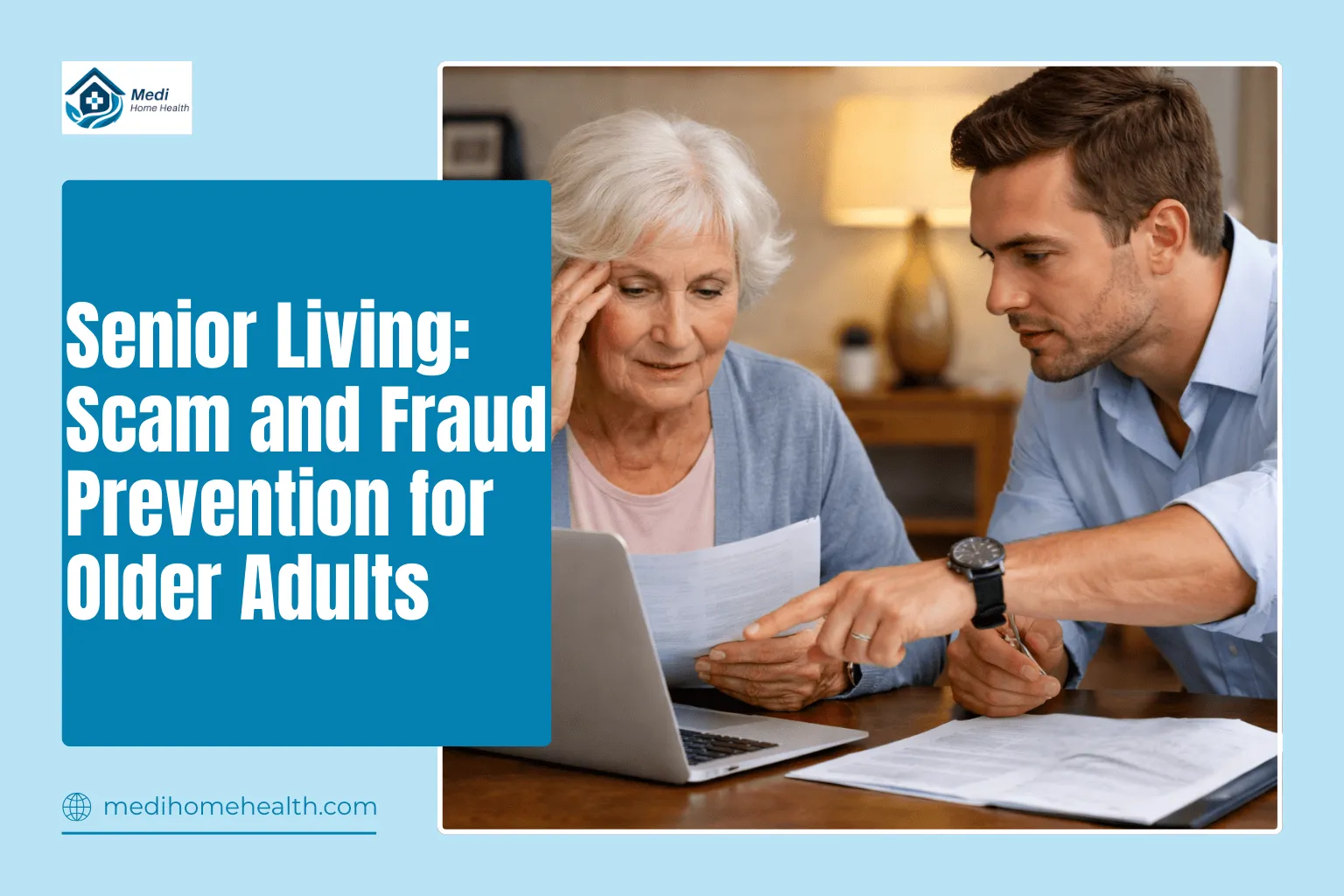
Financial abuse is an increasing problem for older adults, often causing serious consequences. As people age, they can be more at risk for scams due to isolation, cognitive changes, or limited familiarity with modern technology. Identifying and addressing these risks is key to protecting their well-being. Being aware of scam types and taking preventative steps can greatly reduce the chance of financial harm. Assisted living communities play a vital role in raising awareness and safeguarding residents. By creating a cautious and informed environment, staff can guide seniors through the challenges of modern fraud. Education and consistent support help strengthen defenses, improving overall safety.
What are Some Common Senior Scams?
Fraudsters frequently target seniors with schemes designed to take advantage of their trust and finances. Examples include pretending to be government agents, offering fake investments, or making misleading tech support calls. These scams often appear genuine, making it hard for seniors to tell the difference. Learning to recognize these scams is the first step in staying safe. Another common tactic is fraudsters posing as worried family members asking for urgent money. This can pressure seniors to act without checking facts. Families maintaining open lines of communication can prevent such issues. Seniors should be advised to verify any unexpected requests directly with relatives. Investment scams promising high returns with little risk can be especially appealing. They often use confusing terms and urgency to push decisions. Consulting a trusted financial advisor before committing funds is essential. Tech support scams are also increasingly sophisticated, with scammers asking for remote access to devices, risking personal information and money. Seniors should use only verified service providers, and regular digital literacy sessions can help build confidence.
Emotional and Psychological Effects of Scams on Seniors
Being tricked can have deep emotional effects, such as guilt, shame, or low self-esteem. These feelings may cause withdrawal from social interactions and hesitation in reporting the incident. Creating a supportive environment where seniors feel safe talking about experiences is important. Offering reassurance and encouragement can help them recover emotionally. Fear of losing independence may stop some from admitting they were scammed, worrying family members will question their judgment. Open conversations emphasizing support instead of criticism can ease these worries. Frequent scam attempts can also increase anxiety and distrust, affecting overall quality of life. Stress, sleep issues, and constant alertness are common outcomes. Providing counseling and stress management resources is essential to mitigate these effects. Assisted living communities should develop programs addressing emotional well-being alongside scam prevention. Group sessions and counseling give seniors safe ways to share experiences and coping strategies. Promoting a supportive community strengthens resilience and fosters a sense of control.
Preventing Senior Scams
Education is a key defense against scams. Regular sessions can update residents on common tactics and safety practices. Interactive workshops help seniors retain information and make informed choices. Encouraging skepticism toward unexpected calls or emails is critical. Seniors should verify identities before sharing personal details, and checklists or guides can be helpful. Stressing the importance of avoiding rushed decisions is important. Technology safeguards, like call-blocking and secure online habits, reduce risk. Training on using these tools can increase confidence and effectiveness. Working with tech specialists to provide personalized help can address specific concerns. Family involvement adds another layer of protection. Trusted contacts and power-of-attorney arrangements allow monitoring of financial activity. Open communication about money matters can prevent scams and build a reliable support network.
Assisted Living’s Role in Protecting Residents
Assisted living facilities are well-placed to run programs that prevent scams. Training staff to spot financial exploitation allows for quick intervention. Clear protocols for reporting and handling scams are necessary to reduce risks. Creating a culture where residents feel comfortable sharing suspicious activity without fear of judgment is vital.
Regular meetings or forums let residents share concerns and experiences. Peer groups encourage community vigilance, allowing seniors to support each other. Partnering with law enforcement and consumer protection agencies strengthens prevention efforts. Hosting educational sessions and sharing materials from these organizations provides valuable insights. Staying informed about new scam tactics ensures timely guidance. Integrating financial safety education into wellness programs emphasizes its importance. Encouraging ongoing discussion promotes awareness and reinforces the message that scam prevention is part of daily life.
Responding and Recovering from Scams
Quick reporting of scams is critical to limit financial damage and prevent repeated incidents. Seniors should be guided to inform facility staff, family, and appropriate authorities. Clear instructions and support during reporting reduce stress. Emphasizing that reporting is responsible helps seniors take action confidently. Assisted living communities can assist in recovery, providing access to financial counseling and legal help to reclaim losses. Emotional support, including counseling, can address feelings of violation and distress. Documenting incidents is important for investigations and future prevention. Protocols for detailed records and sharing information with relevant parties can reveal patterns and inform protective strategies. Educating seniors on steps to take when a scam is suspected empowers them to act quickly. Providing checklists, contacts, and role-playing exercises builds confidence in handling scams effectively.
Strengthening Protections Against Senior Scams
Preventing financial exploitation requires a combined approach of education, vigilance, and support. Assisted living communities are key to putting safeguards in place and promoting awareness that discourages scams. Giving residents knowledge and resources greatly lowers their risk of being deceived. Senior Care facilities focus on keeping residents safe, offering programs that combine education, monitoring, and ongoing support to ensure financial security.
Protecting Seniors at Home with MediHomeHealth
With MediHomeHealth In-Home care, seniors can enjoy the peace of mind that comes from staying in the comfort of their own homes while receiving personalized support. Our in-home care services include education, guidance, and monitoring to help prevent scams and financial exploitation. Unlike facility-based programs, our one-on-one approach ensures attention is tailored to each individual’s needs. Families can feel confident knowing their loved ones are protected without relocating to an assisted living community. By combining safety, independence, and personalized care, MediHomeHealth empowers older adults to live securely and confidently at home.
More Blogs You May Like

Simple Ways Seniors Can Lower Their Risk of Emphysema
Emphysema is a common lung condition among older adults, making prevention an important part of healthy aging. Although...
Read More
How Gardening Heals Older Adults as a Stress Coping Mechanism
Many older adults turn to hobbies as a healthy way to reduce everyday stress. Gardening is one activity...
Read More
Are Cucumbers a Good Snack for Senior Loved Ones
Cucumbers are a refreshing and useful vegetable that grows in large quantities throughout the summer months. Because they...
Read More