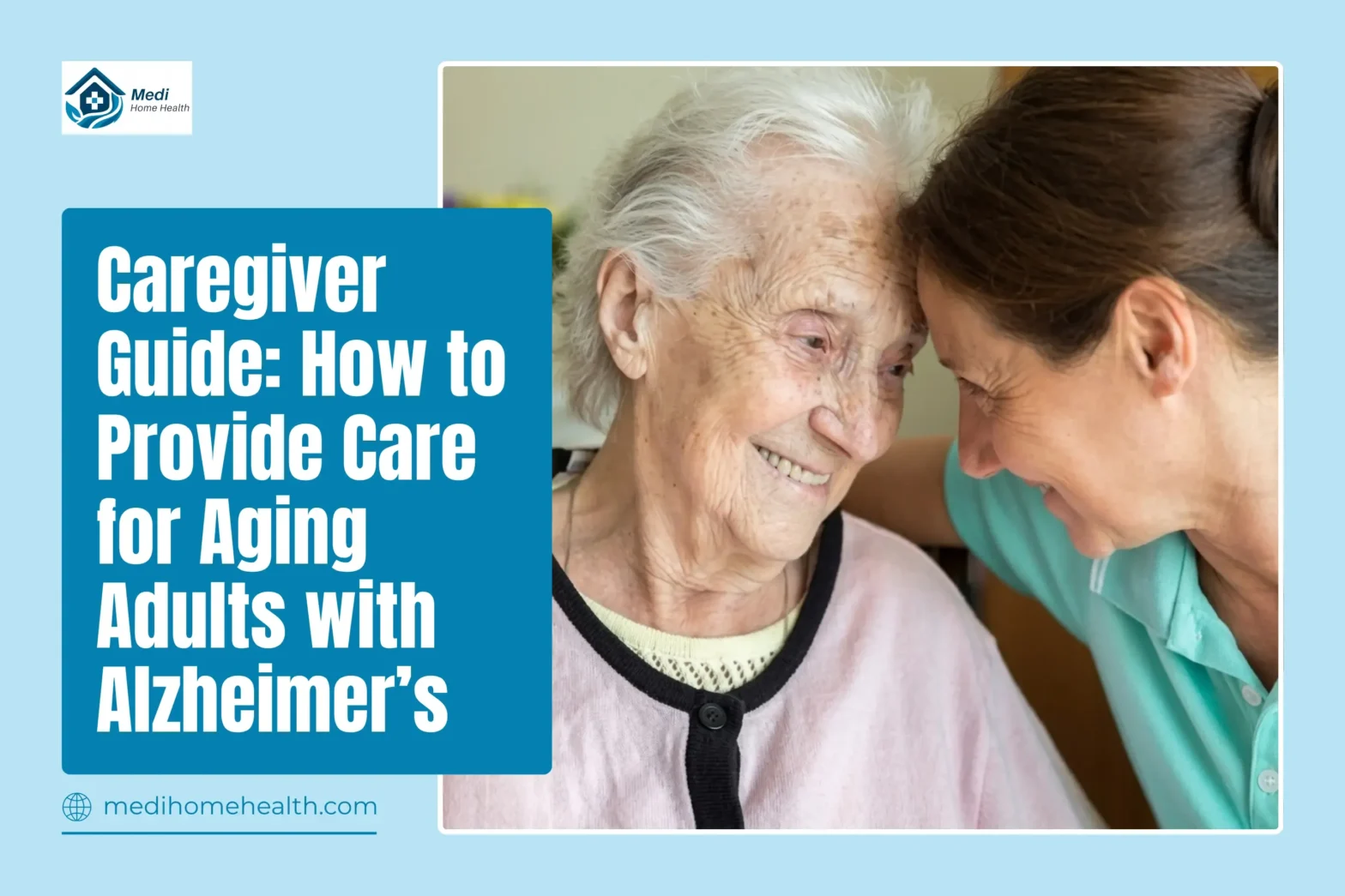
Looking after an aging parent with Alzheimer’s can bring meaningful moments, but it can also be difficult. As the condition advances, memory loss becomes more noticeable, and your loved one may begin showing behaviors that are unusual for them. With a few practical approaches, though, you can make daily care more manageable and less stressful.
1. Helpful Reminders in the Early Stage
During the early stages of Alzheimer’s, older adults can usually handle many everyday activities on their own. They may forget where they left belongings, when to take prescribed medicine, or which day an appointment is scheduled. Keeping calendars, written schedules, and simple reminder lists in visible places can help. Spoken prompts and automatic medication dispensers can also help make sure medicines are taken at the proper time.
2. Support With Everyday Care
As Alzheimer’s advances, older adults may gradually lose the ability to manage basic personal tasks without help. They may need reminders about regular meals and assistance choosing or putting on suitable clothing. Some people may also fail to recognize when they need the bathroom, so encourage bathroom visits every few hours and provide support when needed. Help with bathing, brushing teeth, hair care, and other grooming tasks may also become necessary over time.
One important decision families need to make is when professional caregiving support may be appropriate. Families seeking reliable in-home care can contact MediHomeHealth for support. Options range from respite services to specialized care for Alzheimer’s, dementia, stroke, and Parkinson’s, giving seniors and their families help with different stages of daily care.
3. Protecting Your Loved One from Safety Risks
As the condition progresses, seniors with Alzheimer’s may forget familiar routes or become unable to find their way home. For this reason, trips outside the house should generally be made with a family member or another trusted person. A senior may also continue wanting to drive even after losing the ability to remember traffic rules or respond safely to road conditions, creating risks for everyone nearby.
An experienced professional caregiver can offer both supervision and companionship to a person living with Alzheimer’s. Families seeking assistance for older relatives can turn to MediHomeHealth, a provider of senior care in Loudoun County, VA. Custom care plans may include meal preparation, social and mental activities, personal hygiene support, and other everyday services based on the senior’s needs.
4. Managing Changes in Sleep
Over time, Alzheimer’s can affect a senior’s sense of the difference between daytime and nighttime. As a result, some older adults wake during the night and begin walking around the house or attempting to leave. Placing door locks higher up can make it harder for your parent to go outside alone at night. Motion sensors near the bed and exterior doors can also notify you when assistance may be needed. If your parent can walk safely, regular daytime walks and a simple exercise routine may help. Staying physically active during the day can support better sleep at night.
5. Changes in Vision and Perception
Alzheimer’s can affect areas of the brain beyond memory. As changes occur in the brain, the systems involved in vision and perception may also become affected. Seniors may eventually have difficulty telling similar colors apart or judging distances correctly. Strong color contrasts can sometimes appear confusing and may even look like openings or gaps in the floor. Keep walking areas free from objects and use night-lights in darker spaces to lower the risk of falls and other accidents.
6. Dealing With Sundowning
Later in the afternoon, changes in natural light can contribute to behavioral symptoms commonly called sundowning in people with Alzheimer’s. During this period, your loved one may become more irritable, suspicious, confused, or fearful. Keeping the home well-lit as daylight begins to fade may help reduce the sudden change in lighting and make the transition into evening easier.
7. Responding to Behavior Changes
At times, a senior with Alzheimer’s may refuse help with bathing, dressing, or other personal tasks. Instead of arguing or forcing the issue, step away and try again later. A loved one may also suddenly become upset, withdrawn, or angry because they are hungry, thirsty, uncomfortable, need the bathroom, or are dealing with another physical need. They may understand that something is wrong but struggle to explain it. Ask short, straightforward questions to help identify what may be causing the behavior.
Caring for an aging parent can be deeply meaningful, but the responsibilities can also become difficult to handle without support. Alzheimer’s may make ordinary activities harder for seniors, while families can also struggle when they have little experience with memory care. MediHomeHealth offers Alzheimer’s care to support seniors and their families living in Loudoun County and Virginia area. Its Cognitive Therapeutics Method is intended to support seniors living with Alzheimer’s and other memory-related conditions as they work toward better daily well-being. Whether your parent needs respite services or live-in care, call +1 (253) 565-2365 today.
More Blogs You May Like

Common Ways Aging Can Affect Brain Function in Seniors
Growing older brings changes throughout the body, and the brain is often one of the first areas where...
Read More
How Physical Therapy Supports Seniors in Long-Term Care?
As people grow older, staying physically active becomes more important for maintaining independence and day-to-day wellbeing. For individuals...
Read More
What Seniors Need to Know About Money and Debt
Debt can become a serious concern for adults over 65, particularly when retirement income is limited and everyday...
Read More