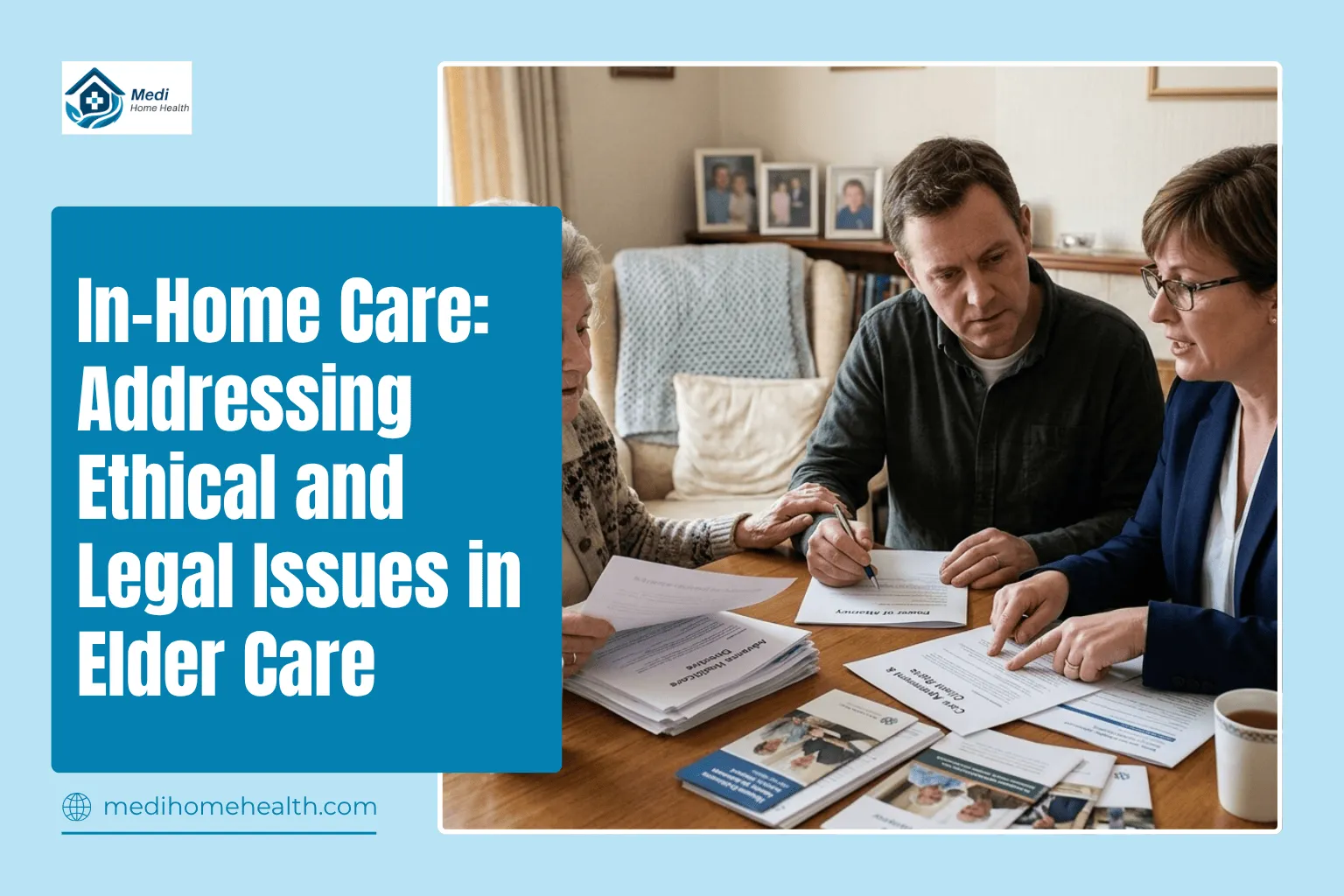
Navigating home-based senior care is not only about comfort and service quality, but also about knowing the legal rights and ethical duties involved. Care provided inside a senior’s home must follow clear legal rules and professional standards that protect both the caregiver and the older adult receiving support.
Understanding Patient Rights and Privacy Protection
A key part of in-home senior care is respecting each person’s rights and independence. Seniors are entitled to:
- Respect, privacy, and dignity during all stages of care
- Access to their health records and the ability to make decisions through advance instructions or chosen healthcare representatives when needed
Care providers and agencies must also follow legal rules such as the federal Health Insurance Portability and Accountability Act (HIPAA), which protects private health data. Breaking these rules can result in serious penalties, including fines or loss of caregiving licenses.
Following patient rights closely helps build trust and supports both emotional comfort and physical wellbeing.
Families often make important choices such as hiring a home caregiver to support safety and daily comfort. Those searching for reliable in-home care services in Loudoun County and Virginia can contact MediHomeHealth. From short-term respite care to specialized support for Alzheimer’s, dementia, stroke, and Parkinson’s, there are several ways to improve life at home for seniors and their families.
Caregiver Licensing and Legal Requirements
Hiring caregivers also requires attention to legal and licensing rules to ensure safe and proper care. Important areas include:
- Training and certification rules – Many regions require formal training or certification for in-home caregivers, especially when medical tasks are involved. A certified nursing assistant (CNA) or home health aide (HHA) license may be required.
- Background screening – State and federal laws often require criminal background checks to help ensure a safe home environment for seniors.
- Agency versus private caregiver rules – Care agencies must follow employment regulations, while families hiring independent caregivers may need to handle taxes and other legal duties.
Following these requirements reduces risk for families and ensures seniors receive qualified and dependable care.
If your loved one needs support to live safely at home, MediHomeHealth offers dependable elder care services families can trust. Our caregivers are fully bonded, licensed, and insured, with no hidden costs and no long-term contract requirements.
Financial Agreements and Care Arrangements
Care services often include financial and contract details that must be clearly defined to prevent confusion or disputes. Key points include:
- Written agreements: Clear contracts should explain services, schedules, and payment terms to ensure transparency for all parties.
- Medicare and Medicaid coverage – When care is funded through these programs, proper documentation and billing rules must be followed.
- Family employment duties – When hiring private caregivers, families may need to manage contracts, payroll, and tax responsibilities.
Lack of clarity in financial planning can lead to disagreements or legal issues, making this step very important.
Ethical Responsibilities in Caregiving
Good senior care is based on strong ethical values. These include:
- Respect for personal and cultural needs: Caregivers should honor dietary habits, traditions, and personal preferences to maintain comfort and respect.
- Maintaining professional boundaries: Caregivers must avoid conflicts of interest and keep relationships strictly professional.
- Reporting concerns: Any signs of abuse or neglect, whether physical, emotional, or financial, must be reported to the correct authorities.
Following ethical standards ensures safe care and protects both seniors and care providers from harm or reputational issues.
Medical Readiness and Emergency Response
When caregivers assist with health-related needs, they must be prepared to act safely and correctly under legal and ethical guidelines. Important areas include:
- Medication support: Caregivers must follow prescribed instructions and help seniors stay consistent with their medication schedule.
- Emergency response training: Caregivers should know how to respond quickly in emergencies, including calling medical services or performing CPR when needed.
- Coordination with health professionals: Regular communication with doctors, nurses, and therapists ensures consistent and safe care.
Proper medical awareness helps deliver safe support while meeting professional standards and legal expectations.Strong legal and ethical safeguards are essential for protecting seniors and supporting families, along with ensuring quality care at home. Every older adult has different needs—some require light daily help, while others need ongoing medical support. Families in Loudoun County and Virginia can rely on MediHomeHealth for dependable in-home care services. To speak with a Care Manager and arrange a free in-home consultation, call +1 (253) 565-2365.
More Blogs You May Like
In-Home Care Helping Elderly Stay Independent
At MediHomeHealth, we know how important home can be, especially later in life. It holds memories, familiar habits,...
Read More
Medication Reminders: How to Ensure Senior Medication Safety
As people age, they often develop health conditions that require one or more prescription or over-the-counter medicines. Managing...
Read More
Equipment to Care for Senior Loved Ones at Home
Common health concerns such as poor eyesight, weaker motor skills, mild cognitive impairment, and anxiety can make everyday...
Read More