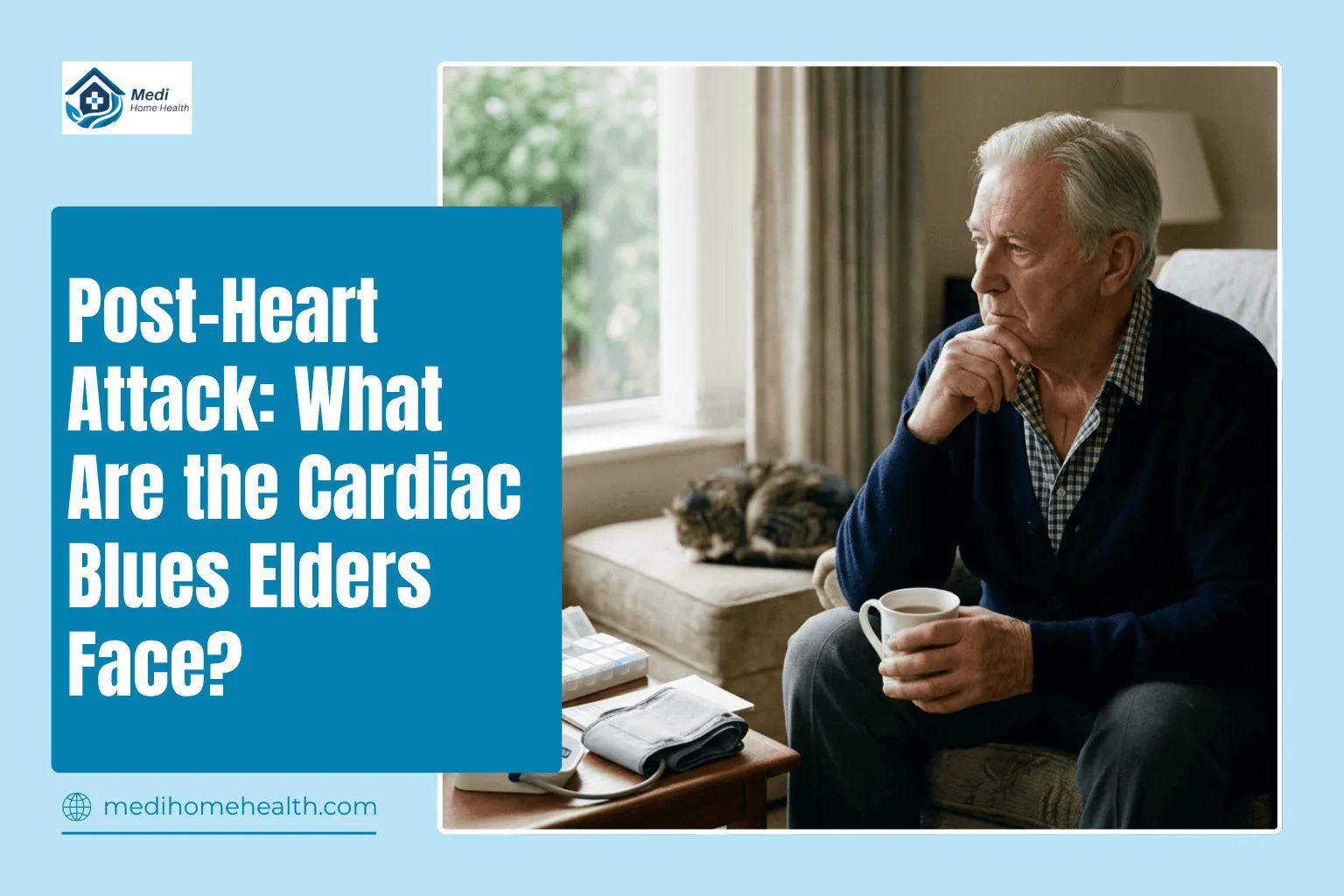
The hospital paperwork is complete, the machines are turned off, and you are back in your own home. Yet, when you sit at the kitchen table, the quiet can feel heavy and uncomfortable. Doctors have handled the urgent medical care, but now you are left with THE basic question: “what comes next?”
Dealing with the after effects of a heart attack is not only about the body healing. It is also about moving from a sudden medical crisis into a steady, managed way of living. The emotional pressure often shows up once the emergency feeling fades and normal days return. This is not only about staying alive; it is about rebuilding trust in your body and daily life. Knowing what to do after a heart attack needs more than basic instructions. It requires a clear plan that connects hospital treatment with everyday recovery at home.
Understanding Physical Changes After a Heart Attack
Recovery does not follow a straight or simple path. In the first few weeks, the body is actively working to repair itself. It is important to tell the difference between normal healing signs and warning signals that need attention.
Dealing with Extreme Tiredness
A common after effect of a heart attack is deep fatigue that feels very different from normal tiredness. It is not just feeling sleepy; it is a full-body exhaustion. At this stage, the heart muscle may be going through a “remodeling” process, where it slowly changes shape as it heals from damage. This process uses a lot of the body’s energy.
Many people feel upset when simple tasks become exhausting and require rest afterward. This “low energy” feeling is actually a sign that the body is focusing on internal repair work. Accepting this tiredness is an important part of recovering from a heart attack.
Knowing When Medical Help Is Needed
It is common for anxiety to make small aches or sensations feel alarming. Still, it is important to know the difference between normal recovery signs and after heart attack symptoms that need medical attention. Usual healing may include mild pain around treatment areas or general tiredness. However, signs such as sudden cold sweating, heavy fatigue that does not improve with rest, or shortness of breath while resting should not be ignored. Having clear guidance and medical support helps reduce fear and confusion during recovery.
Emotional Stress and Post-Heart Event Anxiety
One part of recovery that is often overlooked is emotional strain, sometimes called the “Cardiac Blues.” Life after a heart attack is not only physical; it also affects emotions deeply. Many people feel restless, easily upset, or afraid of sleeping due to worry about another event.
From a medical point of view, this response is linked to trauma and fear of recurrence. However, emotional health is closely tied to heart health. Ongoing stress releases hormones like cortisol and adrenaline, which can put extra pressure on a healing heart and slow recovery. Recognizing these after effects of heart attack is not weakness—it is part of healing. Having professional support at home can reduce anxiety and give both patients and families a sense of safety and calm.
Practical First Steps After a Heart Attack in the Early Weeks
The first month after discharge is very important for long-term recovery. Understanding what to do after a heart attack means turning medical instructions into simple daily habits that can be followed consistently.
Managing Multiple Medications Safely
After leaving the hospital, most patients are given several medications to take regularly. This is not just routine care; it requires strict attention to timing and dosage. During heart attack recovery, taking medicine correctly is essential. Nurses often highlight the importance of keeping blood-thinning medications on a fixed schedule to maintain proper levels in the body and reduce the risk of clotting. Setting up a simple and reliable system for medication management is one of the safest ways to support recovery at home.
Finding the Right Speed for Daily Activity
Trying to do too much too soon can slow recovery in the first week. You may feel ready to walk far, but even a short walk to the front door can be enough progress for that stage. A nurse helps make sure these small steps are done safely. We check how your heart responds to activity so you stay active enough to avoid weakness, but not so active that it puts stress on healing tissue. The focus is steady progress, not pushing beyond safe limits.
Going Back to Work and Busy Routines
For many working professionals, the most difficult part of recovery is stepping away from work. There is often worry about missed tasks, ongoing projects, or business responsibilities. But the reality is simple: recovery must come before deadlines.
Returning to work after heart attack and stents should be done in small steps. Many people experience mental tiredness, and even simple tasks can feel harder than usual during this time. Starting with short work hours or working from home can help you understand how your body reacts to daily stress. This gradual approach makes it easier to rebuild stamina without overwhelming yourself. A safe return to work after heart attack is slow, planned, and focused on protecting long-term health above everything else.
Why Medical Support at Home Matters
Family members often want to help during recovery, but they should not carry medical responsibility alone. When loved ones have to track vital signs, manage medications, and watch for warning signs, it can create stress for everyone involved.
This is where professional home nursing support becomes important. With care after heart attack provided by MediHomeHealth, your family can focus on emotional support while a Registered Nurse handles medical needs. We coordinate with your cardiologist, monitor health changes, and adjust care when needed to avoid complications. This type of support brings hospital-level safety into the home while allowing recovery to happen in a calm and private setting.
Final Thoughts: Building a Stronger Recovery Path
Healing after a heart event is not just about effort; it is about having the right structure in place. The after effects of heart attack become easier to manage when you have clear guidance and consistent support. This experience is only one part of your life, and with proper care, recovery can lead to a more stable future.
If you want a guided and medically supervised recovery plan, contact MediHomeHealth. We can help create a care approach that supports both your health and your daily life. Call us at +1 (253) 565-2365 to learn more.
More Blogs You May Like
How to Communicate with Older Adults Having Hearing Problems
We often speak with others without giving it much thought, so meeting someone who finds everyday speech harder...
Read More
Senior Care: Benefits of In-Home Aging for Seniors
Growing older at home, often called aging in place, has become a preferred option for many older adults....
Read More
Building a Reliable Caregiver Support System
Providing care for someone else can be physically and emotionally exhausting, and it is easy to feel disconnected...
Read More