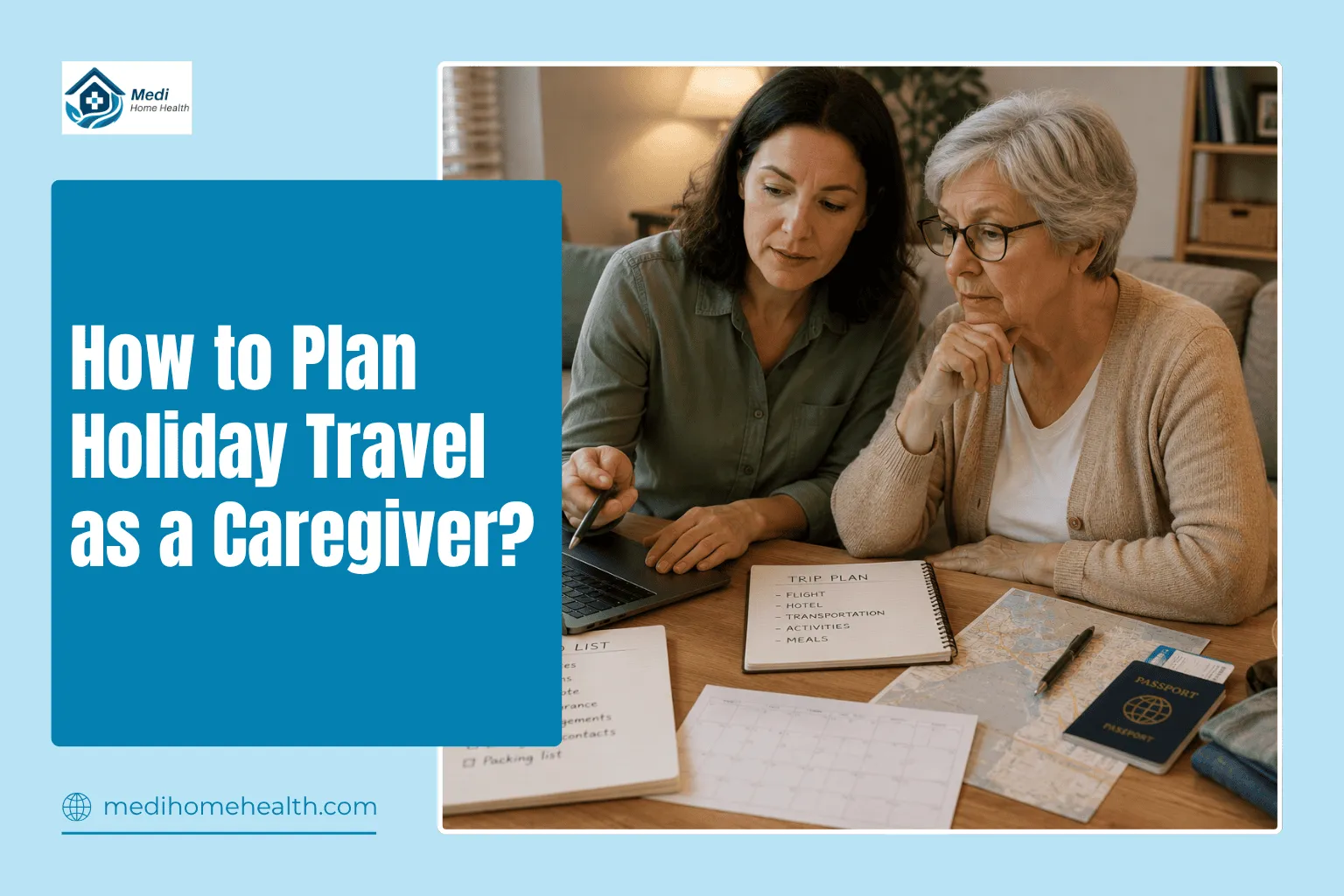
Everyone deserves the chance to enjoy a holiday. If your loved one lives with a disability, dementia, or another long-term condition, extra planning may be needed before travelling. Things like medications, mobility support, and accessible accommodation should all be carefully considered.
The good news is that with thoughtful preparation and the right details in place, holidays can still be enjoyable and relaxing for both of you. In this guide, we’ll go over some helpful things to think about before arranging a trip so everything feels easier and less stressful.
Decide What Kind of Trip Suits You Best
Before making bookings, it helps to talk about the kind of holiday you and your loved one would enjoy most. Different trips may require different levels of support, equipment, or planning, so it is helpful to think things through in advance.
- Would you prefer to stay within the United States or travel overseas?
- Will you be driving, taking a cruise, flying, or using another form of transport?
- Are you looking for a quiet and restful getaway or something more active and busy?
Travel Ideas to Think About
Some holiday types that families often consider include:
- Adventure trips, such as nature tours or ski vacations
- All-inclusive resorts
- Beach getaways
- Family-friendly holidays
- Short city stays
- Cruise vacations
- Theme park trips
- Romantic escapes
- High-end resort vacations
- Care-supported trips for people with specific health needs
Checking Accessibility and Care Needs
One of the biggest parts of travel planning is making sure the trip is accessible for your loved one. Accessibility can include many things, such as transport, bathrooms, activities, hotels, and public spaces. Think carefully about the support your family member may need while away from home.
You may want to ask questions such as:
- Can they manage stairs comfortably?
- Do they use a wheelchair?
- Do they have limited eyesight?
- Are they deaf or hard of hearing?
- Do they need walking aids or support frames?
- Will they require bathroom equipment or lifting assistance?
- Do they live with a neurological condition?
- Are they living with memory loss or dementia?
There may be many details to consider, but preparing ahead of time can help avoid unnecessary problems during the trip.
Before choosing accommodation, it is also important to research the destination itself. Some places are much easier to access than others. Looking into this early allows you to arrange needed equipment in advance or bring the right items with you. In many locations, wheelchairs and mobility equipment can also be rented before arrival.
To learn more about accessible travel and accommodation options in the United States, you can review resources provided through the Americans with Disabilities Act (ADA) and accessible travel organizations.
Health and Medication Considerations During Travel
Air travel can feel stressful for some people, especially those with medical or mobility needs. Many airlines provide added assistance, priority boarding, or seating with extra legroom if arranged in advance.
If your loved one uses oxygen, contact the airline before travelling. In the United States, the Federal Aviation Administration (FAA) has rules regarding portable oxygen devices on flights. Travelers are usually allowed to use FAA-approved portable oxygen concentrators, but medical paperwork may be required before departure.
Prescription medications are generally allowed through airport security, though certain liquid medications or medical supplies may require additional screening. It is helpful to keep medicines in original packaging and carry copies of prescriptions or doctor’s notes when travelling. Insulin, medical liquids, and supplies are often permitted in larger quantities if medically necessary and properly declared.
More information can be found through the Transportation Security Administration (TSA) and Federal Aviation Administration travel guidelines.
Make Sure You Have Proper Travel Insurance
Travel insurance is an important part of planning any trip, especially when travelling with someone who has medical needs. Having suitable coverage can help protect you if your loved one becomes unwell, needs emergency treatment, or experiences unexpected travel issues during the trip.
The right policy can also help cover medical costs, trip delays, cancellations, or emergency assistance, giving families greater peace of mind while away from home.
Travel Insurance and Existing Health Conditions
Many standard vacation insurance plans do not automatically include coverage for people with existing medical conditions. However, there are insurance providers that offer policies specifically designed for travelers with ongoing health needs. Before applying, you may need written approval from your doctor confirming that travel is safe. In many cases, insurers will not provide coverage if travel goes against medical advice. Insurance companies may also request a health questionnaire or medical review before approving a policy. It is very important to declare any existing conditions honestly, as missing information could result in future claims being denied.
If you are traveling within the United States or internationally, it is also worth checking what medical services your current health insurance policy covers while away from home. Some plans may offer limited out-of-state or overseas coverage, while others may require separate travel medical insurance. People who require treatments such as oxygen therapy, dialysis, or regular monitoring should make arrangements before departure to avoid problems during the trip.
You can find more travel health information through the Centers for Disease Control and Prevention (CDC) and your health insurance provider.
Financial Help for Accessible Travel
If the cost of travel support feels difficult to manage, there may be charities, grants, or nonprofit organizations that can help families pay for part of the trip expenses.
Some organizations offer support for families caring for children or adults with disabilities, long-term illnesses, or additional care needs. Depending on your circumstances, you may qualify for financial assistance that helps cover accommodation, equipment rental, transportation, or respite support during the trip.
There are also travel assistance organizations that provide useful information about accessible destinations, adapted accommodation, and travel planning resources for people with disabilities and caregivers.
Bringing a Caregiver Along on Your Trip
Looking after a loved one every day can be physically and emotionally tiring. Taking breaks and allowing yourself time to rest is important for your own wellbeing and helps you continue providing good support over time.
Some families choose to bring a professional caregiver along during their vacation. This can make travel much easier and gives you the chance to relax while knowing your loved one is still receiving proper care and attention.
In some situations, the caregiver may support your loved one during daytime activities while you spend time resting or enjoying parts of the trip yourself. Care support during travel can often be arranged through home care agencies or specialized travel providers that work with individuals who have medical or mobility needs.
Helpful Ways to Prepare for the Trip
There are many resources available to help families organize travel plans more smoothly when additional care support is needed.
Some travel agencies that focus on accessible vacations can arrange mobility equipment rentals, adapted transportation, and accommodation suited for different health conditions or disabilities. These services may also help you choose destinations that better fit your loved one’s specific needs.
You may want to explore organizations and travel services that specialize in:
- Accessible vacations
- Disability-friendly travel
- Mobility support while traveling
- Care-supported holiday planning
Holiday Care with MediHomeHealth
At MediHomeHealth, we can also help families arrange trusted care support at home or discuss options for care assistance during travel.
You may also find our other care and family support articles helpful.
More Blogs You May Like

How Seniors Can Live Well with Chronic Pain or Illness
Chronic pain impacts a large number of older adults and often comes from arthritis, nerve issues, past injuries,...
Read More
How Senior Loved Ones Can Cope with Stress
Getting older can bring new concerns involving health, finances, and major life changes, which may cause stress to...
Read More
5 Thoughtful Gifts for Seniors Who Have Lost Interest in Gifts
When you ask an older parent what they would like for a birthday or holiday, you often hear...
Read More