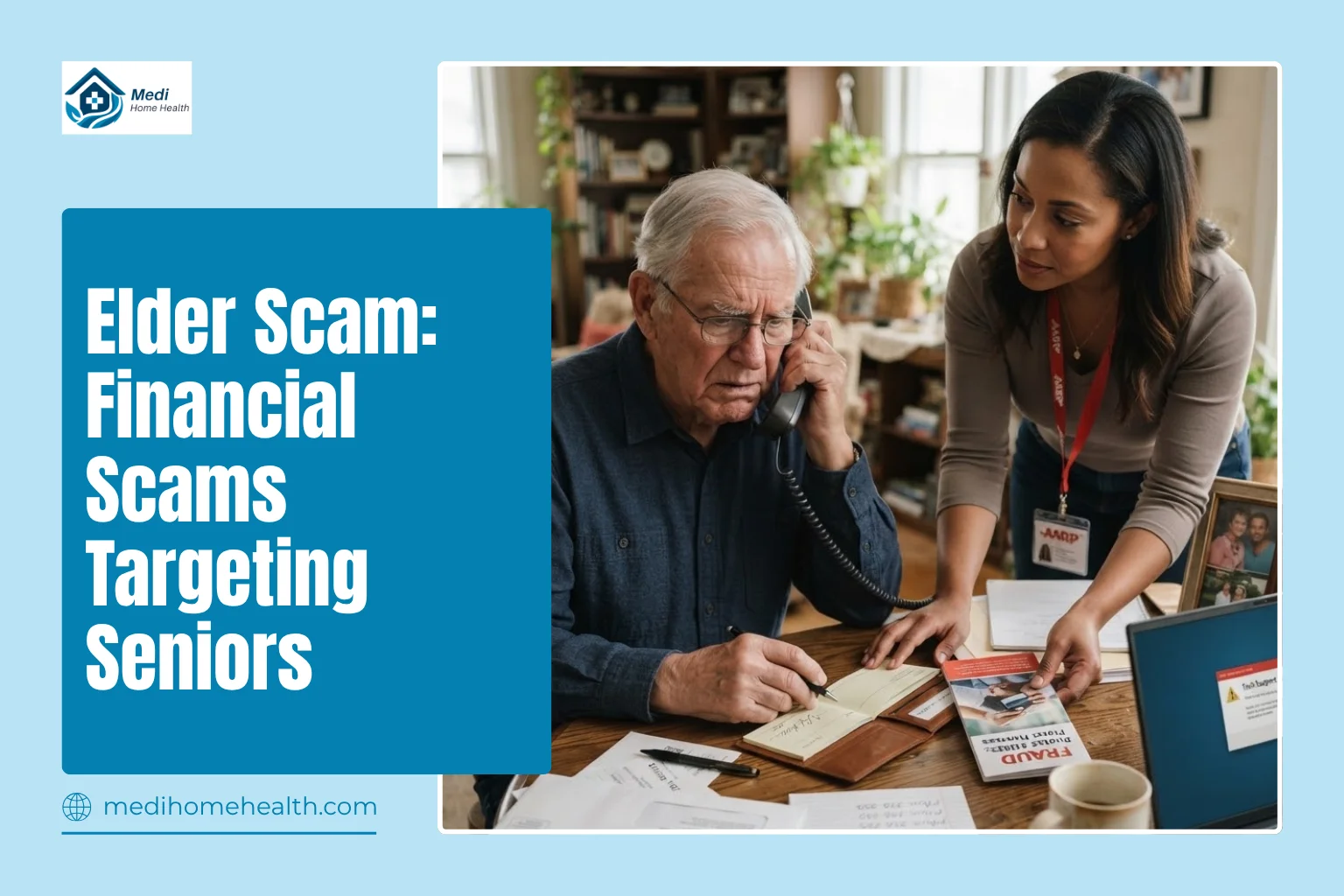
Each year, millions of older adults become targets of different financial scams. Many of these incidents can be avoided when seniors understand the warning signs. Below are some common scams older adults should recognize and steps to take when something seems suspicious.
1. False Claims About Unpaid Utility Charges
Some fraudsters contact seniors while pretending to represent a local gas, electric, or water company and insist that an unpaid bill must be settled immediately. They may request a credit card number, check, or money order as payment. Encourage your aging loved one to contact the utility provider directly and check the status of the account before sending any money.
Along with the risk of financial fraud, older adults may deal with many other difficulties as they grow older. Maintaining a good quality of life is not always easy, but professional caregivers can provide valuable support. Families can rely on senior home care professionals to help their loved ones follow healthy habits that support a longer and healthier life.
2. Scams Involving a Relative in Trouble
Many seniors get phone calls or emails stating that a family member urgently needs financial help. For example, a scammer may pretend to be a grandchild’s friend and ask for money to cover an unexpected problem. Before taking any action, your loved one should contact other family members and confirm whether the situation is real.
3. Requests from Fraudulent Charities
Older adults who have extra money available are often happy to support a good cause. Unfortunately, many people donate without checking whether the organization is legitimate. Your loved one should avoid giving bank or other financial details to anyone requesting donations by phone, even when the caller claims to represent a well-known group such as UNICEF.
From staying alert to scams to handling simple household chores, seniors may need assistance with many everyday responsibilities. Some older adults only need occasional support, while family caregivers may need time to run errands, rest, work, or take a trip. Loudoun County respite care professionals at MediHomeHealth can provide help whenever it is needed, allowing families to feel confident that their loved ones are safe and comfortable while they attend to other important matters.
4. The Advance-Fee Prize Scam
A pigeon drop scam involves persuading someone to provide money by promising a much larger reward later. A fraudster may call a senior and say they have won a cash prize but must first pay a fee before the money can be released. If your loved one receives this type of call, the safest response is to end the conversation immediately.
5. Fraud Posing as Healthcare Services
Many scammers pretend to be Medicare representatives and request details such as Social Security numbers, dates of birth, and home addresses. They can then use this information for identity theft or other fraudulent activities. Remind your loved one to confirm the identity of anyone claiming to represent Medicare before sharing personal or financial details.
Older adults can experience many challenges related to aging. While some families manage caregiving responsibilities themselves, there may eventually be a need for support from a trusted Loudoun County, VA home care provider. Family caregivers may need time away to manage other obligations, while some seniors require full-time assistance that relatives cannot provide on their own. MediHomeHealth is ready to help. To hire a dedicated caregiver, call MediHomeHealth at +1 (253) 565-2365 today.
More Blogs You May Like
Ethical and Legal Considerations in Senior Home Care
Navigating home-based senior care is not only about comfort and service quality, but also about knowing the legal...
Read More
Care From Afar: How to Deal with Challenges of Long Distance Caregiving?
Looking after elderly loved one from a distance can bring a different set of difficulties. Many families end...
Read More
How Wearable Technology Supports Senior Health and Independence
As technology continues to improve, wearable devices are becoming increasingly useful for supporting healthier lifestyles. For older adults,...
Read More