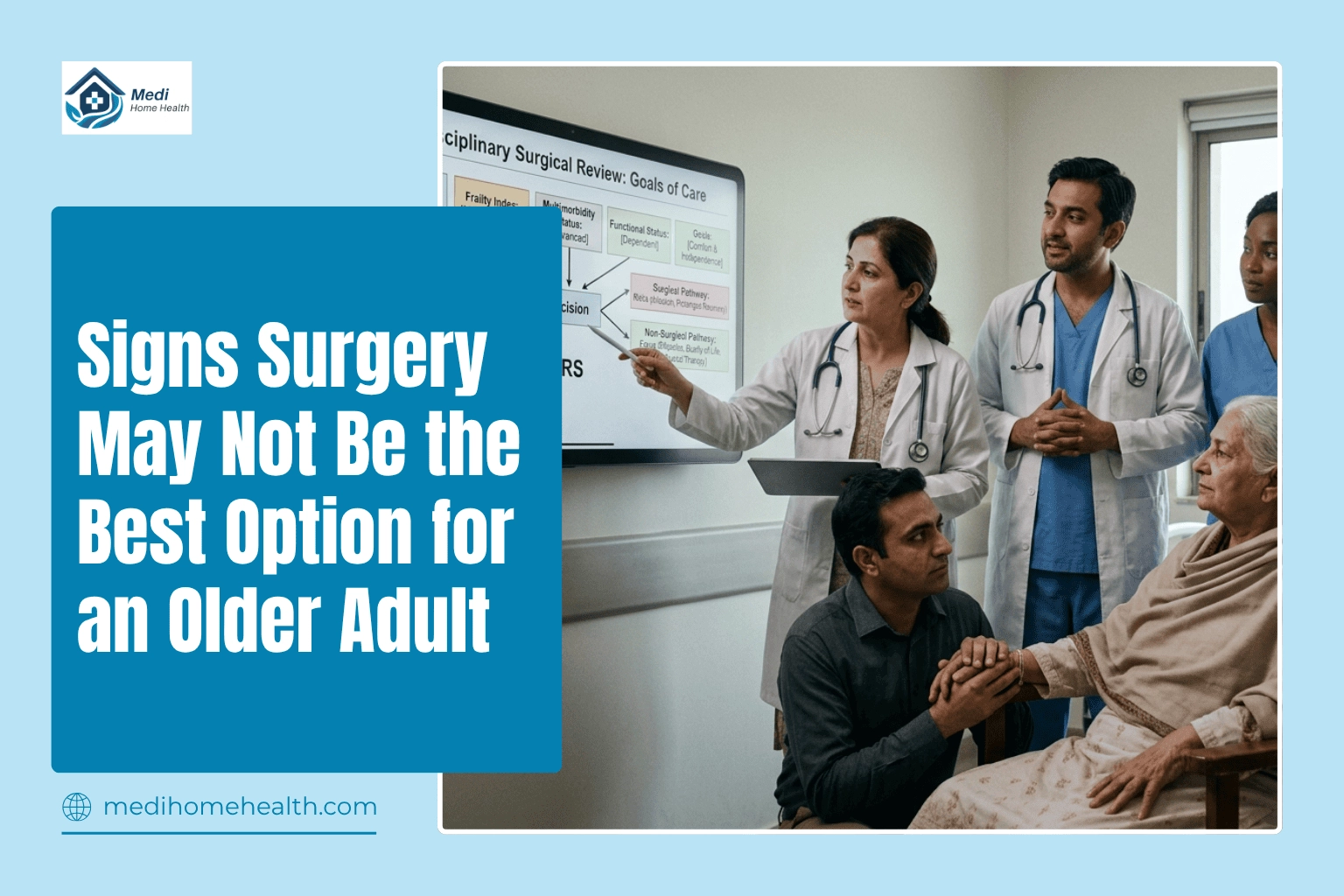
Each year, a large number of older adults undergo surgical procedures. While many operations are successful, surgery isn’t always the safest choice for every senior. Age, overall health, and recovery ability all play a role in the decision. Before moving forward with an operation, families should carefully weigh the possible benefits against the risks. Below are several signs that surgery may not be the right option for your aging loved one.
1. Concerns about the Hospital or Surgical Team
The quality of the hospital and the experience of the medical team can have a major effect on treatment and recovery. A trusted facility with skilled professionals usually helps patients and families feel more confident. If something about the hospital or surgical staff causes concern, it may be worth delaying the procedure until you’ve found a better option.
Take time to research the surgeon and medical center before making a final decision. Review credentials, read patient feedback, and ask about the team’s experience with similar procedures. Independent healthcare organizations and public reporting websites often provide information about hospital performance, complication rates, and patient outcomes. Looking into these details beforehand can help your family make a more informed choice.
2. Doctors Don’t Agree on the Need for Surgery
When a major operation is recommended, getting another medical opinion is often a wise step. Most experienced physicians understand the value of a second opinion and encourage patients to confirm the diagnosis or treatment plan. If another specialist recommends a different approach, it’s important to understand why the opinions differ before agreeing to surgery.
Don’t hesitate to ask questions about the condition, available treatments, expected results, and possible complications. Learning more about the procedure allows your family to make decisions with greater confidence. If experts disagree about whether surgery is necessary, it may be a sign that additional evaluation is needed before moving ahead.
After surgery, many seniors require extra help while recovering at home. Whether your loved one is healing from a stroke, coping with Alzheimer’s disease, or recovering from another serious condition, daily tasks may become difficult. Families seeking reliable Loudoun County, VA live-in care can count on MediHomeHealth for around-the-clock support that helps older adults remain safe and comfortable in their own homes.
3. Your Loved One’s Health Has Recently Changed
Many surgeries are scheduled weeks or even months in advance. During that time, an older adult’s health can change significantly. A new illness, infection, or worsening medical condition may increase surgical risks and make postponing the procedure the safer choice. For example, developing a fever, breathing problems, or another acute illness shortly before surgery often requires additional evaluation.
Always inform the surgeon about any recent changes in your loved one’s health, even if they seem minor. Complete and accurate information helps the medical team determine whether it’s still safe to proceed. Leaving out important details could increase the chances of complications during or after the operation.
Professional caregivers can also play an important role by monitoring seniors for new symptoms and reporting health changes promptly. Many age-related challenges become easier to manage with dependable in-home care. MediHomeHealth provides personalized support that helps older adults remain safe, healthy, and independent while aging in place.
4. Important Questions Haven’t Been Answered
Before agreeing to surgery, you and your loved one should fully understand every part of the procedure. The surgeon and healthcare team should clearly explain the operation, expected recovery, possible risks, anesthesia, and available alternatives. If major questions remain unanswered, delaying the procedure until you receive complete information is often the better decision.
Speaking up doesn’t make you difficult. It shows you’re taking an active role in your loved one’s care. Discuss the procedure with the primary physician, specialists, nurses, and surgeon until you feel comfortable with the treatment plan. Understanding how to prepare before surgery and what type of care will be needed afterward can greatly improve the chances of a smooth recovery.
Many seniors need extra assistance after returning home from surgery. If you’re searching for dependable at-home care in Loudoun County and Virginia, MediHomeHealth offers compassionate caregivers who help older adults recover safely while maintaining the highest possible quality of life. To learn more about our professional in-home care services, call +1 (253) 565-2365 and speak with one of our experienced Care Managers.
More Blogs You May Like

Protecting Seniors from Fraud and Financial Exploitation
Financial abuse is an increasing problem for older adults, often causing serious consequences. As people age, they can...
Read More
How to Become an In-Home Care Aide – Training and Diplomas
Choosing an in-home caregiver for someone you love is an important step. It is important to find a...
Read More
How to Communicate with Older Adults Having Hearing Problems
We often speak with others without giving it much thought, so meeting someone who finds everyday speech harder...
Read More